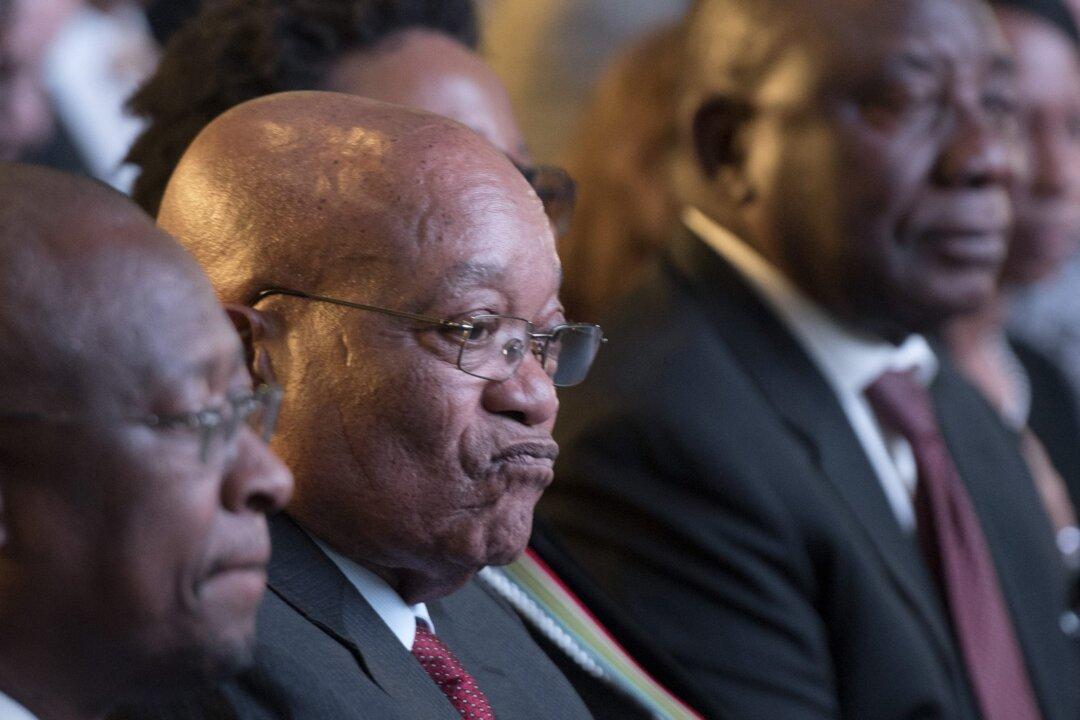
Former Mandela aide blames failures on the party and not apartheid for crime and millions of South Africans living in shacks and begging in the streets.
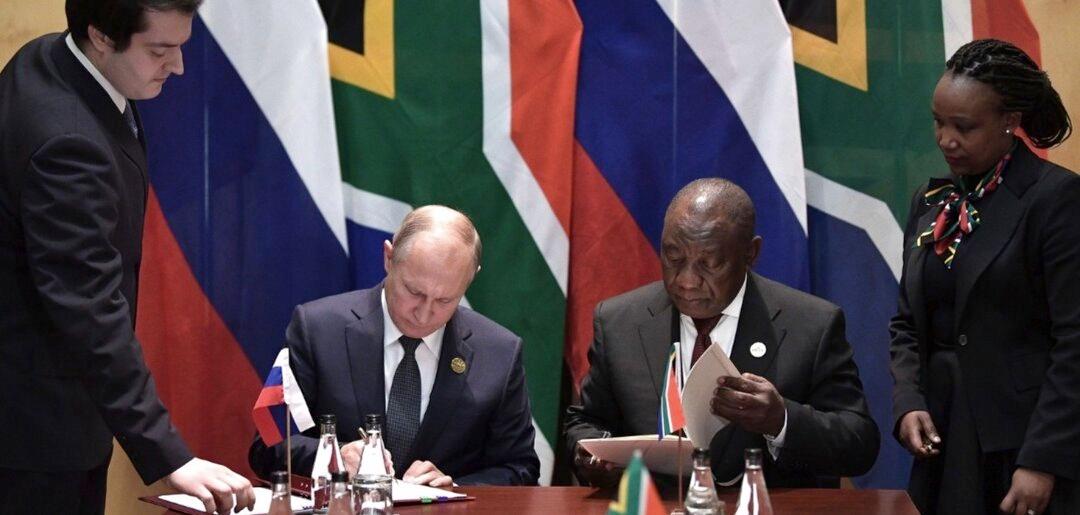
It’s sometimes democracy as we know it—albeit with twists and turns—but there is certainly a new appetite for political pluralism developing in Africa.

As student unrest sweeps South Africa, the debate and discourse laid out in youthful pronouncements and Twitter feeds is increasingly racist.

These are dark days for southern Africa.

In some ways, South Africa’s president, Jacob Zuma, must be exceptionally happy about the #Rhodesmustfall campaign. After all, it takes the heat off him and puts it on a dead white man—or rather, a block of stone in the likeness of a dead white man.

I spent most of August 2015 in South Africa, Zimbabwe, and Zambia—a depressing and mournful tour indeed.

This week, South African President Jacob Zuma will sit down with its chief justice for an unprecedented, potentially watershed discussion.