Neutron stars – the dead stellar remnants of old, burned-out stars – are some of the most extreme objects in the universe.

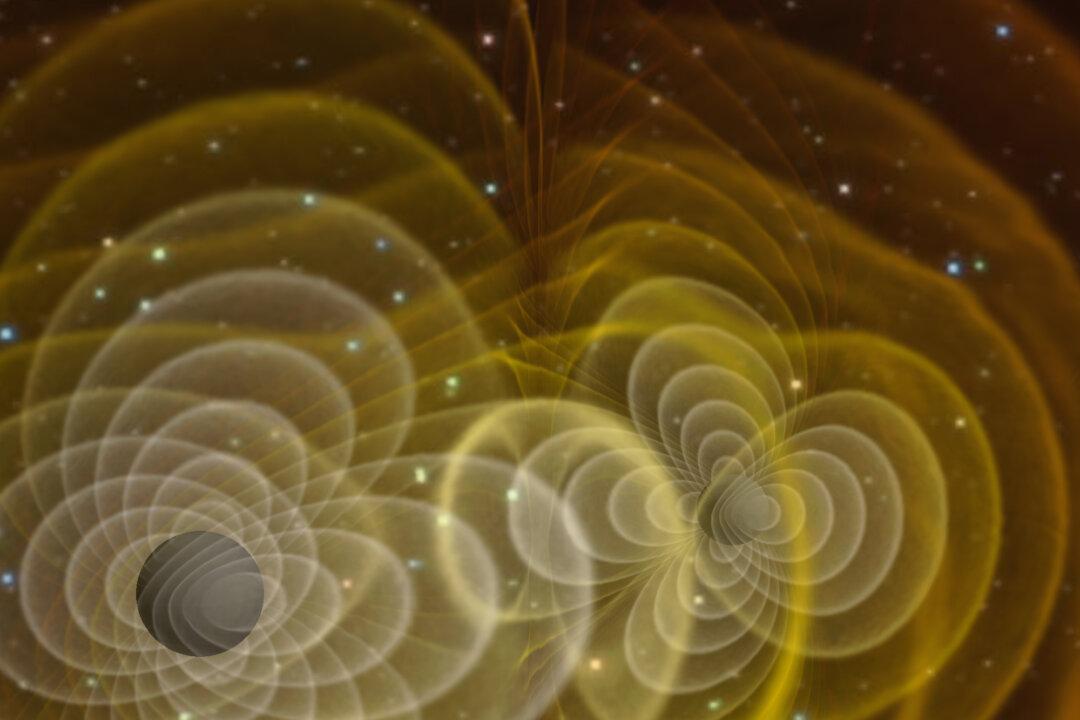
Gravitational waves have long been a fascination among physicists. First posited by Albert Einstein in 1915, gravitational waves are ripples in the time-space continuum that exist in theory, but have been never directly observed in practice, the only part of general relativity that hasn’t been experimentally verified.
The scientists behind the BICEP2 (Background Imaging of Cosmic Extragalactic Polarization) telescope, last year made an extraordinary claim that they had detected gravitational waves, which are ripples in space-time.
stronomy is entering an exciting new era of exploration.