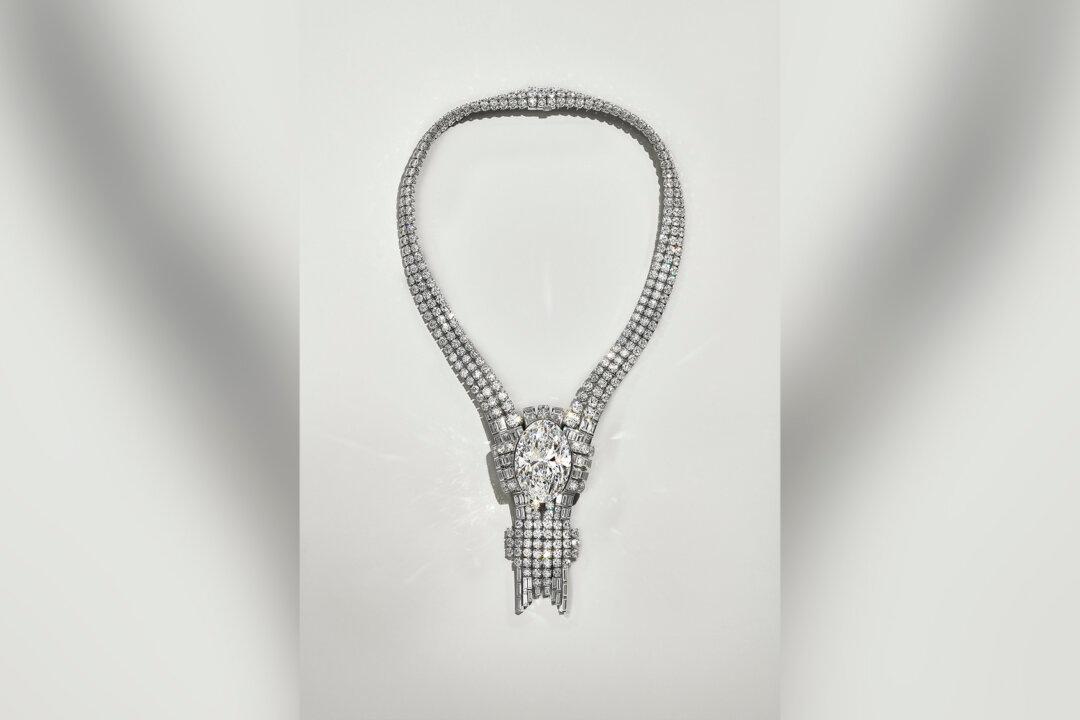
The 1109-carat beast was discovered in 2015 by Lucara Diamond Corporation in Botswana, according to Sotheby’s.

Scientists have designed a new type of carbon, called Q-carbon, that’s brighter and harder than diamonds, according to reports.

“Diamond formation in the deep Earth—the very deep Earth—may be a more common process than we thought,” says Johns Hopkins University geochemist Dimitri A. Sverjensky.

A scientist in Germany uses peanut butter to create artificial diamonds that help replicate the Earth’s mantle.
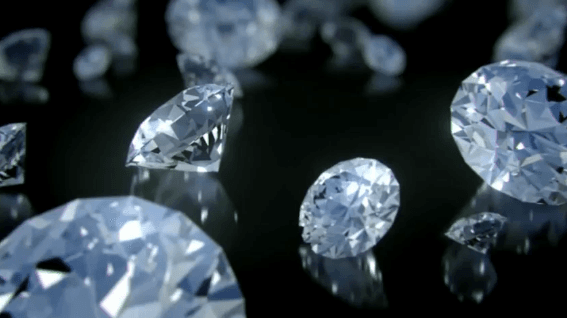
From the outside, Number 2 Hoveniersstraat Street in Antwerp is a nondescript office block. Only the clusters of businessmen speaking in Gujarati on their mobile phones or with each other, give any indication of the hive of activity inside.

Harold Leighton shares about his 1969 hair sensation, “Hair & Jewel”—an ornate do with $1 million in Graff jewels. A 2013 re-creation is worth half billion

Diamonds are a girls’s best friend, and American Hollywood stars tend to have very big best friends.