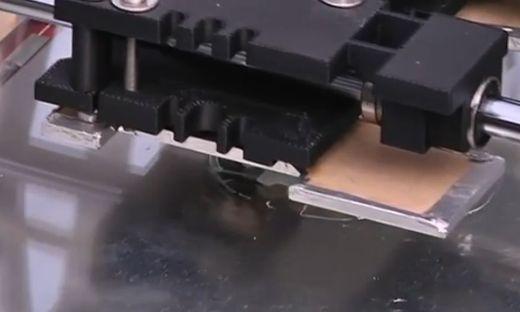
Biologists at Wake Forest University have successfully 3D printed living tissue structures that can function as bone and muscle replacements for humans.

There’s more that can be done with 3-D printed materials to make them more flexible and more useful: structures that can transform in a pre-programmed way in response to a stimulus. Recently given the popular science name of “4-D printing”, perhaps a better way to think about it is that the object transforms over time.

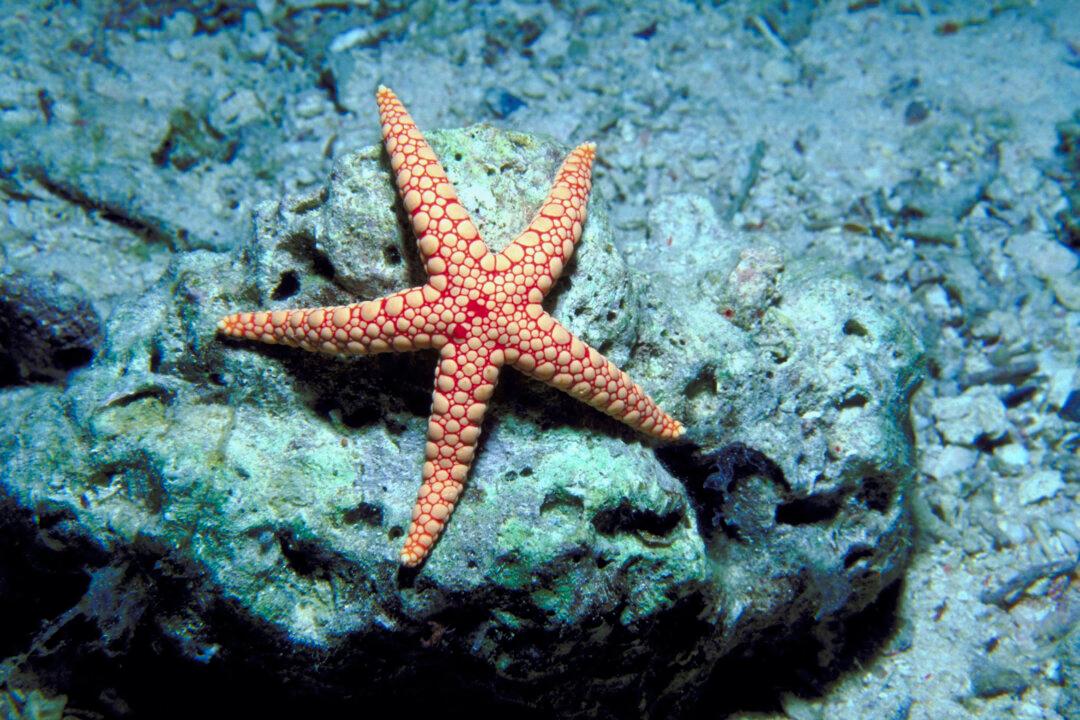
Engineers have figured out how to make rounded crystals with no facets, a design that mimics the hard-to-duplicate texture of starfish shells.
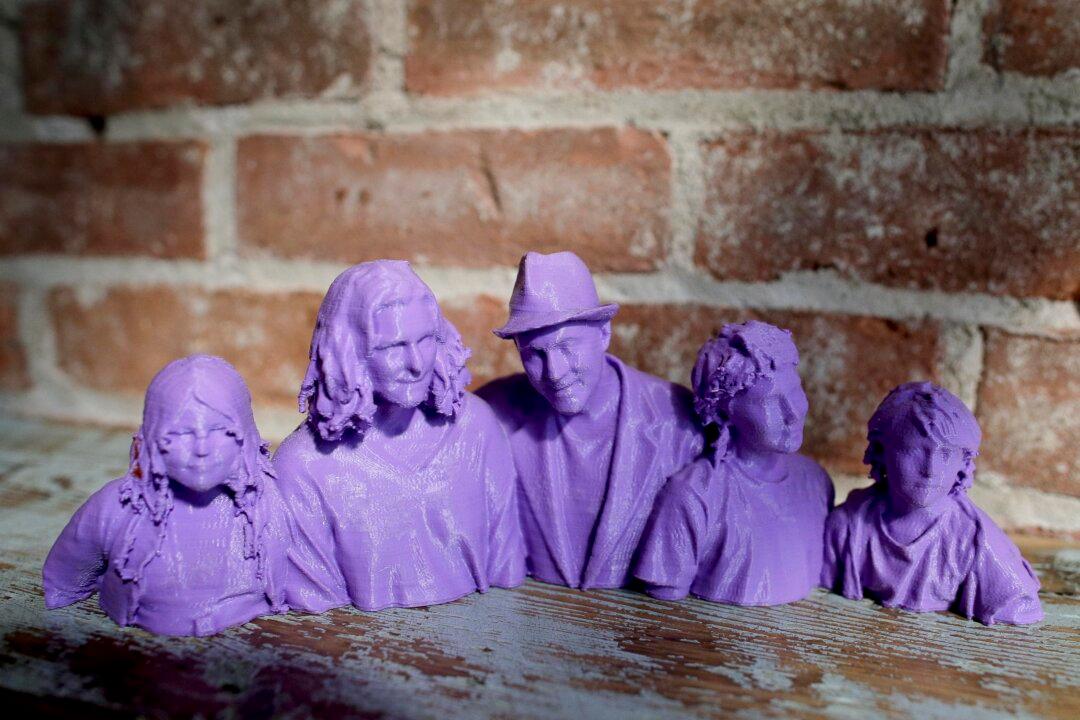
Walk into Eddie DaRoza’s office and you'll find two of him there: the actual 32-year-old video producer, and a 5-inch statuette of him.
Apart from very high level machines, costing several million dollars each, 3-D printing tends to produce items that are less ‘resistant’ than classic moulded parts. Layer by layer build-up leads to a structural weakness in the 3rd (vertical) dimension This material drawback affects state-of-the-art processes such as selective laser sintering using polyetherketoneketone (PTKK). The surface quality is rougher.

UK defense and aerospace company BAE Systems is looking at developing military aircraft that seem to fly right out of a science-fiction movie.

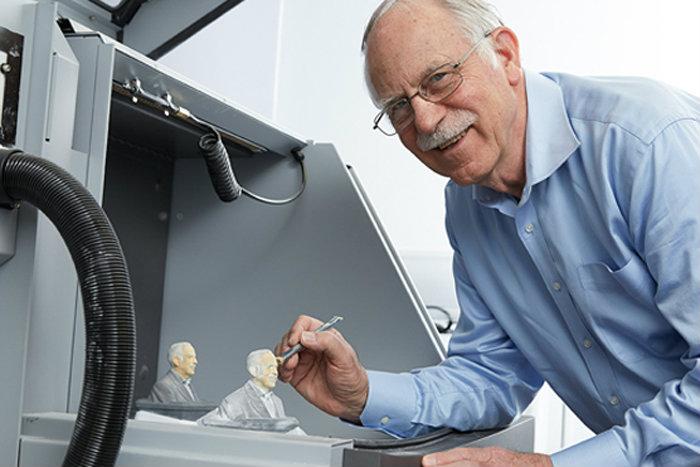
Although Charles “Chuck” Hull, the inventor of 3-D printing, would not call himself a futurist. His invention started as a way to build prototypes, and he sees that as one of its most useful applications to this day. He focuses on the present.
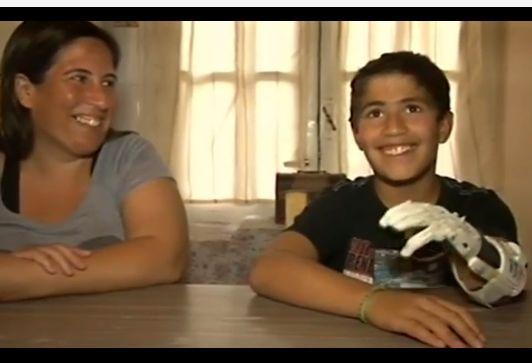
3-D printing gave a little boy in Buenos Aires a prosthetic hand, a designing challenge for 3-D specialists.
A look at our world through local headlines on March 29, 2014: “Barcelona gets Europe’s first ‘3D printer café,’” “Beer glass basics,” “Africa Builds the World’s Largest Radio Telescope,” and more.