The most complicated crystal structure ever produced in a computer simulation is a lesson in how complexity can emerge from simple rules.

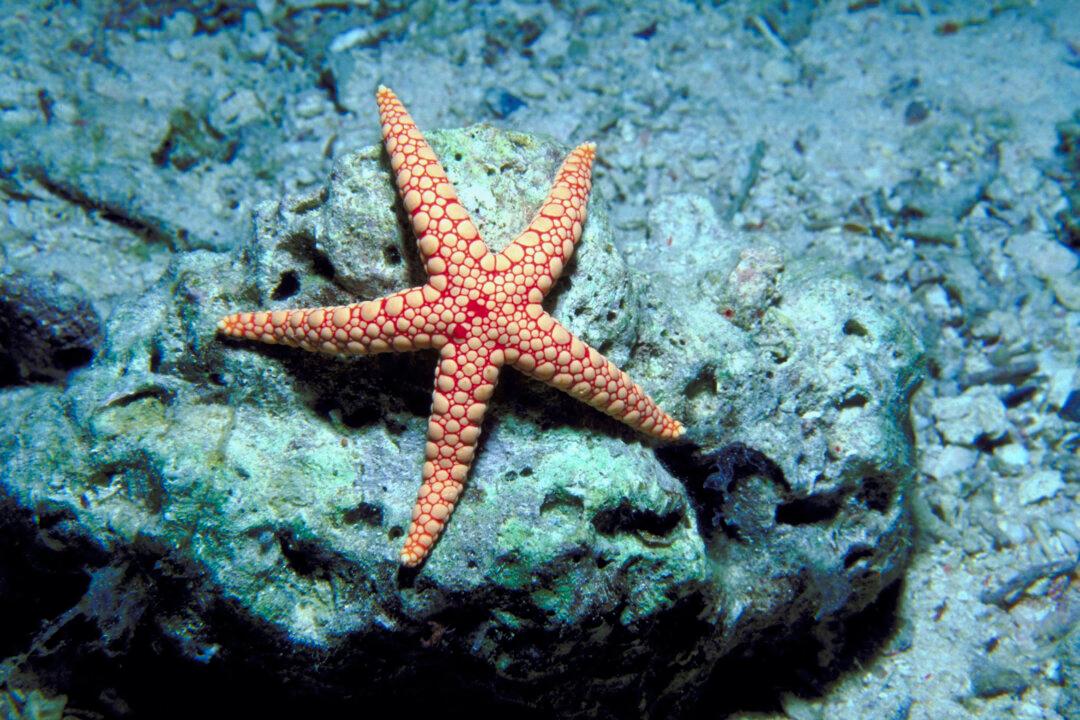
Engineers have figured out how to make rounded crystals with no facets, a design that mimics the hard-to-duplicate texture of starfish shells.
Despite below-freezing conditions, a type of salt on Mars may melt ice to form water, just like salts do on Earth’s slippery winter walkways and roads.

Engineers have created a device that detects terahertz frequencies by converting them into sound waves and then transmitting them.

Astronomers have for the first time discovered a rocky, Earth-sized exoplanet that might hold liquid water—a necessary ingredient for life as we know it.