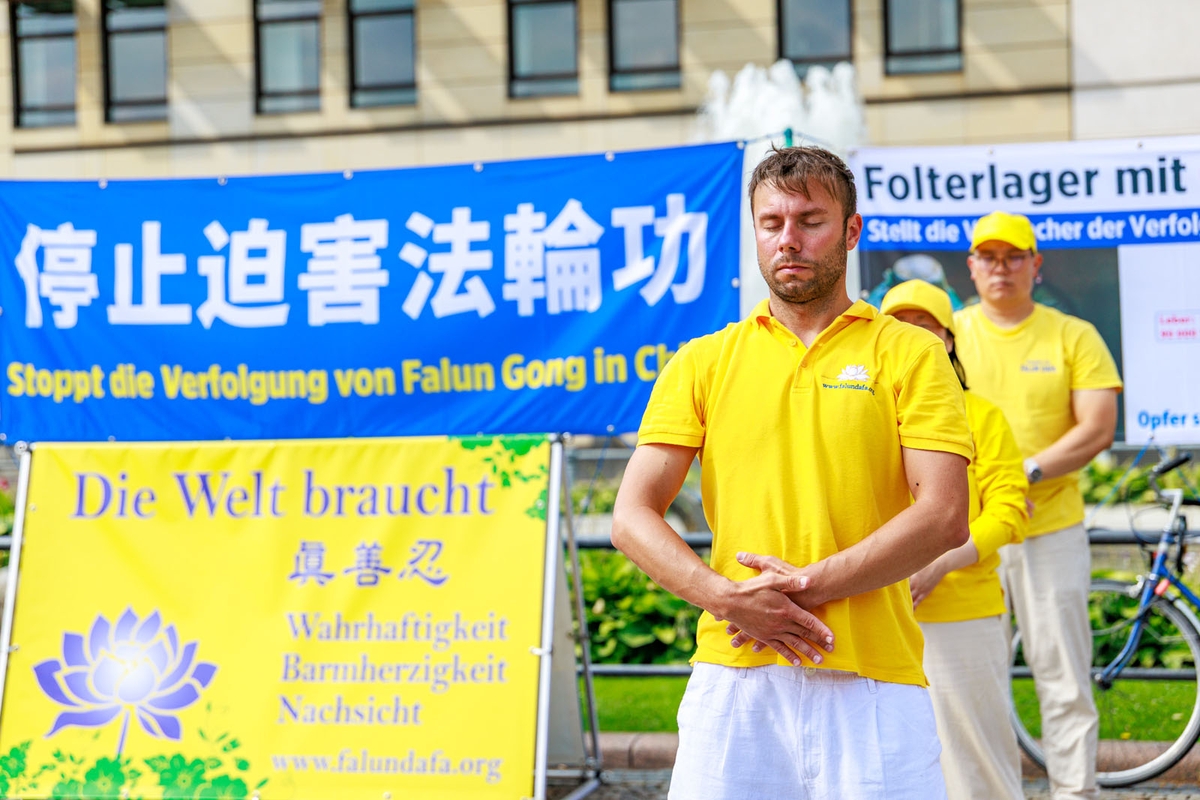

As Falun Gong practitioners in Germany held rallies in major cities this week to mark 27 years since the Chinese Communist Party’s (CCP) persecution of the spiritual practice, German lawmakers and local officials sent messages of support for their peaceful resistance, calling for more international attention to Beijing’s repression inside and beyond China.
Then-CCP leader Jiang Zemin, fearing that Falun Gong’s popularity threatened the regime’s power, began a brutal campaign on July 20, 1999, to eradicate the practice. Since then, untold numbers of practitioners have suffered arbitrary detention, forced labor, torture, and death as a result of forced organ harvesting.
Rocco Wilken, the mayor of Vlotho in North Rhine-Westphalia, began by noting the ease with which accounts of repression make headlines, but then quickly fade from the public’s collective memory.
“How often do we scroll past a news item that affects us for a brief moment—only for it to be forgotten a few seconds later?” he wrote in a statement provided to The Epoch Times.
He said images and reports of conflict, repression, and injustice can appear distant, or relevant only to others.


“But the danger lies precisely there,” Wilken wrote. “We become accustomed to the terrible things to which we must never become accustomed.”
A Life Behind the Numbers
He then told the story of a woman now living in Germany.
Zhao Meiling, 64, lives in Dortmund. Many people Zhao’s age should be enjoying retirement, the quiet years, and spending time with family, Wilken wrote.
But Zhao was targeted by the Chinese regime for practicing Falun Gong and endured 16 years of persecution in China. She was subjected to severe abuse more than 10 times before escaping to Germany in 2015.
During 1,103 days of detention that began in 2005 in the Shandong No. 2 Women’s Forced Labor Camp, Zhao was held for about a year in a damp, unheated toilet room with no sunlight, according to Minghui.org, a U.S.-based website that documents the persecution of Falun Gong.
Guards forced other detainees to abuse Zhao and repeatedly joined in themselves. They stretched her arms outward and tightened handcuffs around her wrists, then positioned her legs on uneven footing so she could neither stand upright nor squat. At other times, she was strapped to an iron pipe for prolonged periods, leaving her severely weakened. She was force-fed through a tube and suffered episodes of dangerously high blood pressure, according to Minghui.org.
“When we look back at her life, we do not see merely a number,” Wilken wrote. “We see years that were taken from her—years filled with fear, insecurity, and pain.”
But her dignity and faith could not be taken from her, he said.
“What moves me most is not only the suffering she endured,” Wilken wrote. “It is this question: How strong must a person be not to give up under such circumstances?”
Each reported death likewise represents a person who had a family, and hopes, and was deprived of a future that should have been theirs, he wrote.

‘Conspicuous Silence’
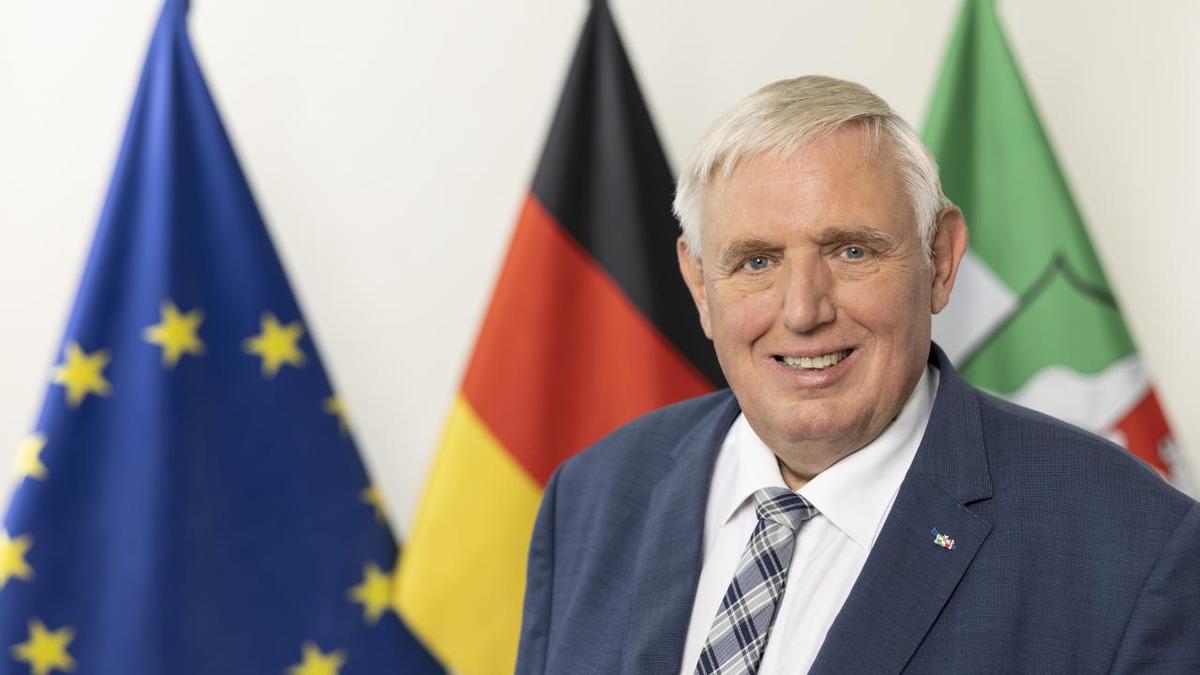
Karl-Josef Laumann, North Rhine-Westphalia’s minister for labor, health, and social affairs, directed his criticism at Germany’s news media.
He pointed to the “conspicuous silence” surrounding reports of deaths in Chinese prisons, torture, repression in daily life, state-directed defamation, and the institutions created by the CCP to carry out the campaign.
The absence of coverage was especially striking, he wrote, because German readers frequently encounter suggestions about what their country should learn from China while hearing little about the regime’s crimes against humanity.
July 20 should serve as both a warning and a reminder, Laumann wrote.
“Freedom of belief must never be taken for granted,” Laumann wrote, describing it as a defining feature and source of strength for a free society.
Accountability for Torture
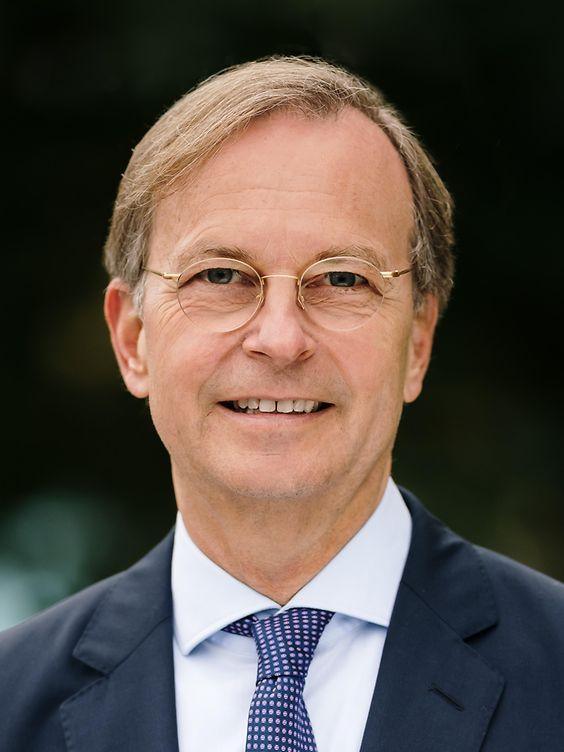
Thomas Rachel, a Bundestag member and the German government’s commissioner for freedom of religion or belief, stated that remembrance must be followed by accountability.
“Today marks 27 years of systematic persecution of Falun Gong in China—a reminder of ongoing human rights violations,” Rachel wrote.
“Despite international calls, the government persists in brutal repression. Transparency and accountability are urgently needed, especially regarding allegations of torture.”
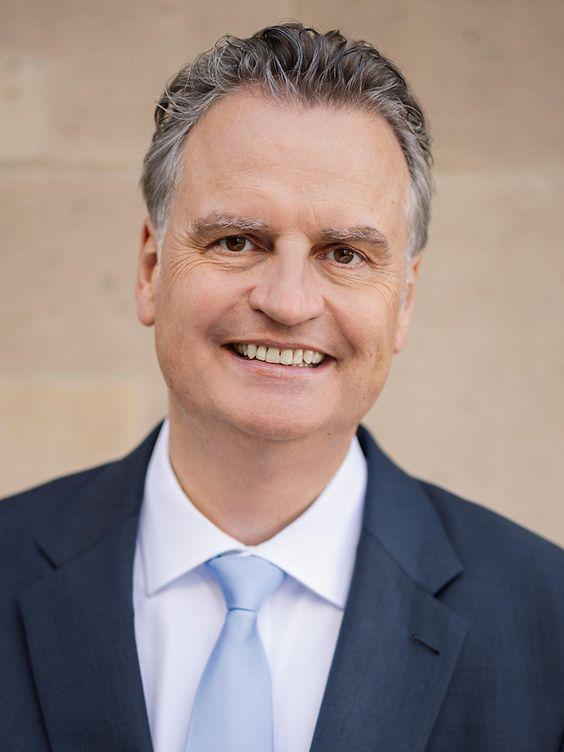
The need to keep individual lives at the center also resonated in the statement from Günter Krings, deputy chairman of the CDU/CSU parliamentary group.
Terms such as “human rights violations” can become abstract, Krings wrote, obscuring the very people whose lives they describe.
Behind each report is someone with a family and hopes for the future, with a desire to live in freedom and with dignity.
No one should remain indifferent when people are intimidated, persecuted, or deprived of liberty because of their faith, he wrote.
Repression Beyond China
Norbert Altenkamp, the CDU/CSU parliamentary group’s spokesman on human rights and humanitarian assistance, said the persecution of Falun Gong continues with Beijing’s expanding efforts to suppress dissent by persons outside of China.
The law requires adherence to CCP leadership in ethnic affairs, extends ideological mandates across schools, media, religious bodies, businesses, and online platforms, and contains a provision asserting legal responsibility for certain conduct that takes place outside China.
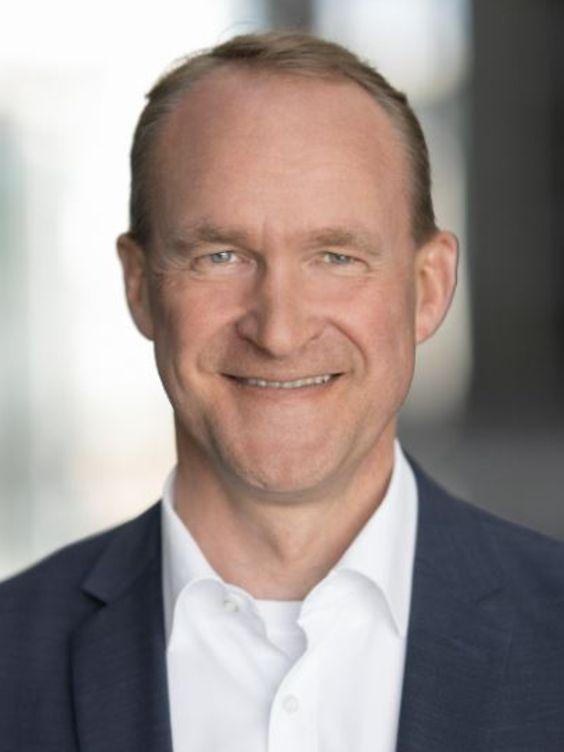
Altenkamp wrote that the CCP targets not only religious and ethnic minorities, but anyone who refuses to submit to communist ideology—including people seeking “inner freedom” through meditation.
“They fear nothing more than freedom of the mind—even people’s thoughts. But thoughts are, and remain, free.”