WASHINGTON—The United States says it is ready to defend its sovereignty as China’s “ethnic unity” law, which is aimed at promoting a shared national identity aligned with the Chinese Communist Party (CCP), comes into effect.
Any organizations and individuals outside China’s territory could face legal action if their activities were deemed to threaten “national unity” or incite division, the law states.
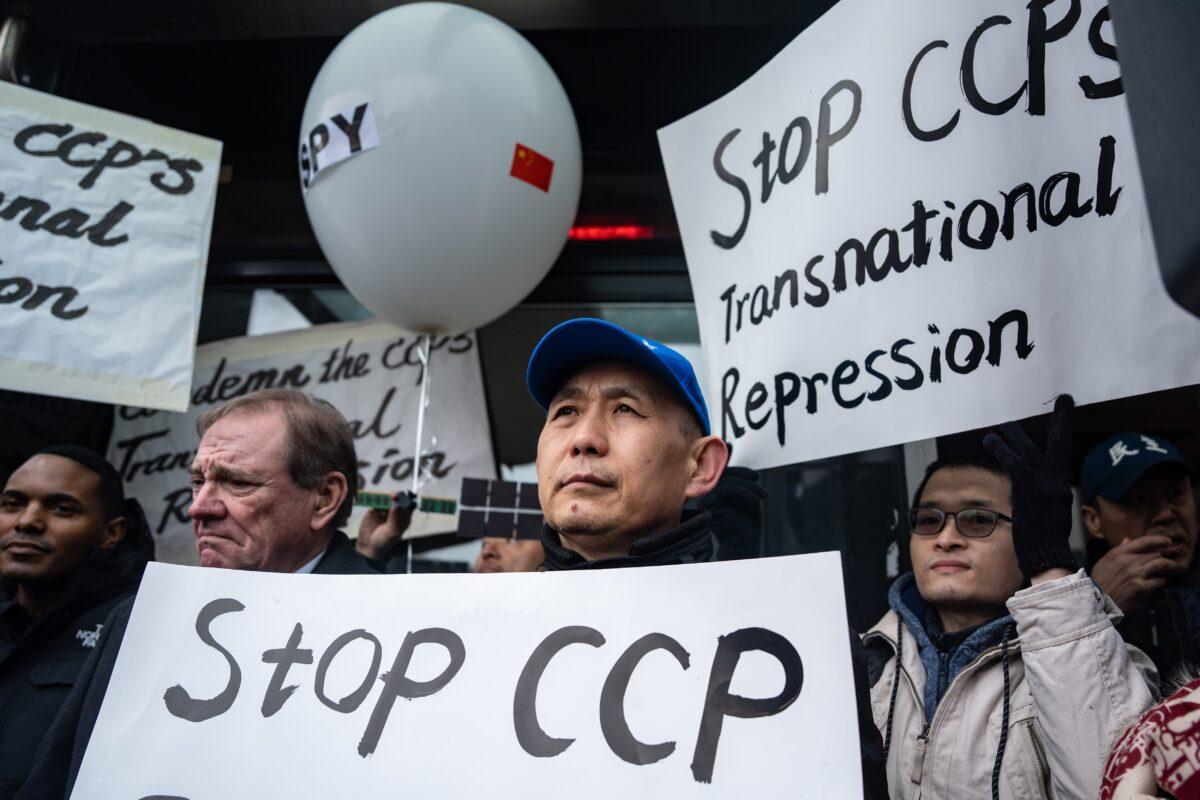
“This problematic law imposes sweeping obligations on individuals, institutions, and organizations—including those outside China’s borders—to actively promote the Chinese Communist Party’s ‘ethnic unity’ agenda or face retaliation from Chinese authorities,” a State Department spokesperson told The Epoch Times in a statement.
“The United States will safeguard our sovereignty and defend individuals from the overreach of foreign governments and regimes trying to silence, intimidate, harass, harm, or coerce them within our borders.”
The Chinese law, which has global reach, also raised alarm among some governments.
The European Union stated that China needs to “respect its international and constitutional commitments.”
“We call on any third country to refrain from attempts to conduct transnational repression within the European Union or elsewhere,” an EU spokesperson told The Epoch Times.
“The EU opposes the extraterritorial application of third-country legislation in breach of international law.”
The German Foreign Office’s Asia-Pacific chief, Frank Hartmann, also noted the law’s implications with “great concern.”
Hartmann said the law could further restrict cultural and religious rights. He noted that it will not only affect Uyghurs, Tibetans, and Mongolians but also religious minorities such as Christians.
“Mandatory sinicization undermines ethnic identity, freedom of religion as well as the right to minority language education,” he said on X on July 1.
Hartmann said that Beijing needs to “fulfill its national and international obligations to protect human rights and the rights of minorities.”
The EU spokesperson noted that these rights are covered in China’s constitution and that upholding them is also part of Beijing’s commitment within the U.N. framework.
The Inter-Parliamentary Alliance on China, a coalition of legislators from 31 countries, including the United States and the UK, condemned the law’s adoption and implementation as a “flagrant breach of basic fundamental rights.”
“This law does not foster progress, it further entrenches persecution, both within China and abroad,” the group said in a statement on X.
They pointed to the law’s extraterritorial provisions, warning that it threatens not only Chinese activists but all researchers, journalists, civil society members, and politicians “who dare to tell the truth.”
“We urge all democratic governments to condemn and oppose this repressive law with every tool available,” the group stated.
The law is particularly worrying for Taiwan, a self-governing democracy claimed by the Chinese regime.
Taiwanese President Lai Ching-te on July 1 said the “egregious” law represents the CCP’s further escalation of “long-arm jurisdiction” and “transnational repression.”
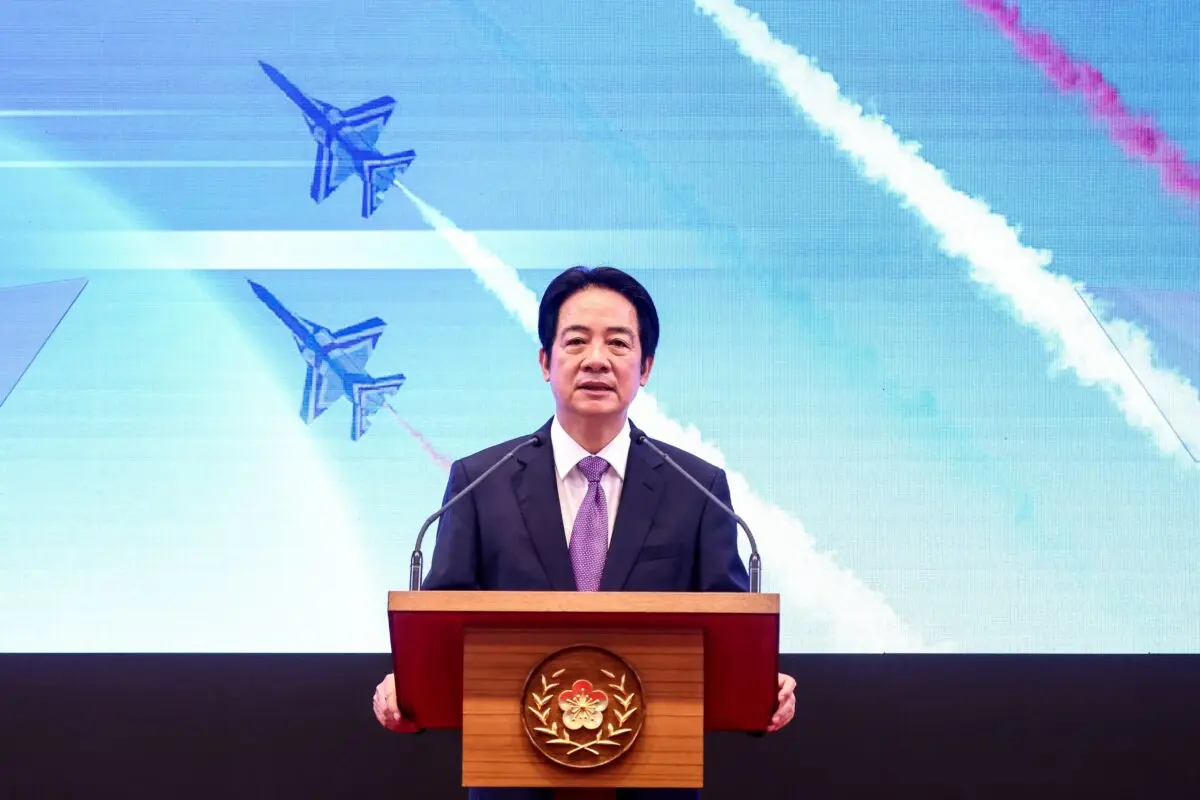
He highlighted that the Taiwanese government has already documented more than 100 cases of transnational repression by the CCP.
With the new law, Beijing is likely to intensify such efforts, creating “a climate of fear” and coercing Taiwanese people into submission, he said.