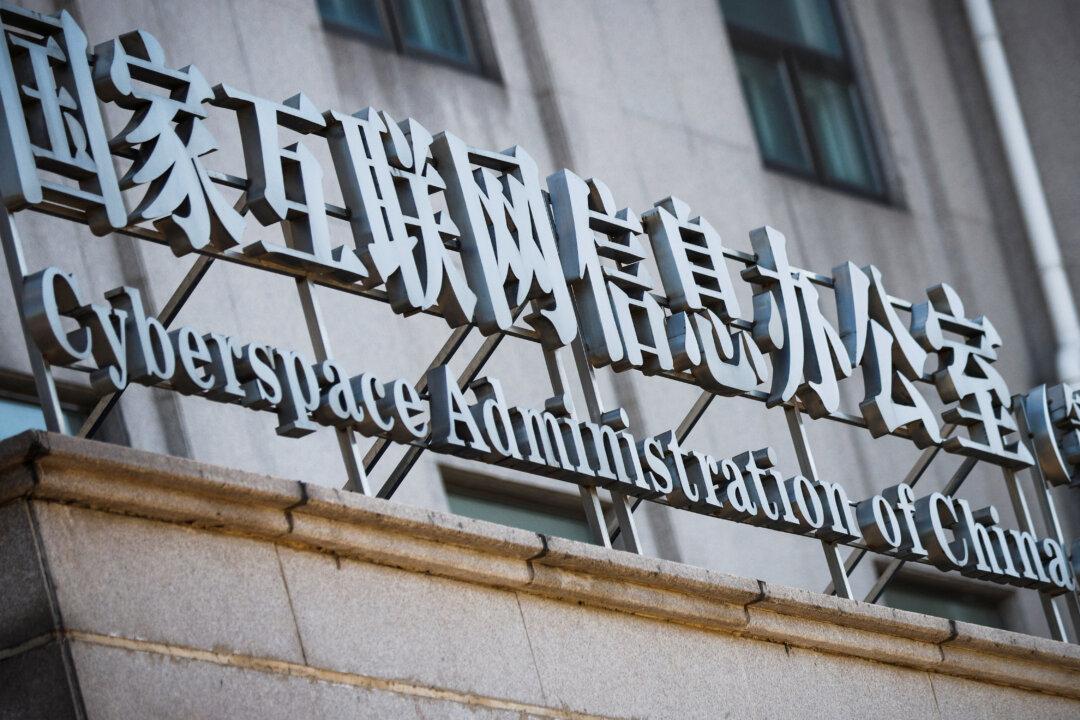
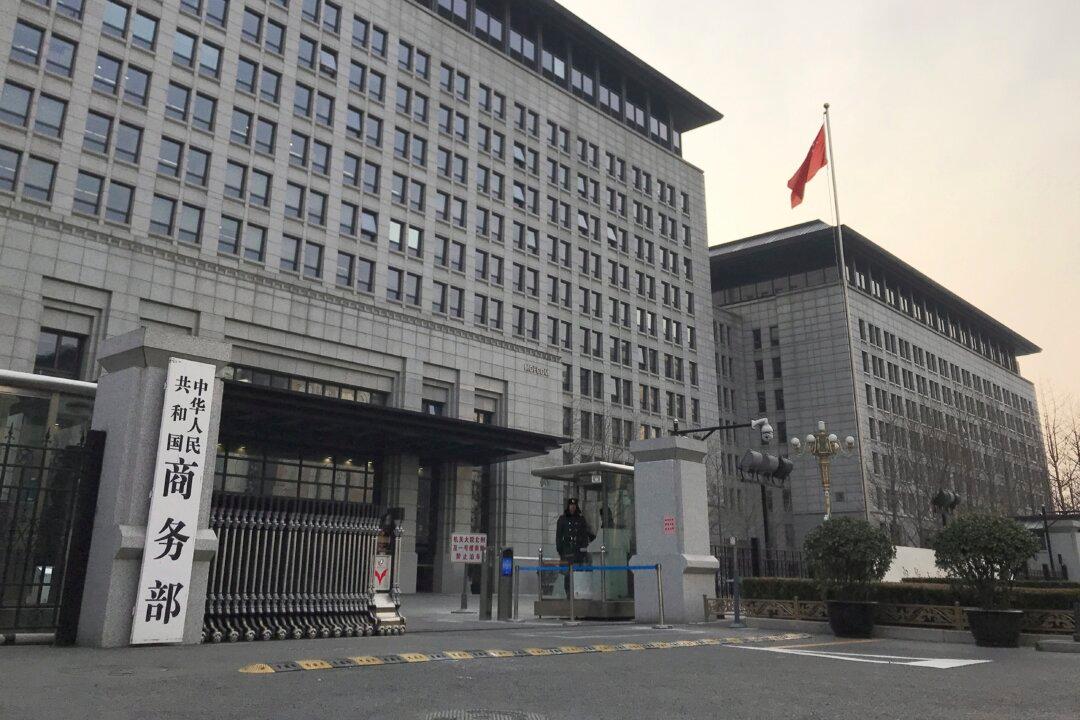
China has officially approved a new law to promote “ethnic unity” with the country’s ethnic minorities, a push that critics say would escalate the communist regime’s repressive campaign against such groups.
The National People’s Congress, China’s rubber-stamp legislature, adopted the legislation called “Promoting Ethnic Unity and Progress” during a meeting on March 12, according to state media outlet Xinhua. Chinese leader Xi Jinping has signed an order to enforce the law, which will take effect on July 1, Xinhua said.
The legislation, which Beijing began drafting in November 2023, has sparked fresh concern that ethnic minorities’ access to their own language and culture would be further curtailed, as it explicitly mandates Mandarin as the primary language across school education, official documents, and state-run businesses nationwide.
Lou Qinjian, a spokesperson for the country’s top legislature, said at a March 4 briefing before submitting the draft to delegates that the legislation is intended to ensure the Communist Party’s “comprehensive leadership” role in ethnic minorities works.
Lou said that the law is aimed at enhancing “the system and mechanism to build a strong sense of community for the Chinese nation,” a concept Xi announced in 2017.
Officially, Beijing has 56 ethnic groups, dominated by the Han Chinese, who account for more than 90 percent of the country’s population.


Minority groups such as Tibetans, Mongols, Hui, Manchus, and Uyghurs are concentrated in regions that together cover roughly half of the country’s land area, much of it rich in natural resources.
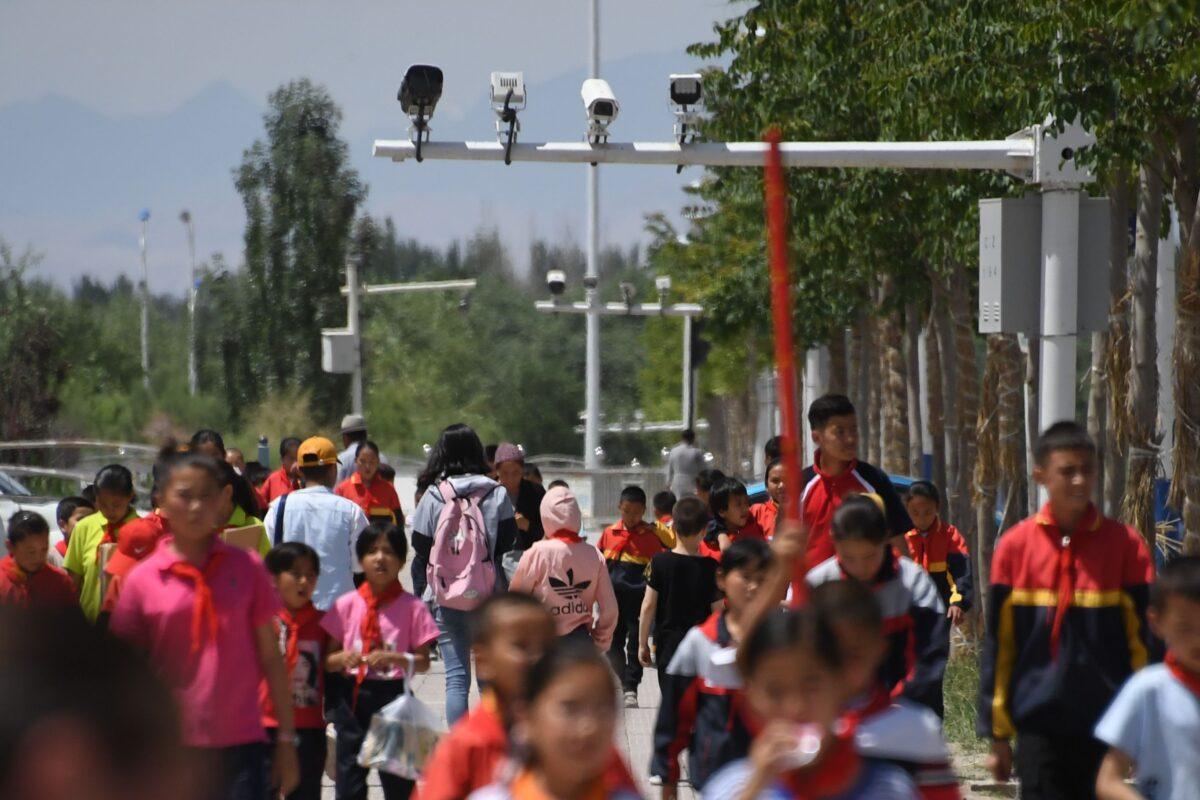
Under the new law, schools in China, including those serving ethnic minority groups, will be mandated to teach children in Mandarin instead of their own native languages from kindergarten. Article 15 stated that preschool children should be proficient in speaking Mandarin, and by the time they complete compulsory education, they should be able to read and write Chinese characters.
In public spaces, simplified Chinese characters must be displayed more prominently than minority scripts when governments, companies, or other organizations must present both languages together, according to the full text of the legislation published by state media late on March 12.
Religious groups, religious schools, and religious venues are also required to follow “the direction of the Sinicization of religion in China,” according to the law.
‘Long-Arm Jurisdiction’
The new law includes another clause that would allow the Chinese authorities to prosecute individuals, inside and outside the country, if Beijing perceives their actions as undermining “national unity” and promoting “separatism.”Officials in Taiwan worry that the vaguely worded law could become a new tool for the Chinese regime to target Taiwanese people.
Shen said it’s “highly possible” that the law could be used as a basis for targeting people Beijing views as supporters of Taiwan independence.
“Many of the Chinese communists’ actions are nominally presented as measures for maintaining domestic stability, but in reality they could also be transformed into long-arm jurisdiction,” Shen said, referring to Beijing’s efforts to go after its targets overseas.