WASHINGTON—House lawmakers on June 30 introduced a bipartisan resolution condemning China’s new ethnic unity law, saying the law will expand the regime’s efforts to enforce its ideology internationally and eliminate cultural and religious rights.
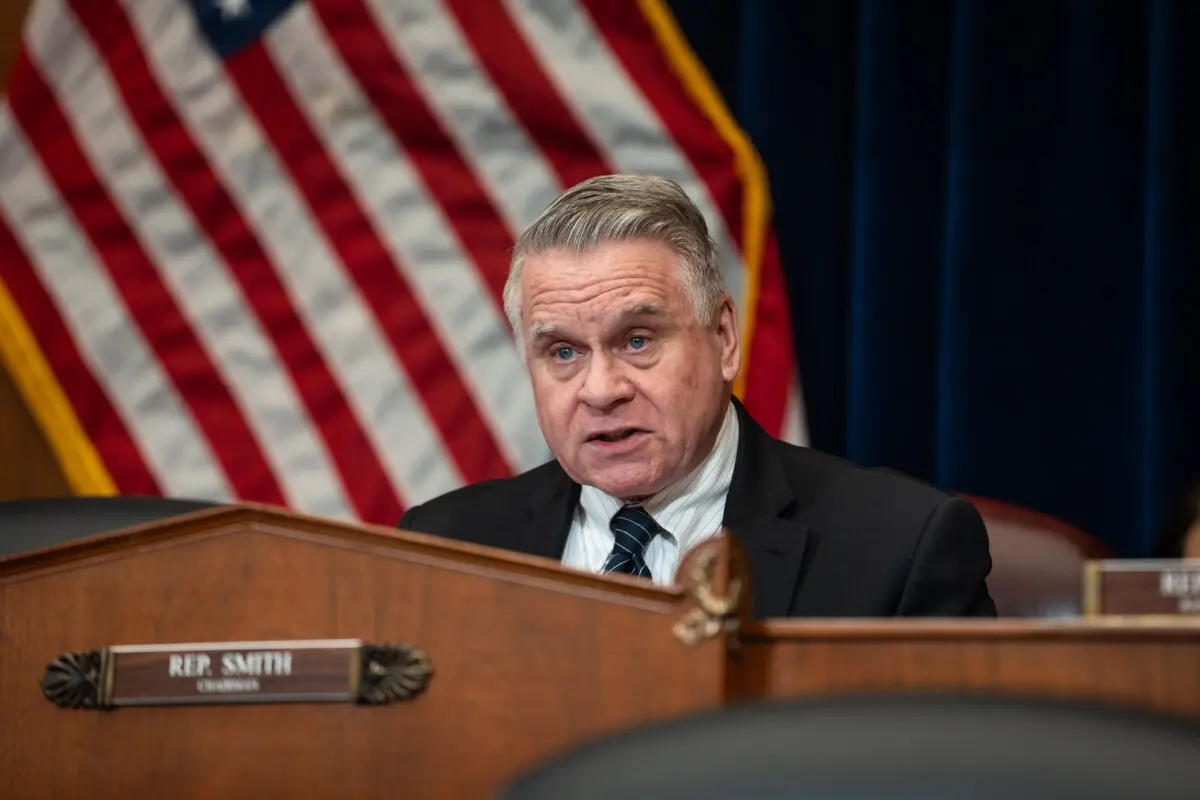
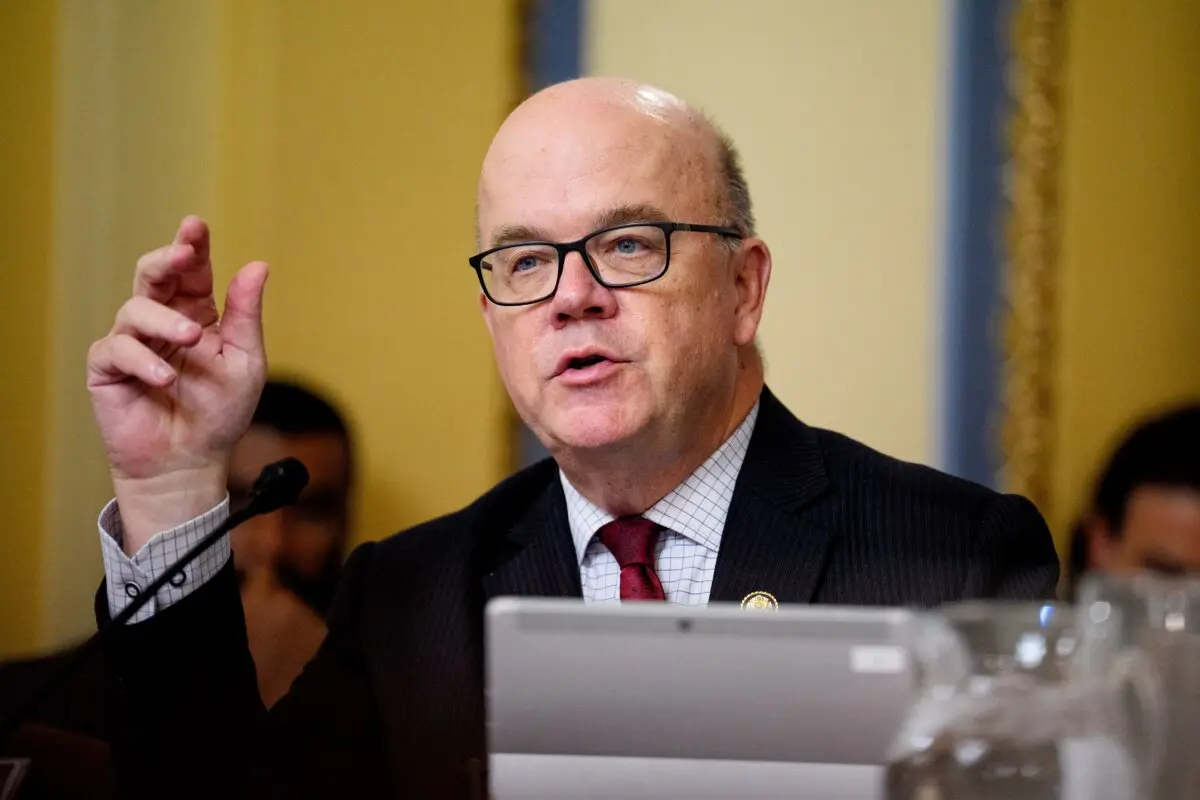
The measure by Reps. Chris Smith (R-N.J.) and Jim McGovern (D-Mass.) comes amid growing concerns in Congress about the Chinese law, which allows Beijing to target people in the United States and beyond.
The Promoting Ethnic Unity and Progress law, enacted on July 1, formalizes a longstanding push to prioritize Mandarin Chinese in education from kindergarten and promotes a unified national identity among the country’s 55 officially recognized ethnic minority groups.
It also contains a clause that allows Chinese authorities to prosecute individuals and entities abroad if their actions are deemed by Beijing to undermine “national unity” or incite “separatism.”
“Beijing’s message is chilling: Abandon your faith, forget your language, obey the Party—or face punishment, even abroad,” Smith told The Epoch Times in a statement. “This is not unity. It is tyranny—and it turns cultural and religious erasure into official policy.”
The resolution, shared with The Epoch Times ahead of its public release, denounces the new law and the regime’s broader repression of Tibetans, Uyghurs, Mongolians, and other ethnic minority groups.
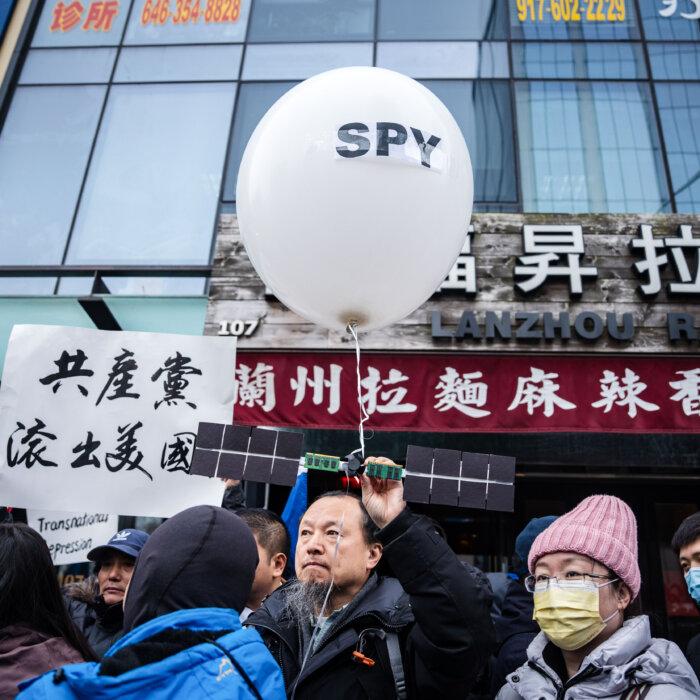
The law “elevates Chinese Communist Party ideology,” and its vague prohibitions risk criminalizing a broad range of activities, including peaceful expression, religious worship, reporting, and minority rights advocacy, the resolution states.
It noted that the law’s sweeping provisions could be used to punish or intimidate people the regime dislikes abroad, including in the United States.
Taiwanese officials have warned that the regime could use the law against individuals for expressing Taiwanese identity and history or opposing Beijing’s official narratives about Taiwan, the resolution states.
The lawmakers expressed support for advocating for the release of those imprisoned for religious beliefs, cultural preservation, or peace activism, including Uyghur economics professor Ilham Tohti and Uyghur ethnographer Rahile Dawut, both serving life sentences under existing law.
The resolution encourages President Donald Trump and executive branch officials to impose sanctions or visa restrictions on Chinese officials and entities responsible for enforcing the ethnic unity law and other forced-assimilation policies.
It also urges the secretary of state to work with U.S. allies, such as the European Union, Canada, and Australia, to monitor the implementation of China’s new law and assess its effects.
The Trump administration needs to take stronger action against the Chinese Communist Party’s (CCP’s) use of the new law to harass, surveil, or take any other efforts to silence the Chinese diaspora’s advocacy activities in the United States, the resolution states.
Smith said that Congress “must act decisively to condemn the CCP’s atrocities and protect Americans and diaspora communities from transnational repression.”
Sens. John Curtis (R-Utah), Jacky Rosen (D-Nev.), Jim Banks (R-Ind.), and Jeff Merkley (D-Ore.) introduced a similar measure in the Senate last week.
Smith, McGovern, and a dozen other House lawmakers also expressed alarm to Secretary of State Marco Rubio about the issue. In a letter dated June 29, they asked Rubio to condemn the ethnic unity law as “a tool of forced assimilation, ideological control, and transnational repression.”
The law is part of the Chinese regime’s broader pattern of transnational repression and a “direct threat to the rights and safety of diaspora communities and human rights advocates, including American civil society organizations and lawmakers,” they said.
Rights groups have also raised alarms that the law could give the CCP a legal basis to go after dissidents and other targets abroad. Freedom House stated on X on June 30 that China’s new law threatens to “further extend” its transnational repression efforts against members of ethnic and religious minority groups.
The CCP has been identified among the world’s most prolific perpetrators of transnational repression since 2014, according to Freedom House.
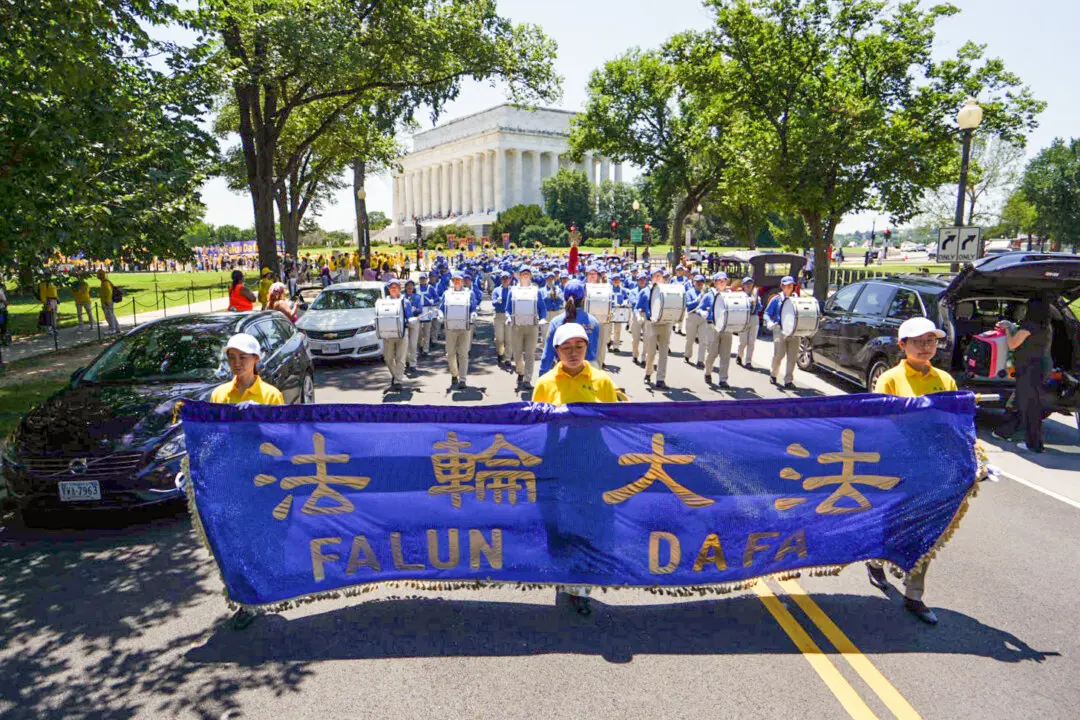
Falun Dafa Information Center, in its latest report released on June 30, identified hundreds of transnational repression cases targeting Falun Gong practitioners in the United States from 2020 to 2025.