Purges of executives and scientists follow a missile force scandal and the scrutiny of underperforming weapons systems.

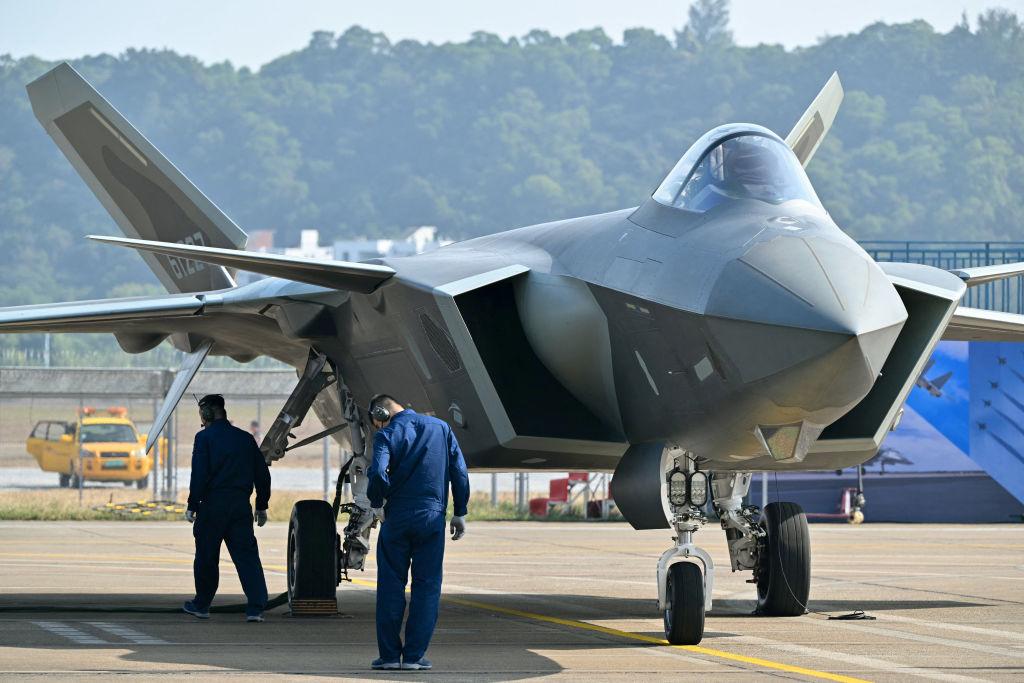
The ouster of a key jet designer signals broader scrutiny of weapons programs, leadership networks, and defense sector performance.
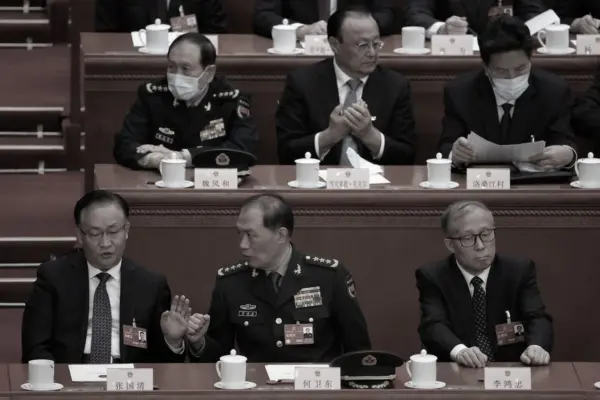
Insiders say Zhang Guoqing may be coordinating military supply links with Tehran as Beijing deepens strategic ties during the Iran war.
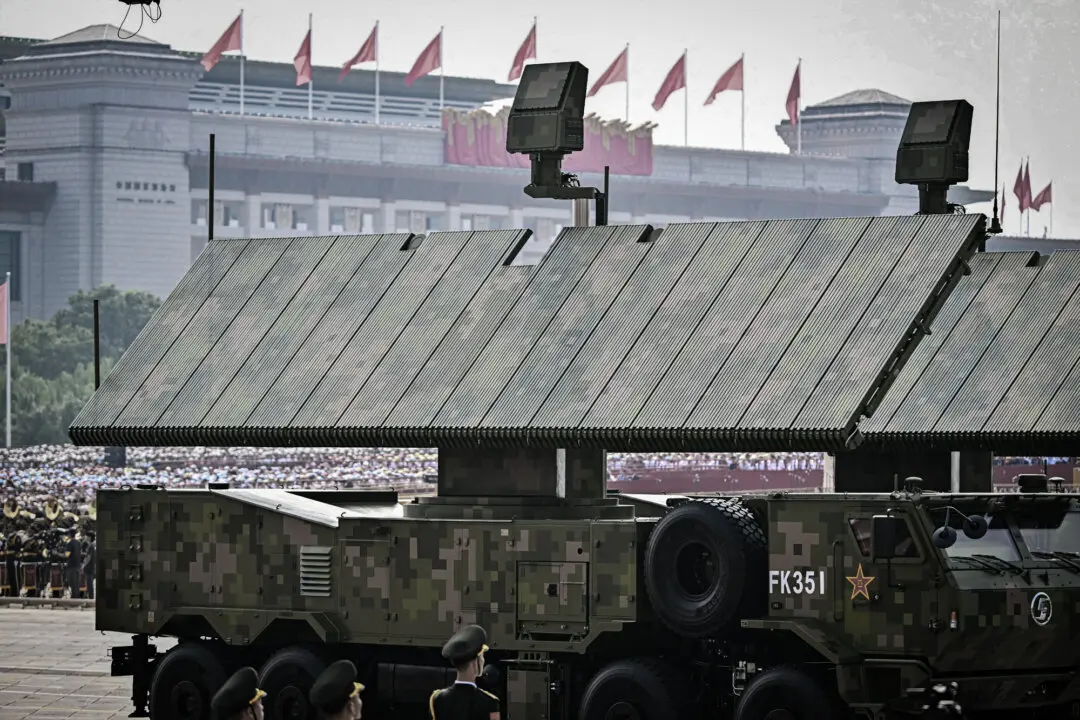
Conflicts in Iran and Venezuela raise questions about Chinese weapons as Beijing’s anti-corruption sweep shakes its military-industrial sector.
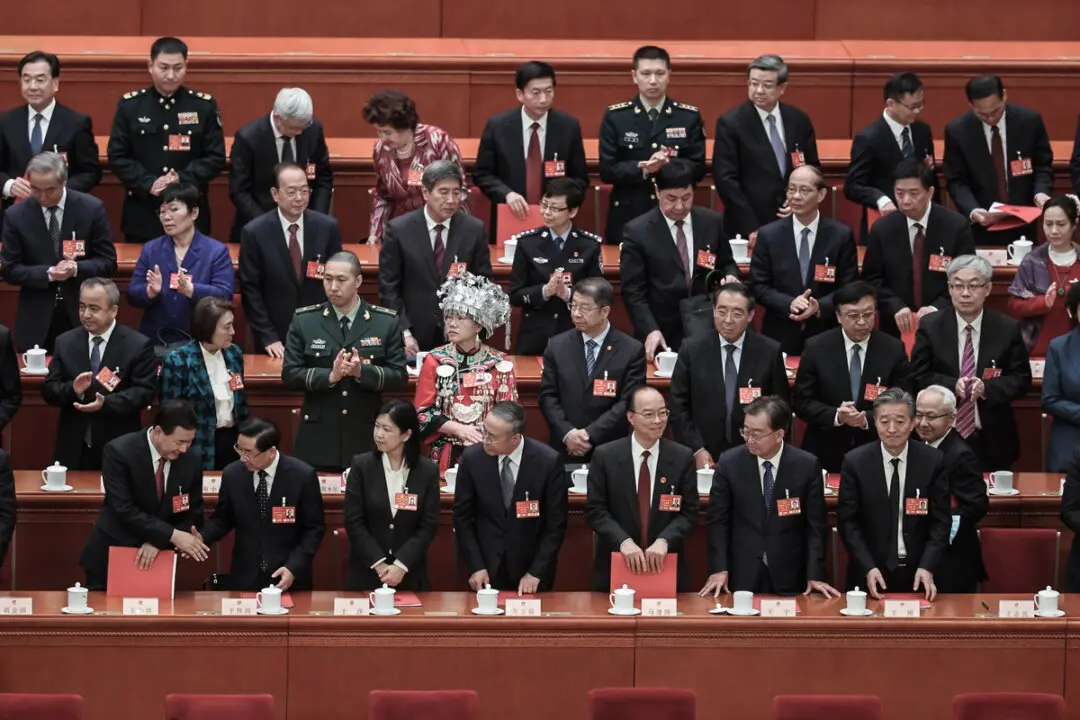
Beijing’s annual political meetings open as rising defense spending, widening military purge, and war in Iran highlight pressures facing the CCP leadership.
Yu says Washington’s post-2017 security shift reframed Taiwan’s defense as a matter of American self-interest.
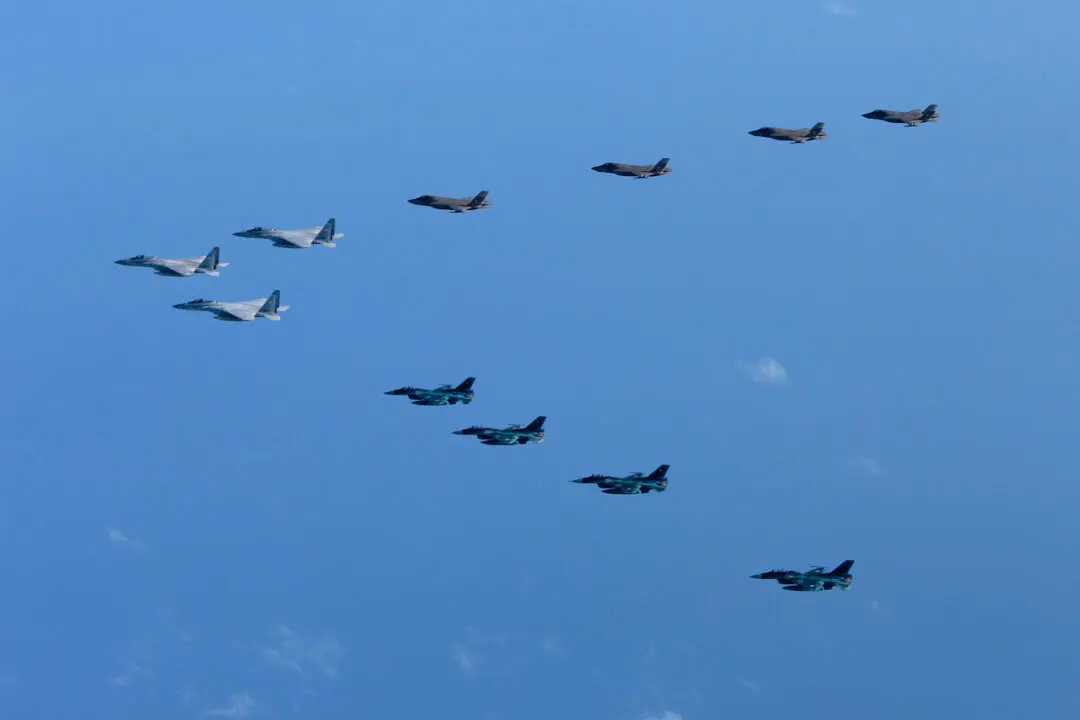
Japan and Australia condemned the radar targeting as dangerous and destabilizing for the region, pointing to Beijing’s disregard for the rules-based order.
Scale and speed—not a perfect design—will decide drone warfare, pushing Washington to cut red tape and ship autonomous fleets by the thousands, analysts say.

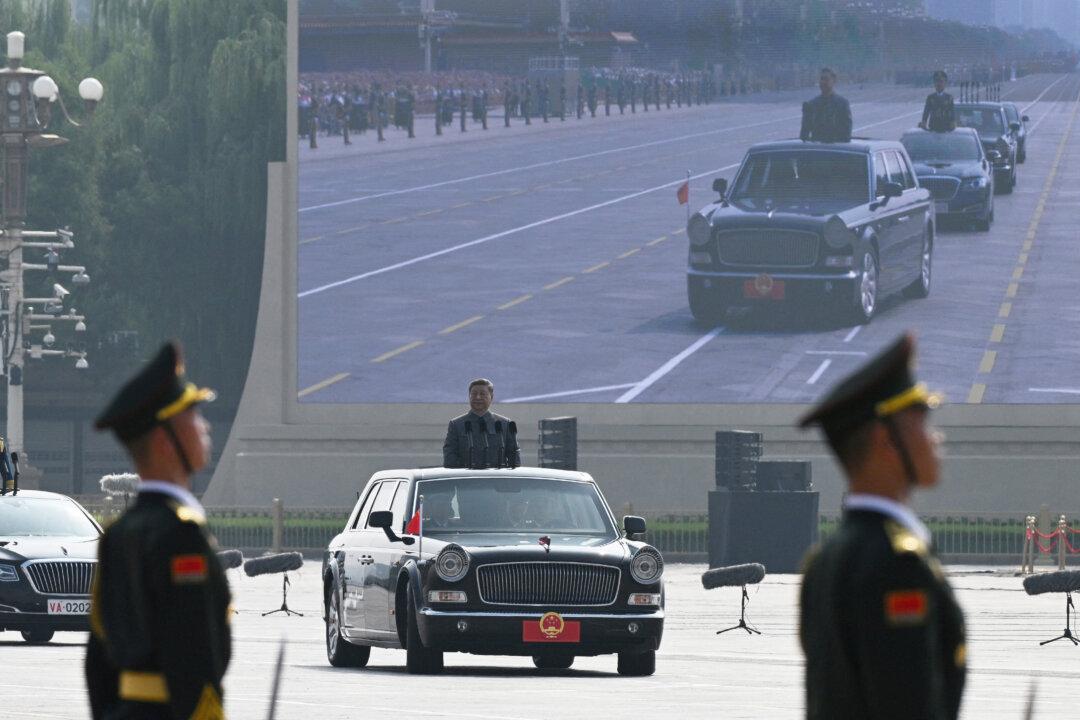
Such a display of military power reaffirms that the CCP is the threat to world democracy and peace, analysts say.

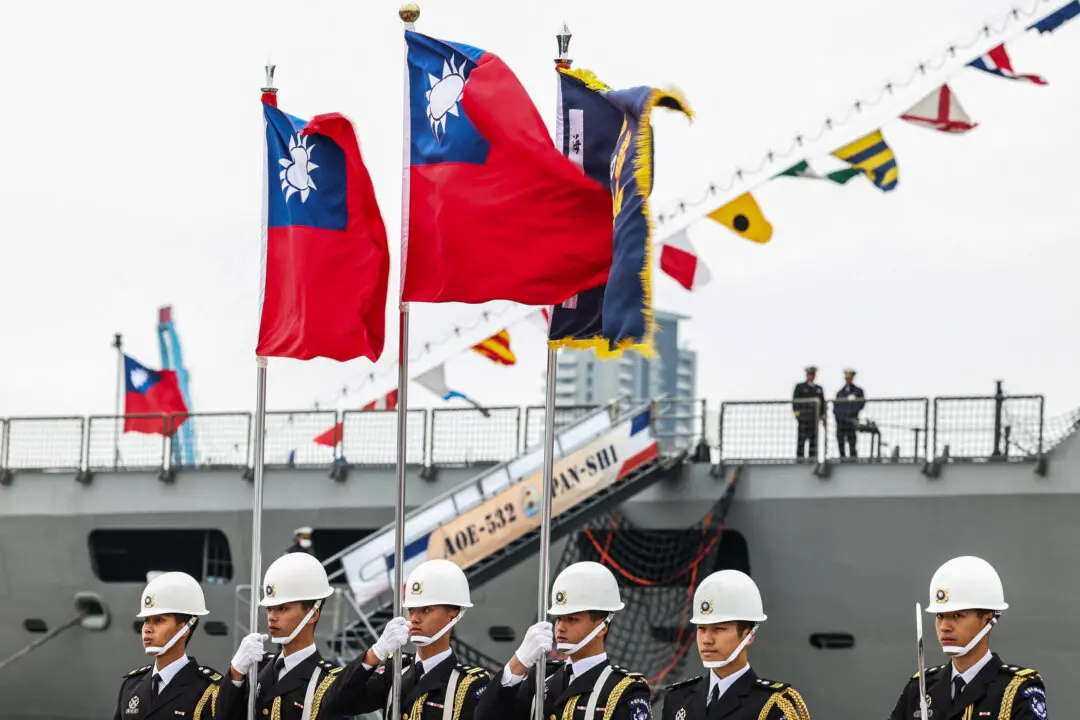
‘The people of Taiwan cherish peace, and Taiwan does not commemorate peace with the barrel of a gun,’ Taiwanese President Lai Ching-te said.
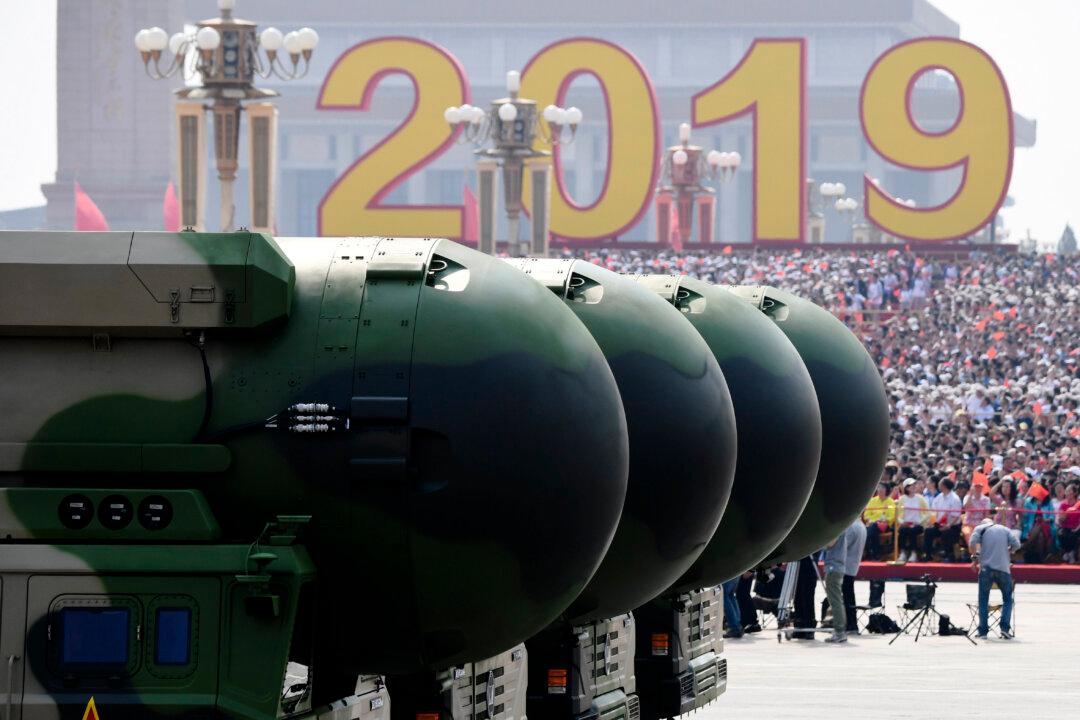
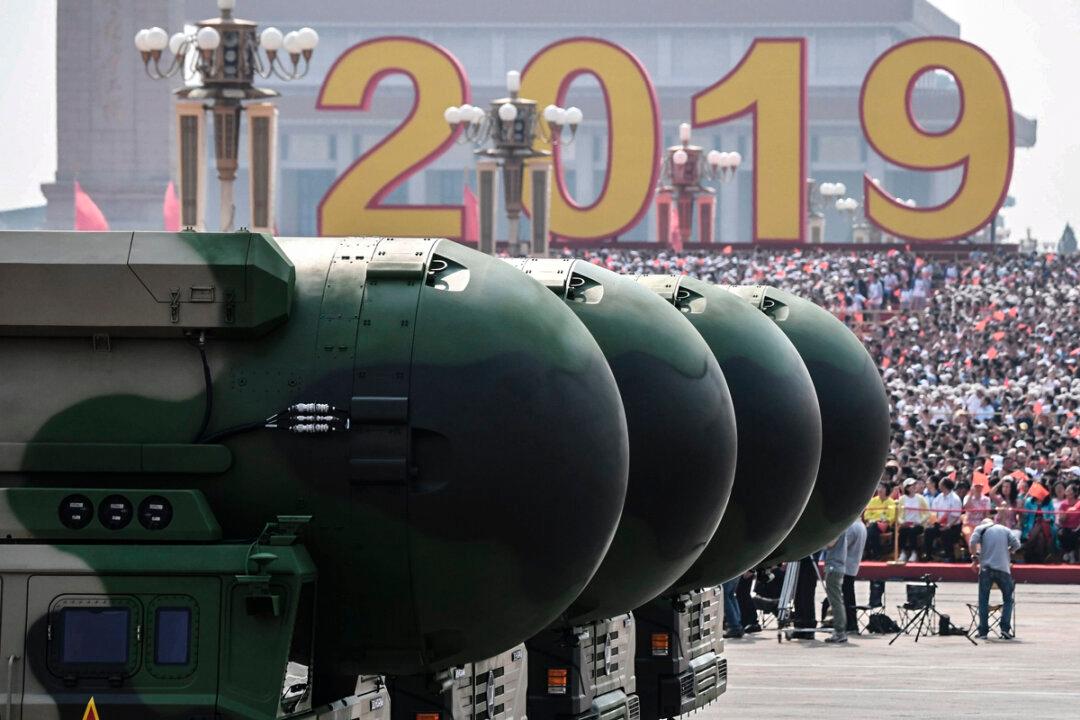
The regime’s rapid expansion of nuclear capabilities strengthens its political and psychological position against the United States and allies, analysts say.
Soviet-era ‘ekranoplan’ designs could aid Beijing in a maritime conflict, but the research comes with its difficulties, observers said.

The number of China’s nuclear warheads grew by 20 percent in the past year, according to SIPRI.
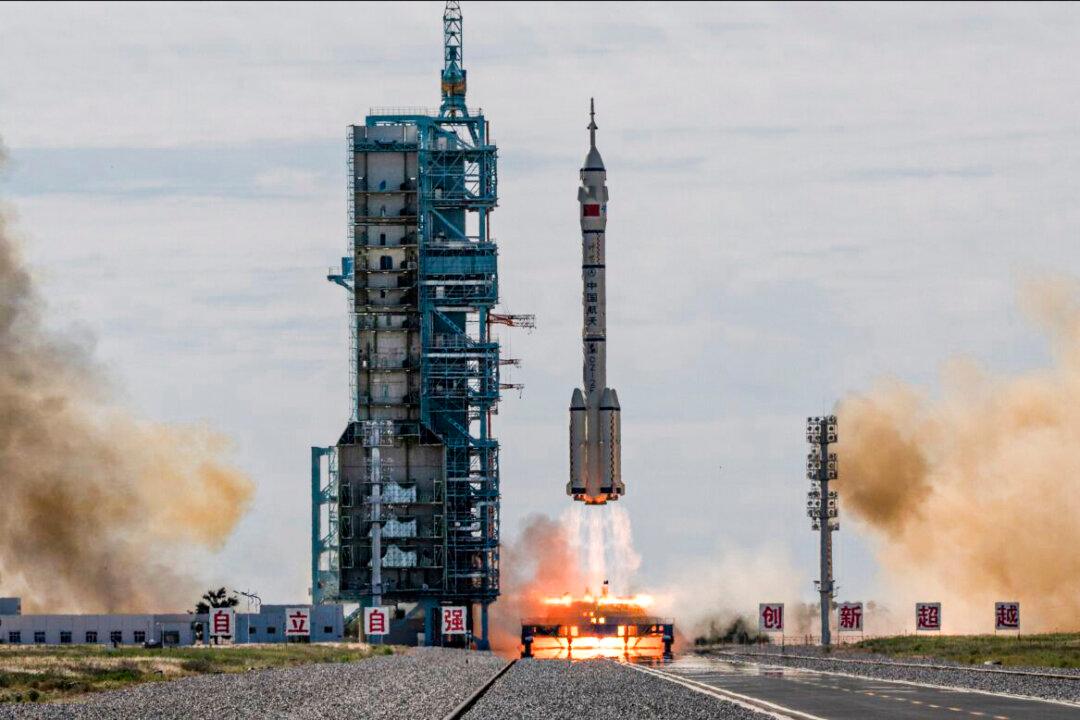
More than 490 of the CCP’s 970 satellites are intelligence-capable satellites, according to a professor of strategy at the U.S. Naval War College.
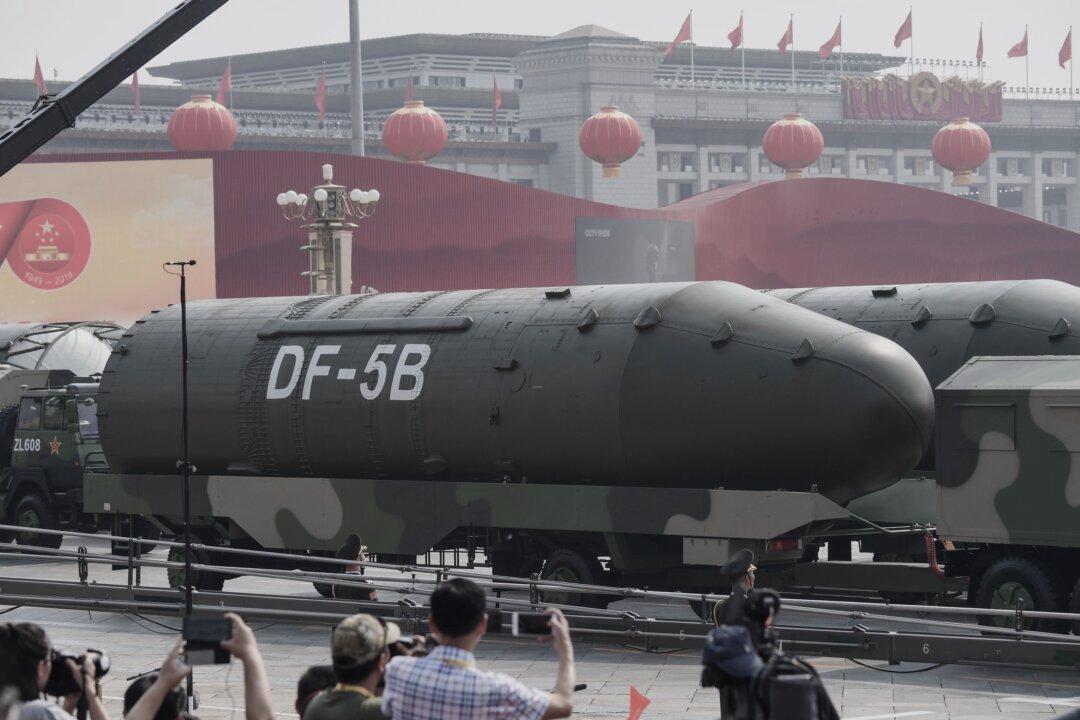
U.S. officials and defense analysts have long believed the communist regime’s reported budget captures only a fraction of its true spending on the armed forces.
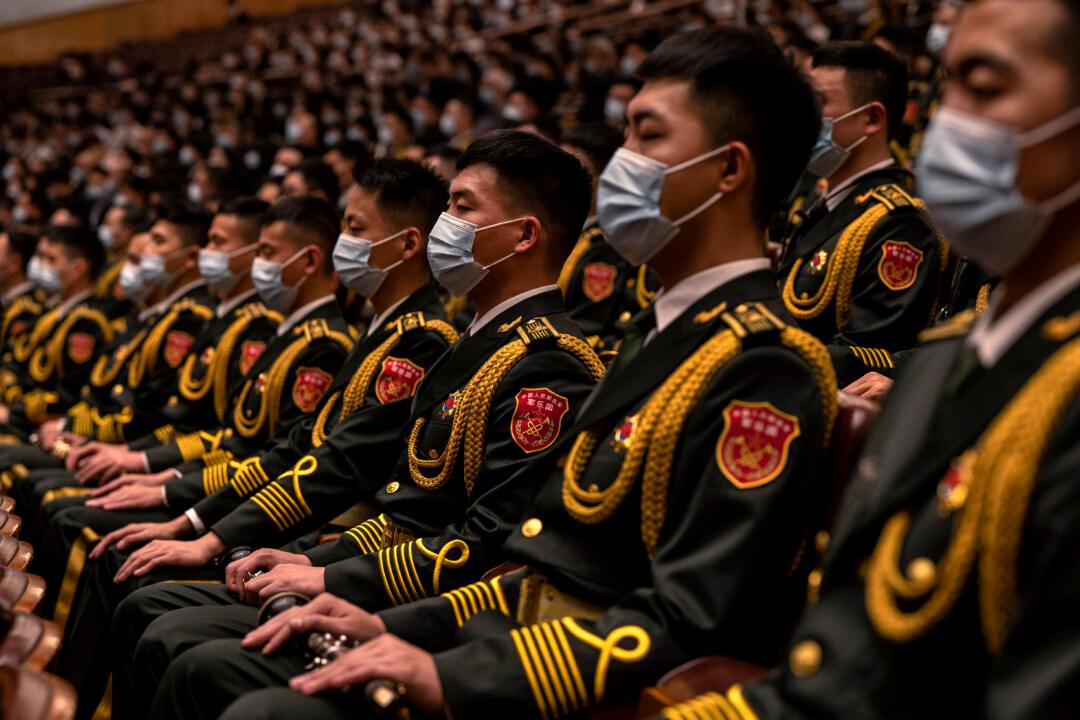
Since last July, the CCP’s anti-corruption campaign has led to the downfall of more than a dozen high-ranking military officers and defense industry executives.
The Chinese hacking campaign affected dozens of countries worldwide, an administration official said.
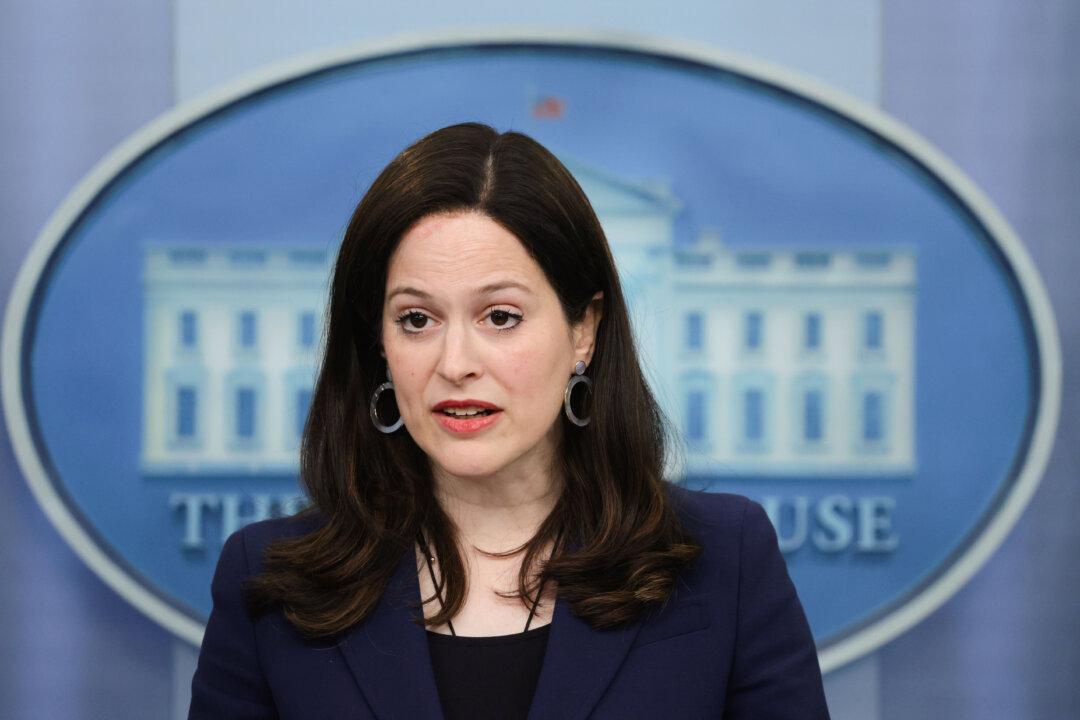
The latest breach ‘will go down as maybe one of the most significant cyberattacks’ the United States has ever faced, Sen. Mark Warner (D-Va.) said.

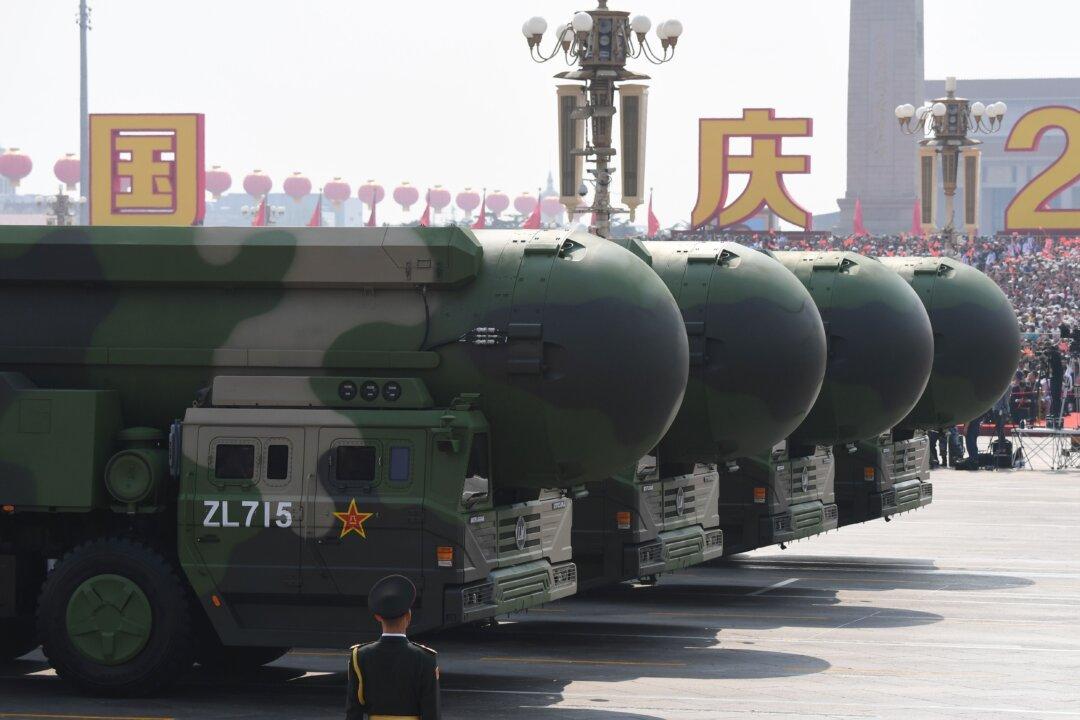
September’s launch of a long-range ICBM in the Pacific—China’s first such test in decades—evaluated the missile’s capabilities and sent a political message.
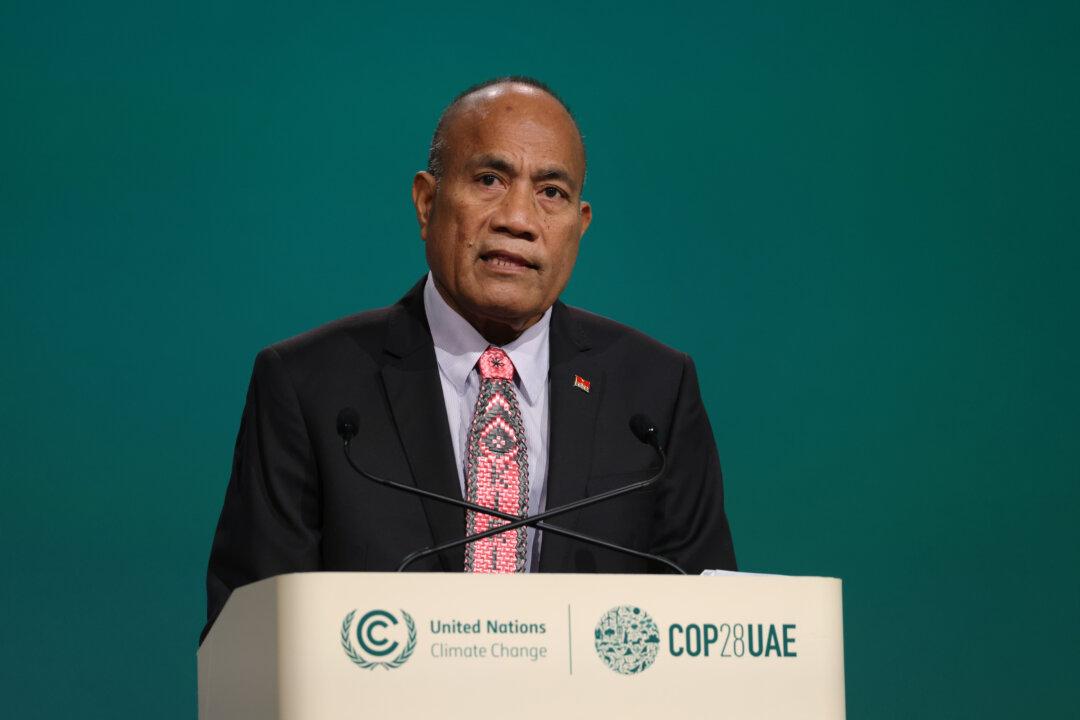
‘Kiribati does not welcome China’s recent ICBM test,’ the island nation’s Presidential Office said.
Purges of executives and scientists follow a missile force scandal and the scrutiny of underperforming weapons systems.
The ouster of a key jet designer signals broader scrutiny of weapons programs, leadership networks, and defense sector performance.
Insiders say Zhang Guoqing may be coordinating military supply links with Tehran as Beijing deepens strategic ties during the Iran war.
Conflicts in Iran and Venezuela raise questions about Chinese weapons as Beijing’s anti-corruption sweep shakes its military-industrial sector.
Beijing’s annual political meetings open as rising defense spending, widening military purge, and war in Iran highlight pressures facing the CCP leadership.
Yu says Washington’s post-2017 security shift reframed Taiwan’s defense as a matter of American self-interest.
Japan and Australia condemned the radar targeting as dangerous and destabilizing for the region, pointing to Beijing’s disregard for the rules-based order.
Scale and speed—not a perfect design—will decide drone warfare, pushing Washington to cut red tape and ship autonomous fleets by the thousands, analysts say.
Such a display of military power reaffirms that the CCP is the threat to world democracy and peace, analysts say.
‘The people of Taiwan cherish peace, and Taiwan does not commemorate peace with the barrel of a gun,’ Taiwanese President Lai Ching-te said.
The regime’s rapid expansion of nuclear capabilities strengthens its political and psychological position against the United States and allies, analysts say.
Soviet-era ‘ekranoplan’ designs could aid Beijing in a maritime conflict, but the research comes with its difficulties, observers said.
The number of China’s nuclear warheads grew by 20 percent in the past year, according to SIPRI.
More than 490 of the CCP’s 970 satellites are intelligence-capable satellites, according to a professor of strategy at the U.S. Naval War College.
U.S. officials and defense analysts have long believed the communist regime’s reported budget captures only a fraction of its true spending on the armed forces.
Since last July, the CCP’s anti-corruption campaign has led to the downfall of more than a dozen high-ranking military officers and defense industry executives.
The Chinese hacking campaign affected dozens of countries worldwide, an administration official said.
The latest breach ‘will go down as maybe one of the most significant cyberattacks’ the United States has ever faced, Sen. Mark Warner (D-Va.) said.
September’s launch of a long-range ICBM in the Pacific—China’s first such test in decades—evaluated the missile’s capabilities and sent a political message.
‘Kiribati does not welcome China’s recent ICBM test,’ the island nation’s Presidential Office said.