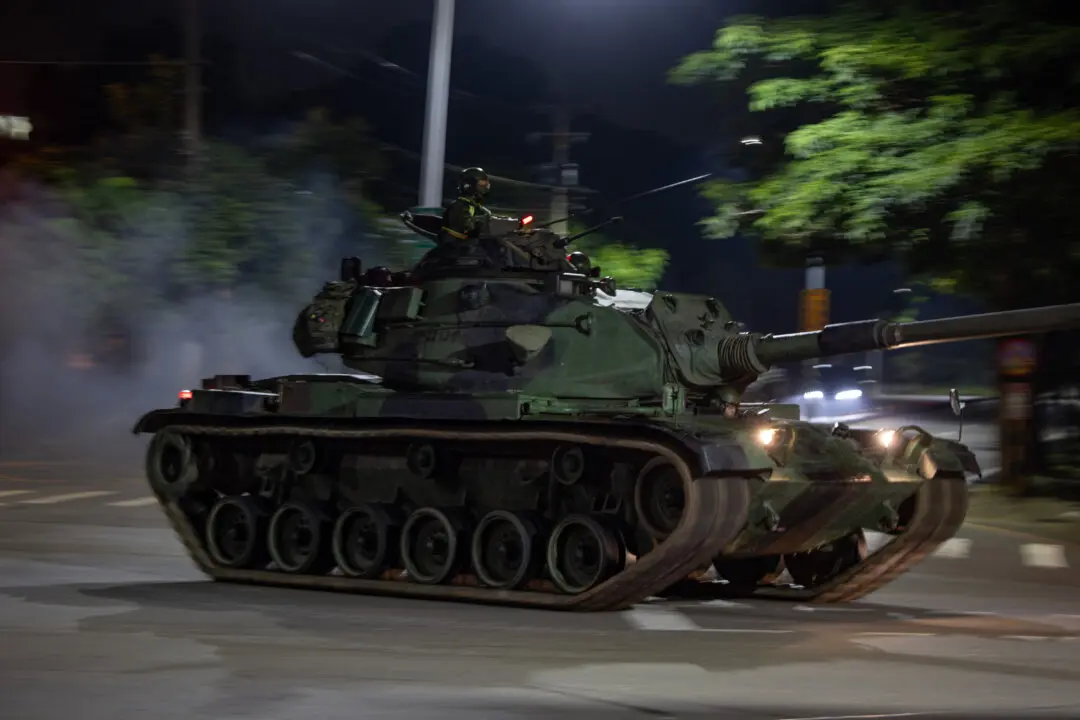
China’s defense industry is facing mounting pressure from battlefield setbacks abroad and a sweeping anti-corruption purge at home, raising questions about the performance of Chinese-made weapons and the stability of the regime’s military-industrial sector.
Recent military conflicts have drawn scrutiny of Chinese air defense systems exported to countries such as Iran and Venezuela. At the same time, an ongoing anti-corruption campaign launched by Chinese leader Xi Jinping has removed numerous senior executives and officials tied to major state-owned defense contractors.
China’s Defense Systems Face Scrutiny
Iran’s air defense network, now under close scrutiny amid the war with Israel and the United States, is believed to be a patchwork of systems from Russia, China, and domestic manufacturers. Among them are Chinese HQ-9 surface-to-air missiles and radar platforms from the YLC-series.One such system is the YLC-8B early-warning radar, developed by the state-owned China Electronics Technology Group Corp. The ultra-high frequency radar has been marketed as being capable of detecting stealth aircraft.
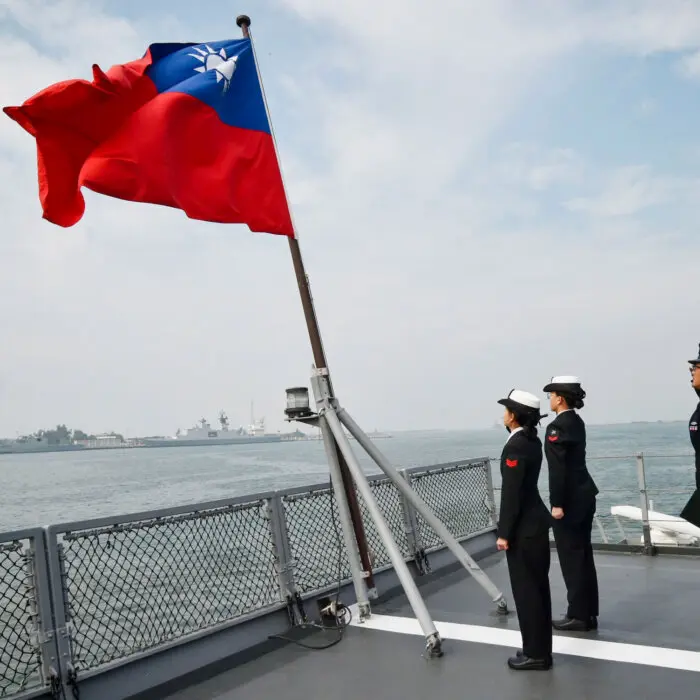
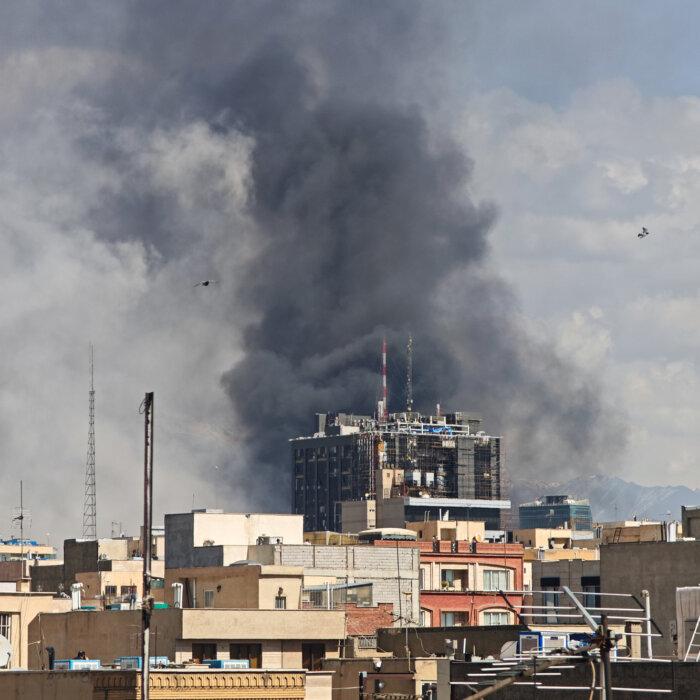
The radar systems are designed to detect advanced U.S. aircraft such as the F-22 and F-35. However, U.S. forces were able to carry out the operation without being detected.
Shen Ming-shih, a research fellow at Taiwan’s Institute for National Defense and Security Research, said the results suggest that Chinese systems may lose effectiveness in the face of U.S. electronic interference. “That will inevitably affect confidence in China’s arms sales,” he told The Epoch Times.
Shen said potential reasons could include design flaws, production quality issues, or the fact that some Chinese systems are derived from reverse-engineered foreign technology. Those derivatives may struggle against advanced Western weaponry.
Hsieh Pei-shiue, a research fellow in the cybersecurity division of the Institute for National Defense and Security Research, said the U.S.–Israeli operations effectively put Chinese and Russian weapons systems under global scrutiny.
“The performance of these systems in real combat has now been publicly displayed,” Hsieh told The Epoch Times. “Within military circles, doubts about Chinese military equipment are increasing. The reputational damage could be more direct than external sanctions.”

Anti-Corruption Campaign Hits Defense Sector
Meanwhile, China’s defense industry has been shaken by a widening anti-corruption campaign targeting both the military and state-owned defense enterprises.Since 2023, Xi has overseen a sweeping crackdown across the People’s Liberation Army and the country’s defense industrial base. The campaign has affected at least a dozen major state-owned defense conglomerates.
Declining Revenue in Arms Sales
The internal turmoil appears to be affecting business performance.A December 2025 report by the Stockholm International Peace Research Institute found that revenues from arms sales among China’s largest defense companies declined in 2024, even as the global arms industry expanded.
According to the report, major Chinese defense firms collectively recorded a roughly 10 percent drop in arms revenues, to about $88.3 billion.
China North Industries Group Corp., China’s largest producer of land-based weapons systems, recorded the steepest decline among the world’s top 100 defense companies. Its arms revenue fell by 31 percent to $14 billion.
The Stockholm International Peace Research Institute attributed the decline partly to delays in major contracts following corruption investigations that removed the company’s chairman and other senior executives.
China Aerospace Science and Technology Corp., China’s leading space and missile manufacturer, also saw arms revenues fall by 16 percent to $10.2 billion after its president was dismissed on corruption charges in late 2023, delaying several satellite and rocket projects.
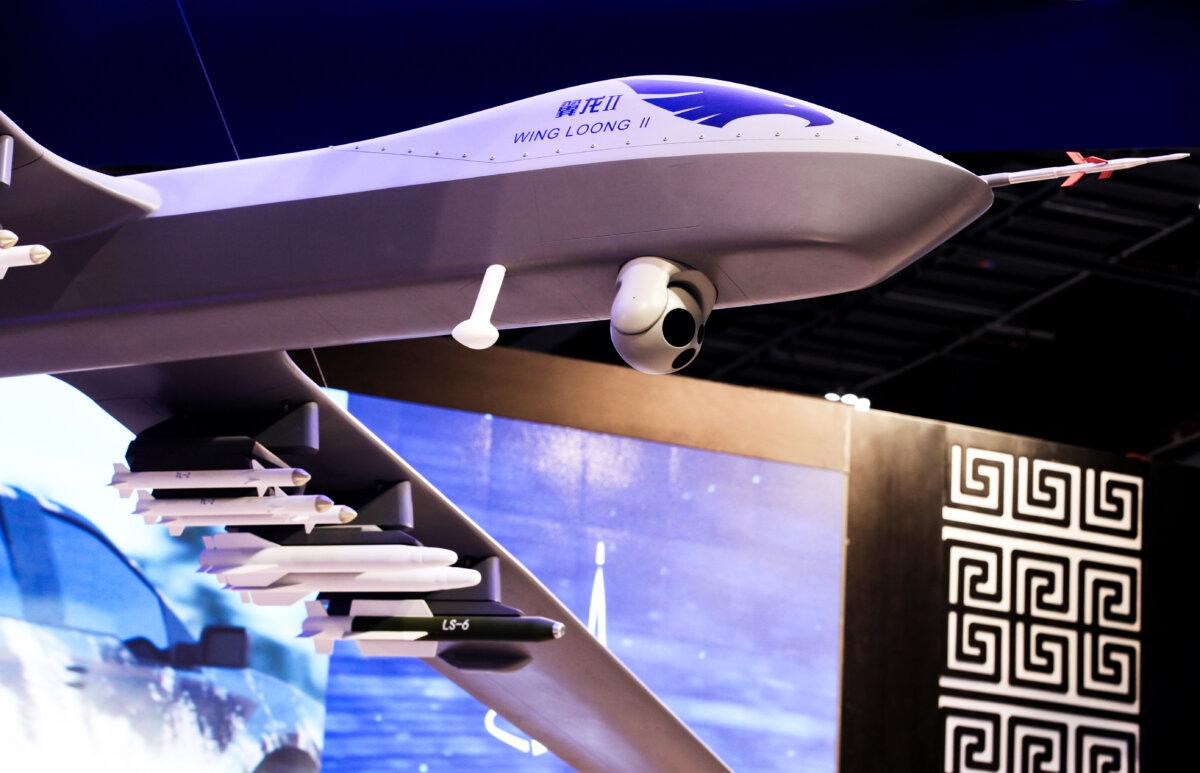
Issues Behind the Crisis
Some analysts argue that the export setbacks and internal purges point to deeper structural weaknesses in China’s defense technology system.Shen said that corruption often arises from close financial ties between the military and defense contractors, as well as reliance on reverse-engineered foreign technologies that are integrated into domestic systems.
Replacing individual executives, he said, is unlikely to address the underlying issues.
Hsieh said China’s defense industry now faces a rare combination of external and internal pressure. Losses in overseas arms markets, combined with the domestic purge of senior officials, have created a “dual crisis” for the sector, he said.
According to Hsieh, the core issue lies in the institutional structure of China’s defense industry, which is dominated by state-owned companies, leaving little room for market competition or independent oversight.
“State-owned companies monopolized all military contracts,” he said. “With no competitive mechanism and no independent supervision of contracts, simply replacing executives will not solve the problem.”
The analysts said that without structural reforms, the combination of battlefield scrutiny and political purges could continue to weigh on China’s defense industry.