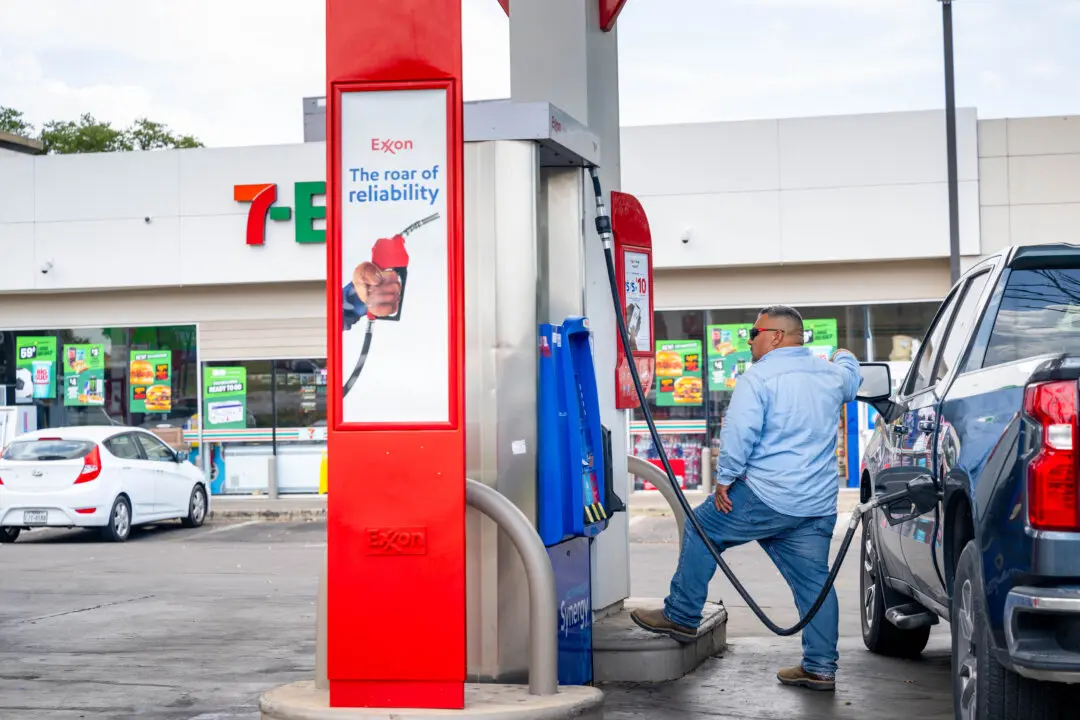
Trump said the increase in fuel prices was a relatively small cost for preventing Iran from having nuclear weapons.
The federal government’s Clean Energy Finance Corporation is committing $69 million to the project.

After hostilities were followed by a weeks-long lull, the only certainty is there’s no certainty in when, how the strait will be safe, shipping experts say.
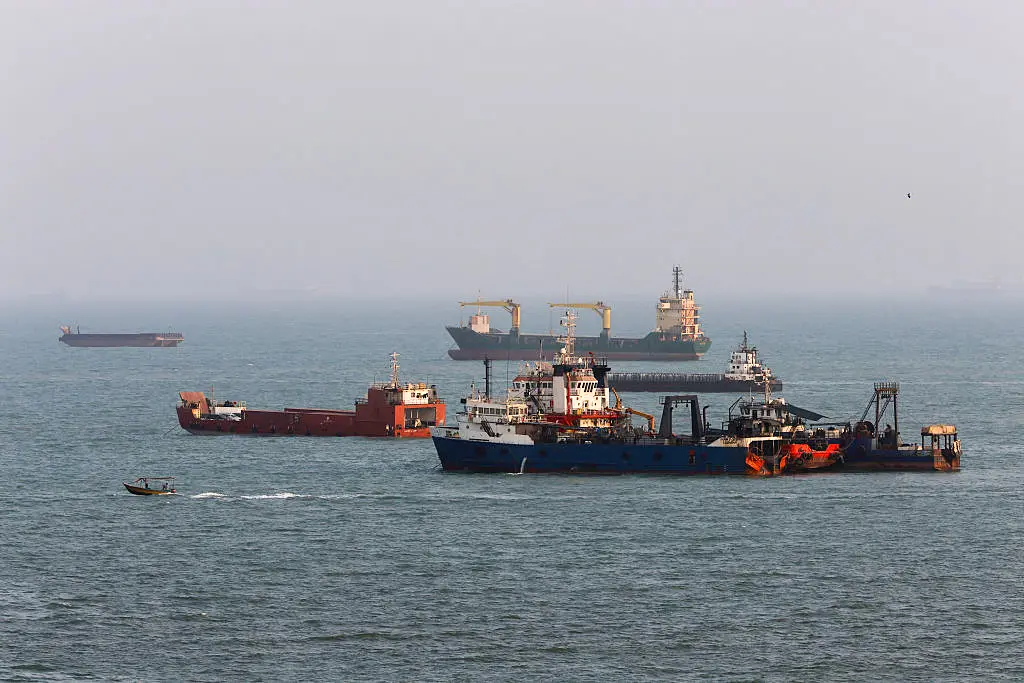
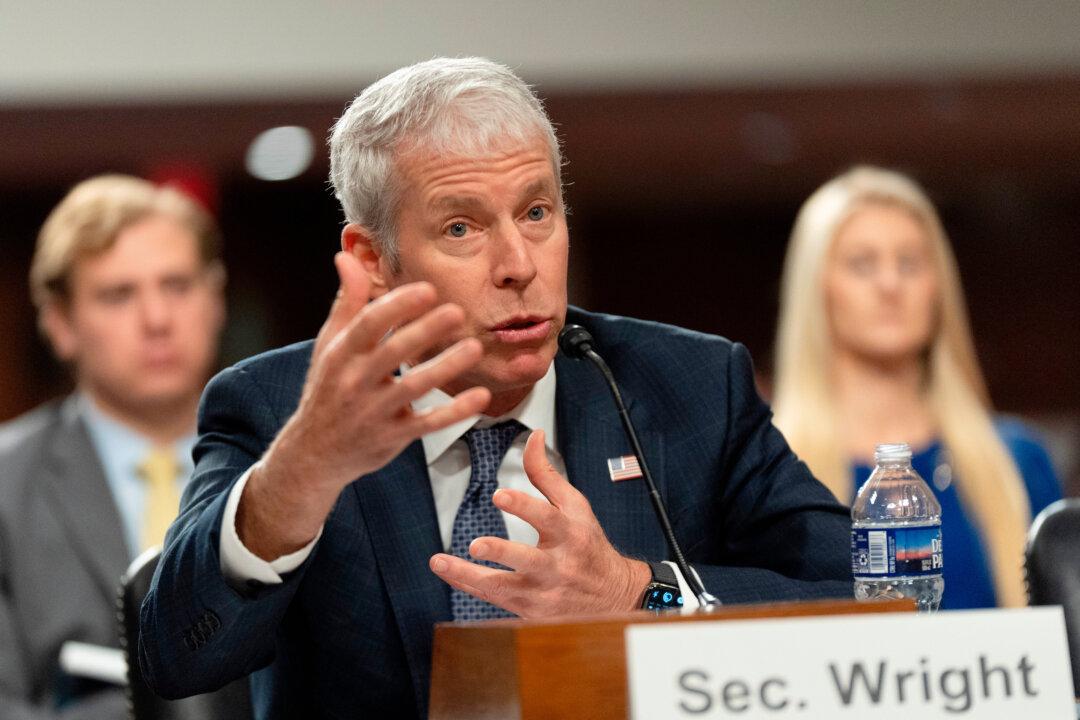
The U.S. Energy secretary said nearly 9 million barrels per day are exiting the strait and that private maritime trackers are missing vessels moving covertly.

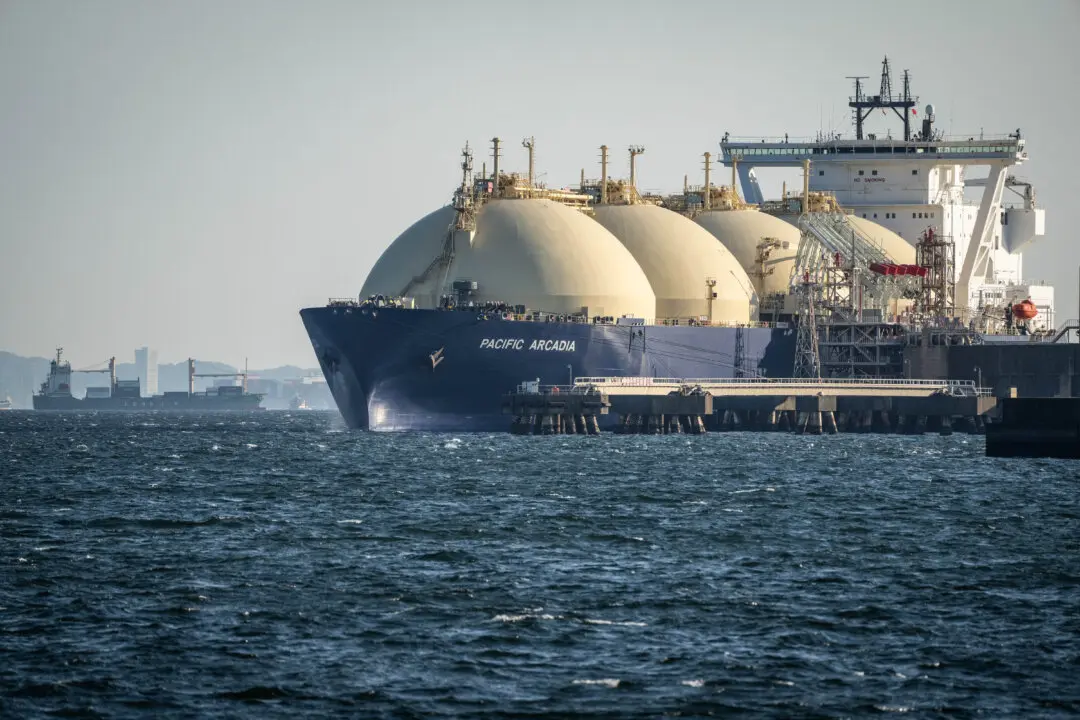
The shale revolution has kept the United States as a leading natural gas producer.
The energy watchdog stated that issues in the Middle East and Russia had caused global oil stocks to drop to their lowest level since April 2025.
‘The Biden Administration proposed numerous regulations to make home appliances more expensive and less useful,’ a three-judge panel unanimously wrote.
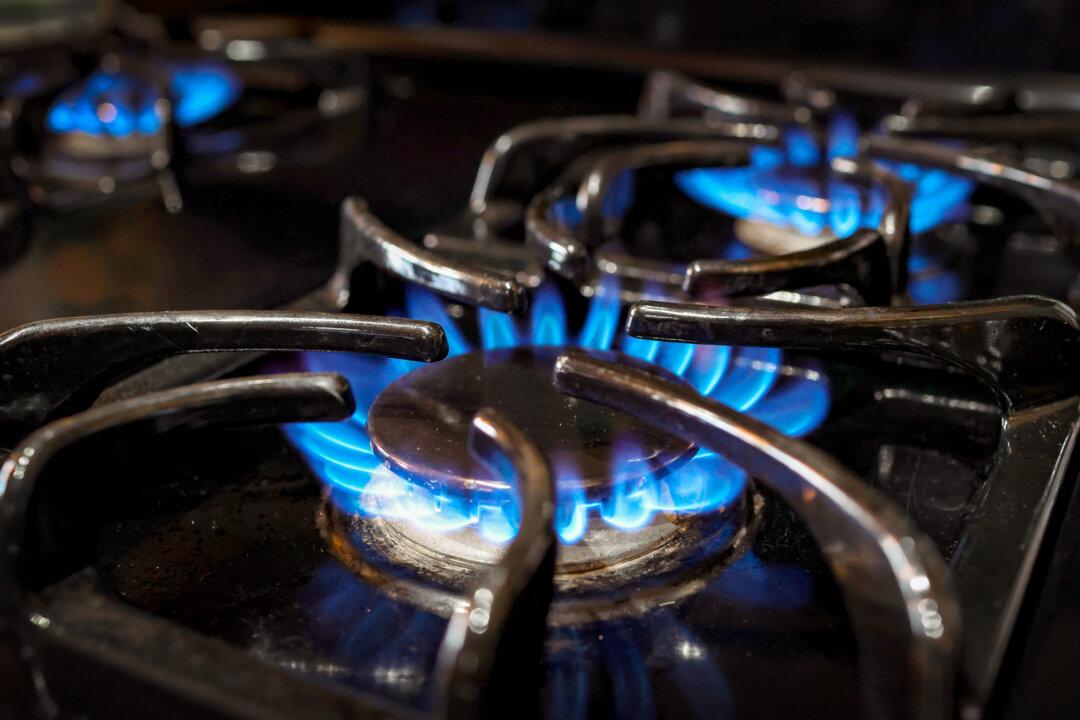
The president said prices are otherwise poised to fall sharply as Tehran seeks a deal to avert further attacks.
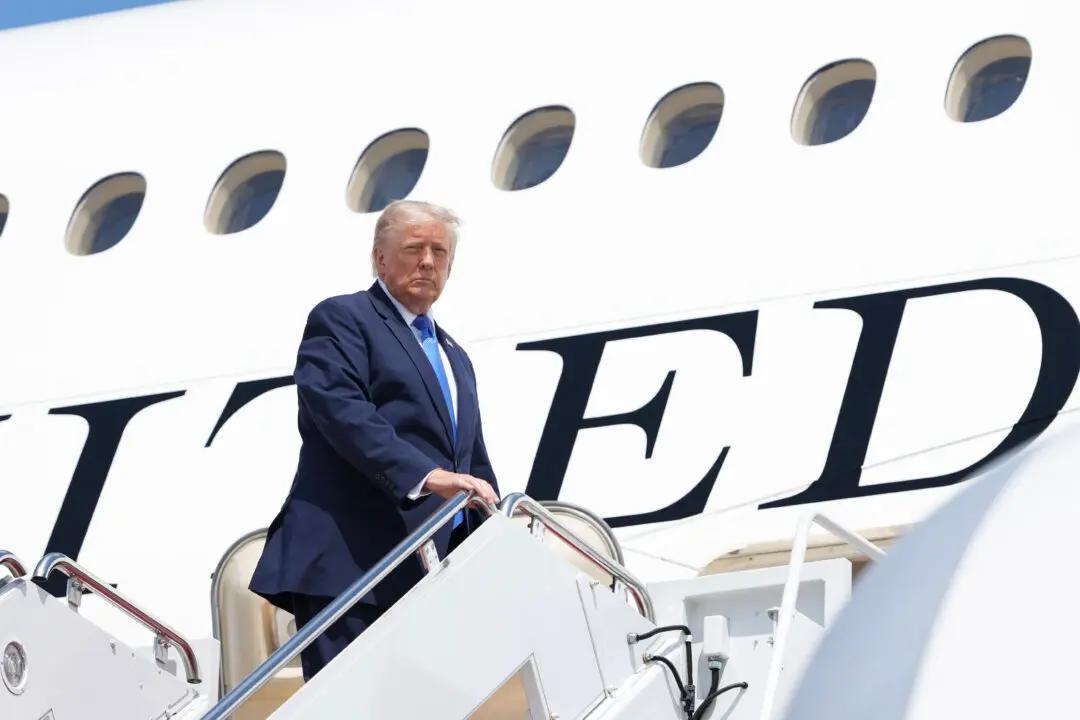
Oklo’s Groves Isotope Test Reactor achieves criticality in a Texas plant where the company plans to build them to order and ‘at scale,’ perhaps by late 2026.
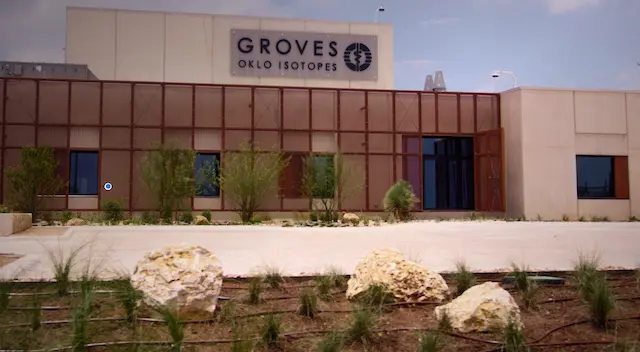
A purported Oman–Iran deal and the pending pact Trump is touting are stopgaps that will require revising the decades-old ‘Law of the Sea,’ experts say.

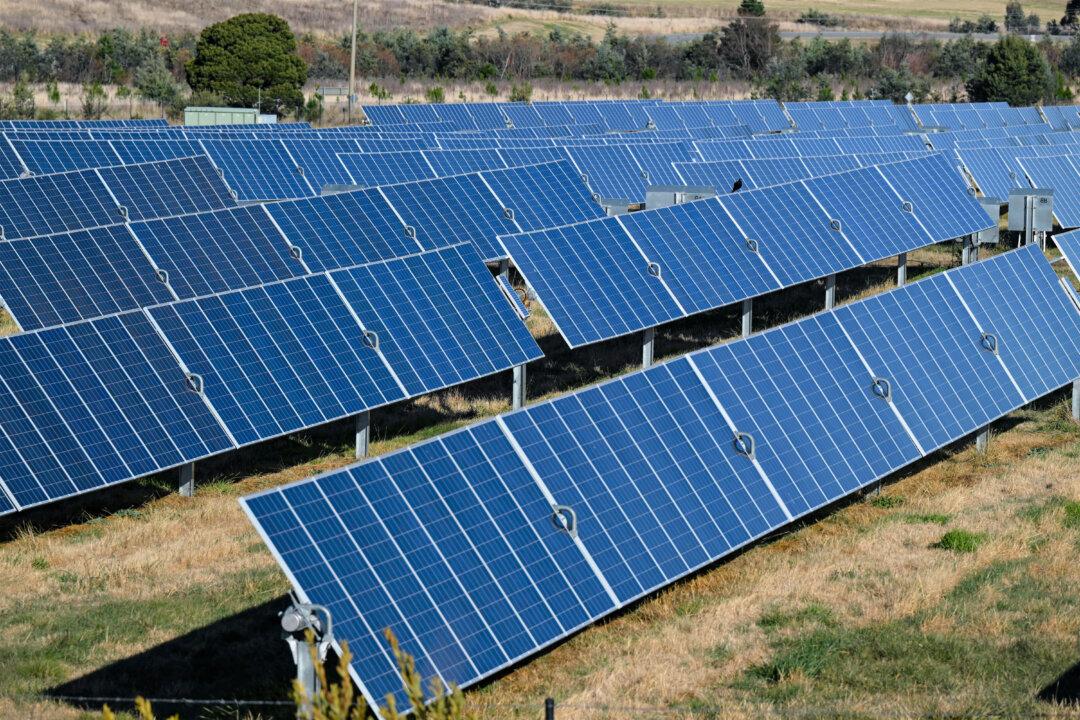
‘Aluminium accounts for more than 88 percent of the metal in a solar panel,’ said AAC CEO Marghanita Johnson.
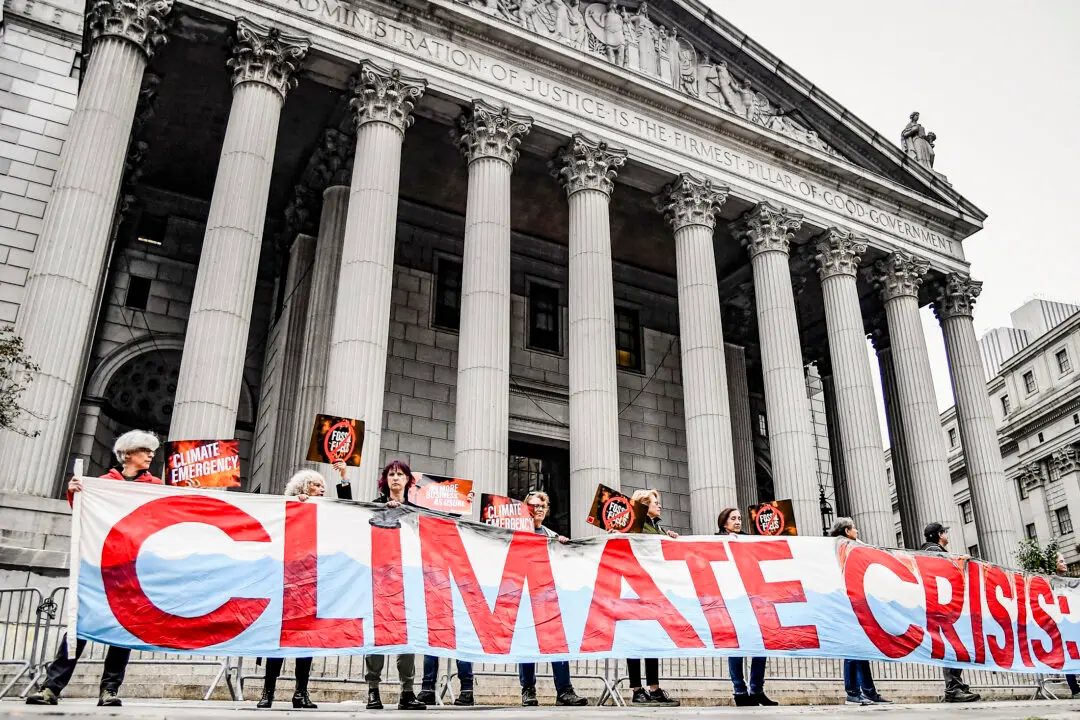
Critics say climate-related sections of reference manuals used by judges are biased and lacking in scientific rigor.
Up to 29 percent of discarded solar panels could be repurposed, a start-up has said.

Up to 16 solar and battery developments could benefit.
‘The cumulative value of Australia’s end-of-life panels is predicted to exceed $1 billion by 2035,’ said ATSE Acting CEO Peter Derbyshire.

British Prime Minister Andy Burnham said he intends to take a pragmatic approach to North Sea oil and gas development.

The seasonal relief in gasoline prices seen in August 2025 may not happen this time around due to persistently-high crude oil prices.
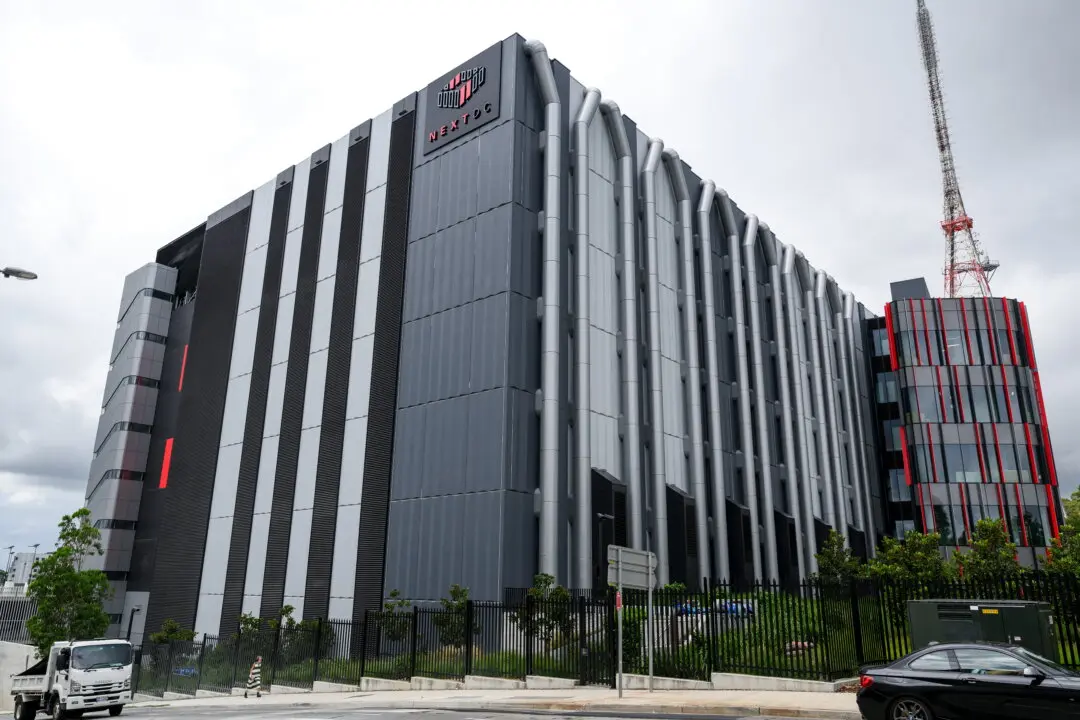
The two northern jurisdictions rejected a Commonwealth plan to force AI data centres to underwrite new renewable power, exposing a widening federal-state rift.
The project would transform a former uranium-enrichment plant into a data center and power-generation hub.
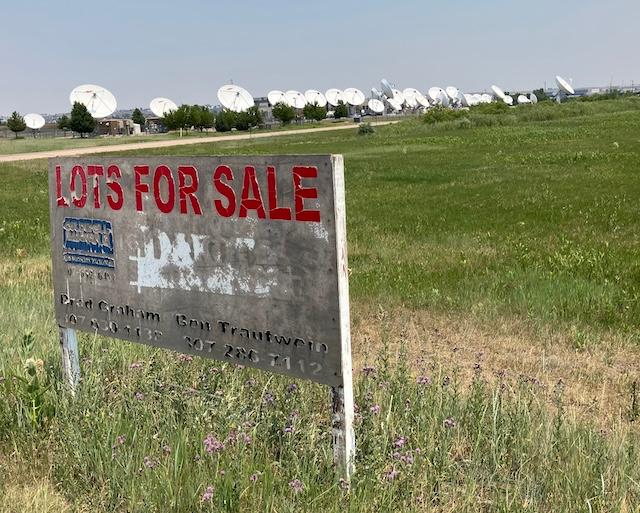
Opponents launched a petition drive to force a referendum on hyperscaler development in Wyoming’s capital city, a rapidly emerging global nexus for AI projects.