A three-judge federal appeals panel is expected to issue a decision by year’s end on a lawsuit challenging Energy Secretary Chris Wright’s May 2025 emergency order that prevented a Michigan utility from closing a 64-year-old coal-fired power plant.
Wright has issued five 2025 emergency orders under Section 202(c) of the Federal Power Act mandating that decades-old coal-fired generators in Michigan, Washington, Indiana, and Colorado, slated to be shut down by utilities, must continue operating or, at least, remain operable. This would ensure that regional transmission electrical grids have the baseload capacity to provide enough power during extreme winter and summer weather stresses, the orders say.
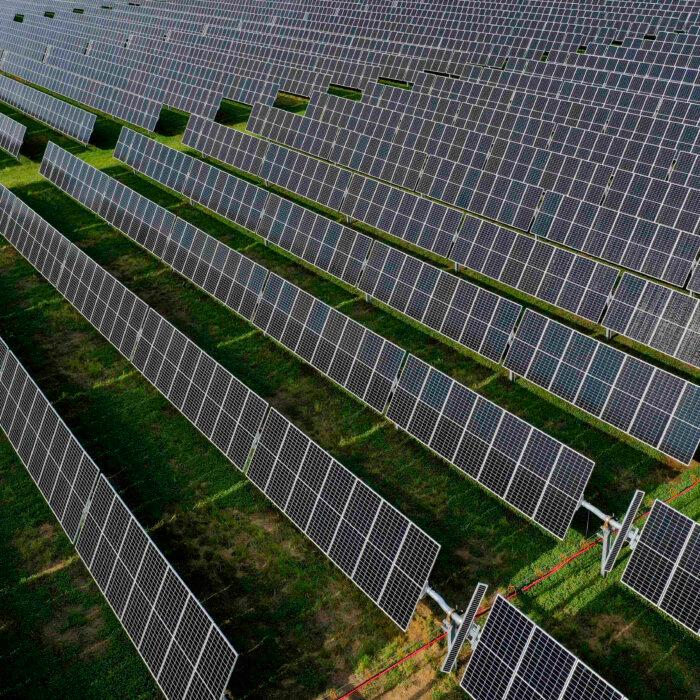
Wright, in public comments and in fiscal year 2027 budget hearings, maintains that the orders—90-day emergency mandates he has repeatedly reissued—have prevented the retirement of more than 17 gigawatts of coal-powered generation, enough electricity to power up to 17 million homes. He has said that renewable energies encouraged by the Biden administration and some Democrat-led states are weather-dependent, costly, and reliant on imported materials, including from China.
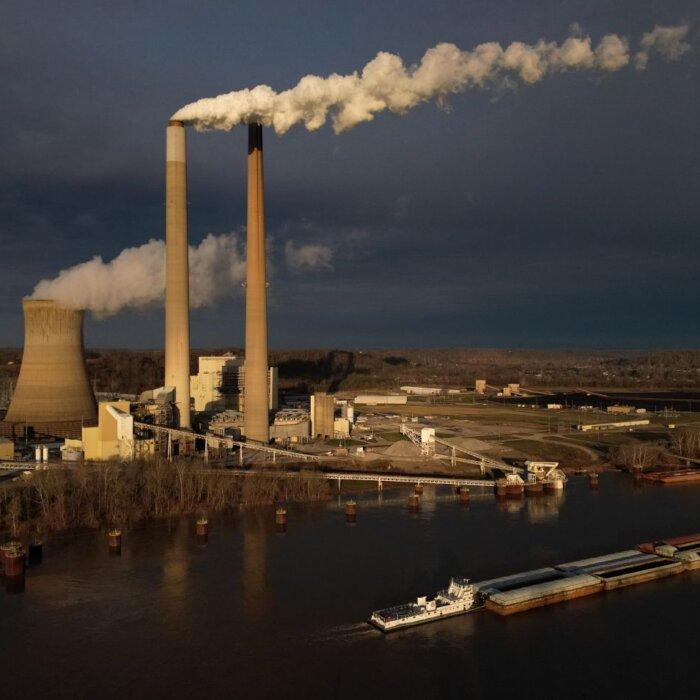
“We pushed the grid to the edge. Coal kept things alive,” Wright said. “If we don’t extend the life of these coal plants, we will continue to have ruinous rises in our electricity prices [and] will not be able to meet the challenge of re-shored manufacturing and winning the AI race against China.”
Congressional Democrats have said those orders have cost the nation’s electricity customers more than $500 million, noting that the five aging plants are not operating at significant capacity. Among the claims made in lawsuits challenging the mandates—including by Michigan, Illinois, and Minnesota in the case heard on May 15—is that the federal government is exceeding its authority by dictating to local utilities which energy source they choose.
Although each plant and closure is different, they have similarities, and the fallout from the rulings could boost or derail the Trump administration’s campaign to revive the nation’s coal industry.
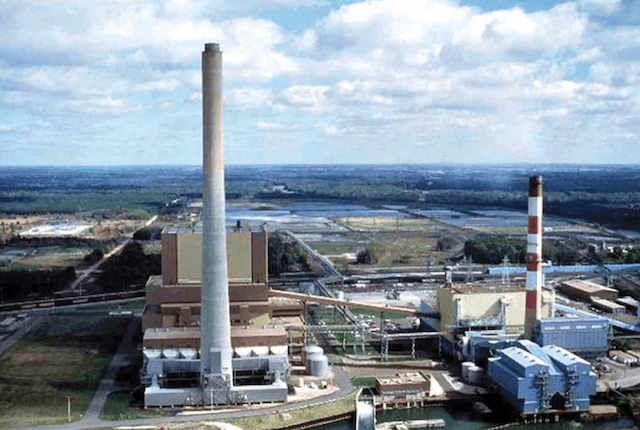
Michigan: J.H. Campbell
The J.H. Campbell power plant in West Olive, Michigan, operated by Consumers Energy, a subsidiary of CMS Energy, opened in 1962. It was scheduled to shut down on May 31, 2025, and be replaced by a plant fueled with a combination of natural gas, renewable energies, and battery storage in Covert, Michigan.Wright’s order said that keeping the plant open was necessary “to minimize risk of blackouts and address critical grid security issues in the Midwestern region of the United States ahead of the high electricity demand expected this summer.”
That expense was offset by selling $155 million in electricity to utilities across 11 states within MISO’s grid. Overall, CMS Energy tabulates that it has incurred $180 million in operating losses—about $631,000 per day.
Consumers Energy has petitioned the Federal Energy Regulatory Commission for permission to recoup $135 million from MISO ratepayers and is seeking to recover $43 million from the Department of Energy in costs incurred to comply with the federal order.
Wright maintains that the costs of keeping Campbell and other coal-fired plants open are outweighed by the risks, including potential loss of life, when electricity goes out, especially in winter.
He said Campbell “was integral in stabilizing the grid,” providing 650 megawatts of electricity per day—enough power for 600,000 homes—during Winter Storm Fern, from Jan. 21 to Feb. 1.
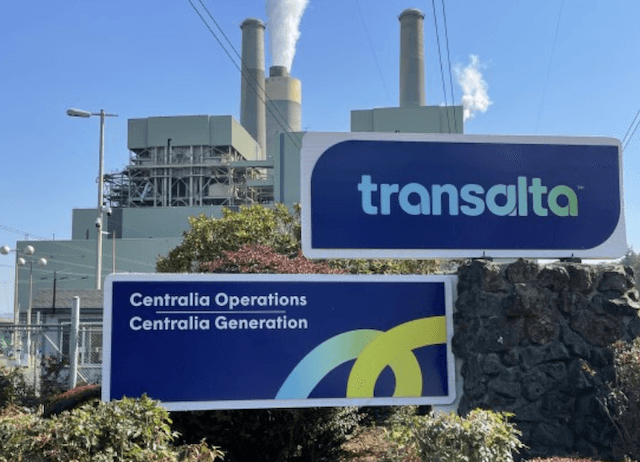
Washington: Centralia
Wright issued an emergency order on Dec. 16, 2025, mandating that TransAlta keep its coal-fired Centralia Generating Station Unit 2 operating beyond its planned Dec. 31 closure.The Centralia plant is “essential” for the Northwest’s grid stability, he said in the order, referring to the North American Electric Reliability Corp.’s 2025–2026 Winter Reliability Assessment, which determined that the region was at “elevated risk” of power shortages during extreme weather, including cold snaps. Wright extended the order in March by 90 days through June 14.
The company said the order derailed its plan with Puget Sound Energy to convert the plant to natural gas by 2028.
Indiana: Schahfer, Culley
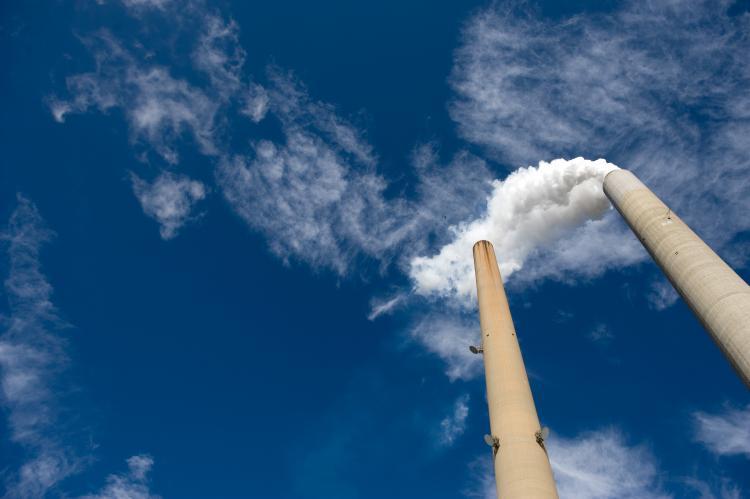
On Dec. 23, 2025, Wright issued an order preventing the planned Dec. 31, 2025, closures of two coal-fired units at the R.M. Schahfer power plant in Wheatfield, Indiana, operated by Northern Indiana Public Service Co., and the coal-fired F.B. Culley power plant near Newburgh, Indiana, operated by CenterPoint Energy.That 90-day emergency order was renewed in March, requiring Schahfer’s two coal-fired units—built in 1983 and 1986—and Culley to remain operable at least through June 21.
Among the reasons Wright cited in the emergency order for keeping the plants operable, if not fully operating, was the same strain on MISO’s grid to which he referred in his Michigan order.
The December order also noted that it’s difficult for coal-fired generators “to resume operations once they have been retired.”
During a March 24 hearing before the Indiana Utility Regulatory Commission, Northern Indiana Public Service Co. President Vince Parisi said that keeping Schahfer’s two coal-fired units open cost the utility “in excess of $100 million.”
One of the two coal-fired units ordered to remain operable had been shuttered since summer and remained offline, he said.
CenterPoint President Michael Roeder said during the hearing that it had cost his utility at least $18 million to keep its F.B. Culley Unit 2 plant operating during the first three months of the year.
In his March 23 order extending the emergency another 90 days, Wright said that during Winter Storm Fern, Schahfer generated more than 285 megawatts daily and Culley pushed 30 megawatts a day into MISO’s stressed grid.
R.M. Schahfer gets its coal primarily from Wyoming’s Powder River Basin and, to a lesser extent, the Illinois Basin. Culley’s coal is shipped from Oaktown mines southwest in Indiana’s Knox County.
Colorado: Craig
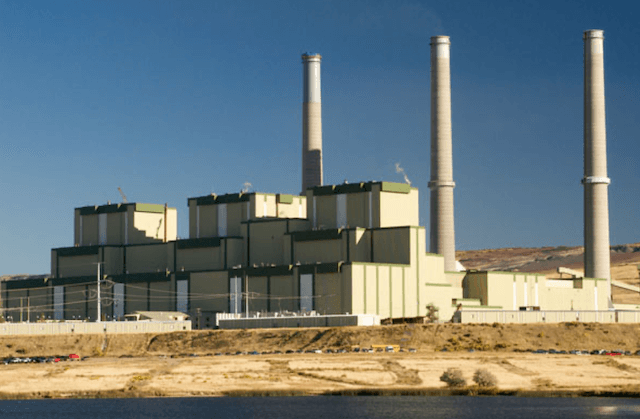
On Dec. 30, 2025, Wright issued an emergency order directing Tri-State Generation and Transmission Association, the Platte River Power Authority, Salt River Project, PacifiCorp, and Xcel Energy’s Public Service Company of Colorado to ensure that the Craig Station Unit 1 coal-fired plant in Craig, Colorado, “remains available to operate.”Citing the North American Electric Reliability Corp.’s 2024 Long-Term Reliability Assessment for Colorado and the Western Electricity Coordinating Council, Wright said, “I determined the [council’s] area faced a significant amount of retiring baseload generation resources and has concerns in meeting demand.”
Keeping Craig Unit 1 online “would help prevent the loss of power to homes and businesses that would otherwise pose a risk to public health and safety,” he wrote.
The plant, built in 1974, was scheduled to shut down on Dec. 31. On March 30, the order was extended for 90 days.
Craig, about 200 miles northwest of Denver and with a 2020 census population of about 9,000, was a major energy hub in the 1970s–1980s for the Western Area Power Administration’s Rocky Mountain Region and Southwest Power Pool regional grid because of its nearby coal mines, including Trapper Mine.
The four owners of the two coal-fired plants within the three-unit power complex in north-central Colorado had planned the closures since 2016.
Tri-State, a not-for-profit electricity wholesaler owned by the 43 cooperatives and municipal power districts, and Platte River, a nonprofit utility operator, said the coal-fired plants were no longer needed because their generation had been exceeded by new solar and wind developments.
A December 2025 analysis by Grid Strategies calculates that it could cost $85 million to $150 million annually to keep Craig 1 operating, in addition to concurrent expenses in operating new wind, solar, and transmission projects.