The swastika is a symbol used by of one of the most hated men on Earth, a symbol that represents the slaughter of millions of people and one of the most destructive wars on Earth. But Adolf Hitler was not the first to use this symbol. In fact, it was used as a powerful symbol thousands of years before him, across many cultures and continents.

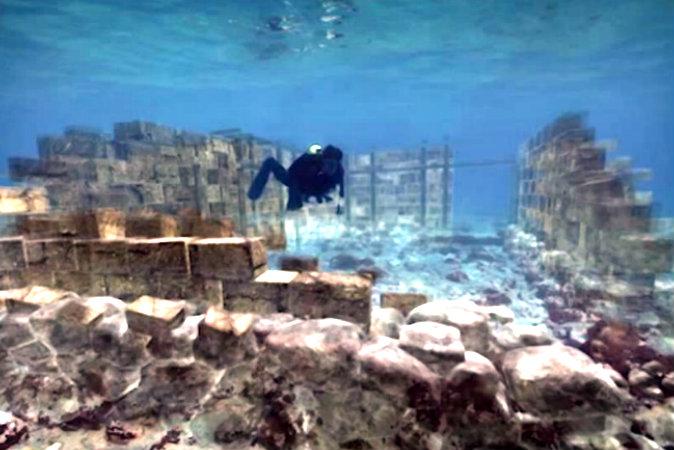
In the Peloponnesus region of southern Greece there is a small village called Pavlopetri, where a nearby ancient city dating back 5,000 years resides.
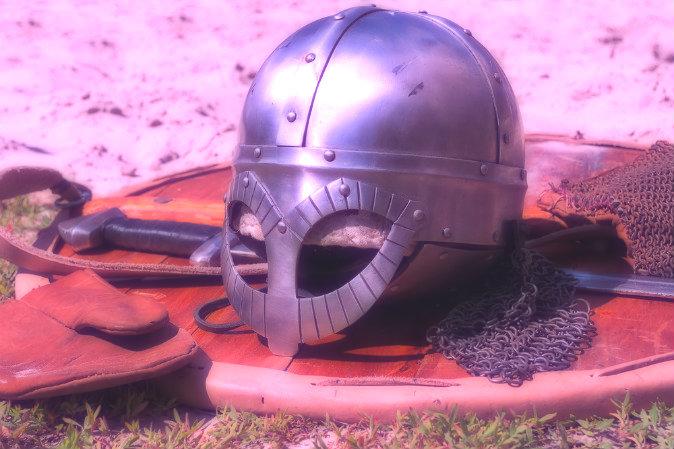
Archaeologists in Scotland discovered an 11th century Viking parliament underneath a parking lot in the town of Dingwall.
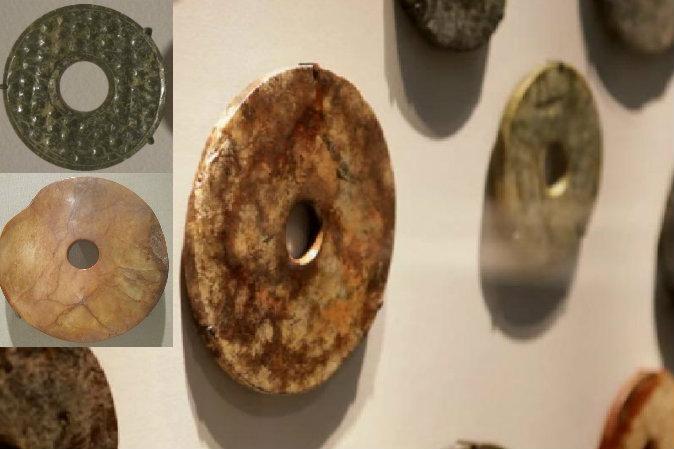
In ancient China, dating back to at least 5,000 BC, large stone discs were placed on the bodies of Chinese aristocrats.
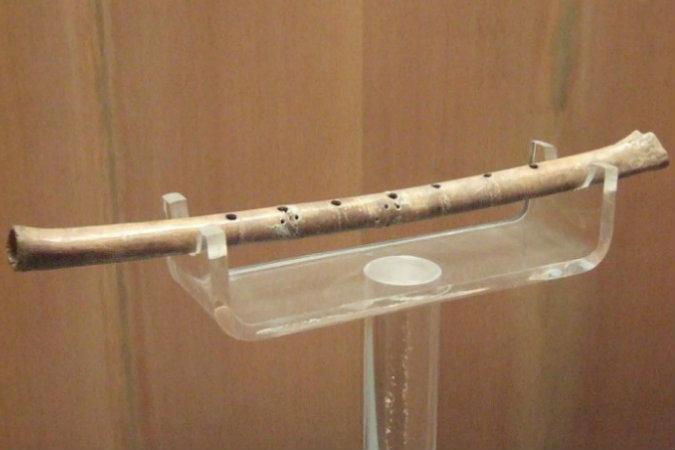
Researchers in China discovered six complete ancient flutes made of bone belonging to the Neolithic period carbon dated to about 9,000 years old. Fragments of many more flutes were found in the same area too.
The Hopi believed that the gods came up from the ground. The Hopi Ant People inside the Earth resemble the ‘grey aliens’ we depict today.

Sumer, or the ‘land of civilized kings’, flourished in Mesopotamia, now modern-day Iraq, around 4500 BC. According to the ancient texts, each Sumerian city was guarded by its own god; and while humans and gods used to live together, the humans were servants to the gods. The Sumerian creation myth can be found on a tablet in Nippur, an ancient Mesopotamian city founded in approximately 5000 BC.

When describing the discovery of an ancient love letter placed upon the body of a loved one, Chris Scarre, head of the archaeology department at the University of Durham, said: “Archaeologists who investigate tombs are often moved to wonder about the character of the deceased, the thoughts of the mourners and their hopes and fears on the passing of a person dear to them.”
Some of the world’s most brilliant scientists have investigated whether time travel could one day be made a reality and references to time travel are ubiquitous in ancient lore.

In Norse mythology, Ragnarok is a series of apocalyptic events that will define the end of the world, where giants of frost and fire will together fight the gods in a final battle that will ultimately destroy the planet, submerging it under water