Matthew’s Arnold’s haunting poem, “The Buried Life,” describes our yearning to know our own heart.
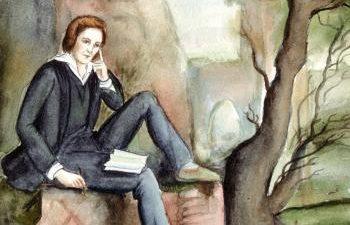
This drama of reading is beautifully conveyed in Percy Shelley’s short lyric, taken from his play Prometheus Unbound.
In the beginning was the Word. Or should that be Music? In Dryden’s song, it is the power of a “tuneful voice” that plucks life and delight from primal chaos.

How many of us long for an epiphany—some flash of insight to redeem the dull succession of identical hours. Time passes and nothing happens. No inspiration strikes, no light falls. And yet we still like to believe there could be, at any moment, some sign or wonder that could make all the difference between existing and truly living. In the meantime, we flicker between thought and action, hope and boredom, dream and reality.

A reading of ‘The Rime of the Ancient Mariner.’
This poem describes perhaps one of the greatest and most excruciating delights in life: watching people dance badly.

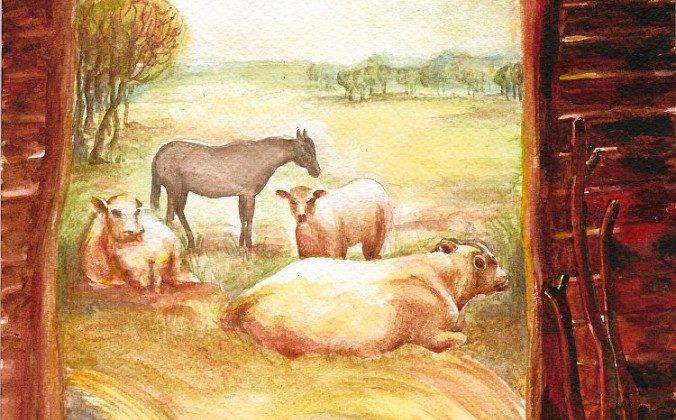
In Whitman’s poem we stare out of an ordinary barnyard door and the view is breathtaking and sublime.
Inspired by Chesterton’s poem, it is up to us to imagine his plain voice of wonder and his humble voice of truth.