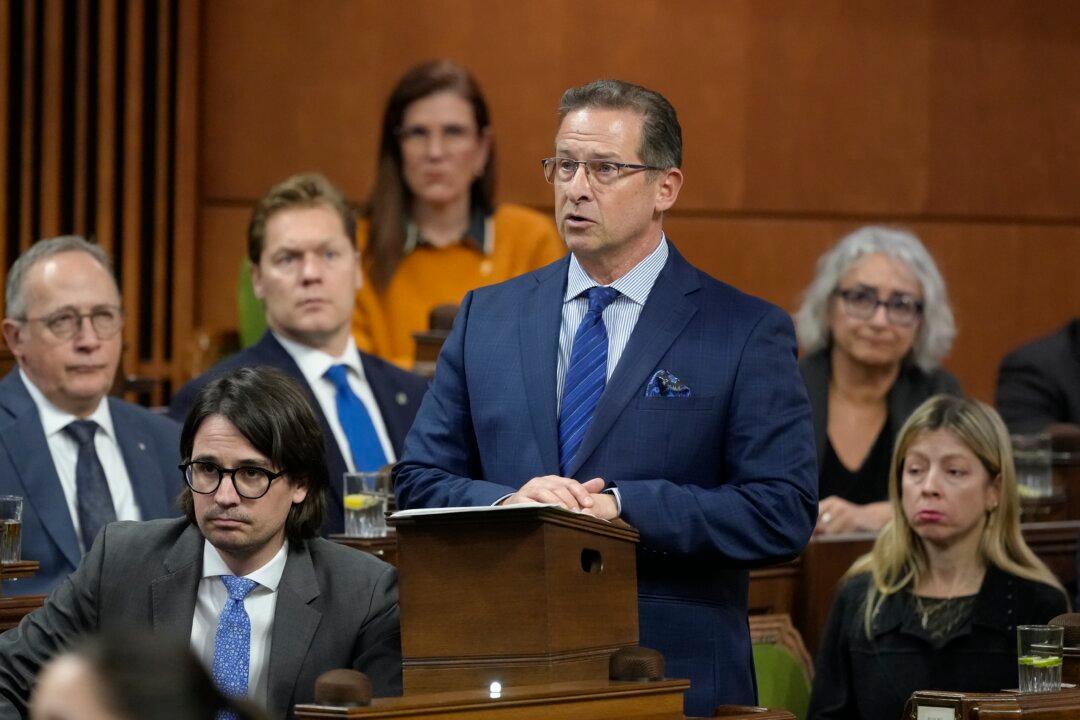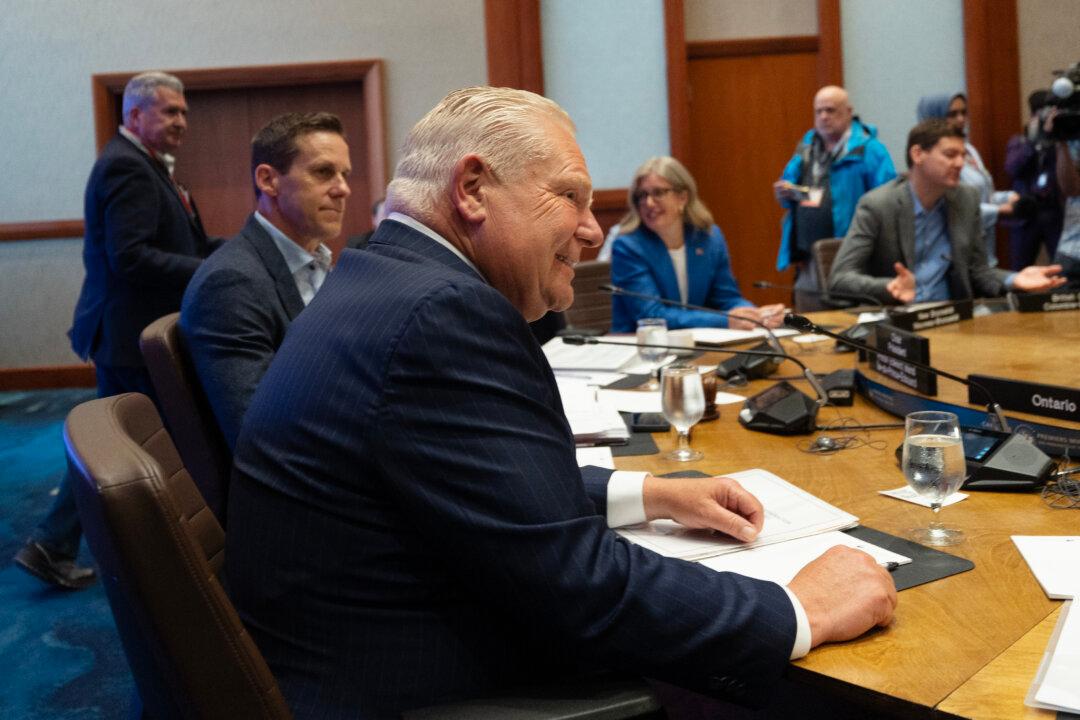
The U.S. administration said the move stemmed from concerns that Canada is not meeting its defence commitments. But more could be at play given the current strained ties between the North American allies.
Colby also posted a link to Prime Minister Mark Carney’s January speech at the World Economic Forum in Davos, Switzerland, in which he used thinly veiled criticism directed at U.S. policies and called on middle powers to resist the “coercion” of great powers.
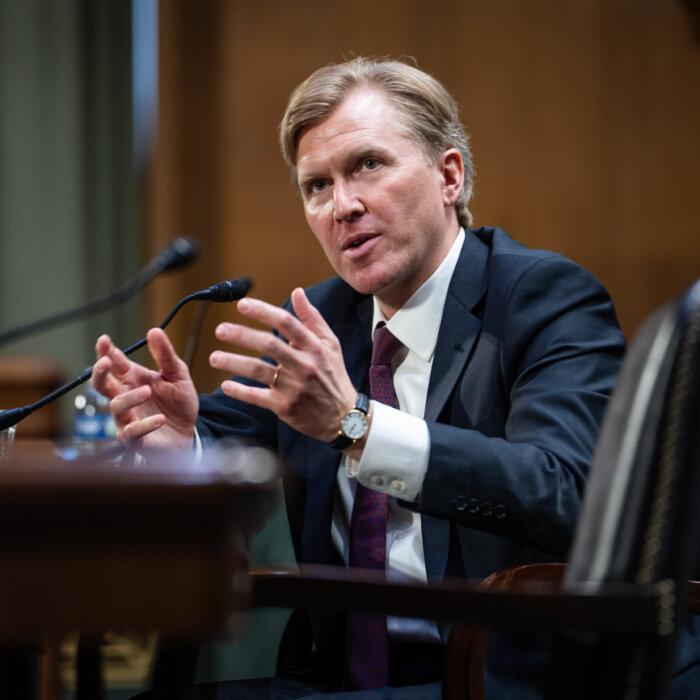
“We can no longer avoid the gaps between rhetoric and reality,” Colby said in his post, adding that “real powers must sustain our rhetoric with shared defense and security responsibilities.”
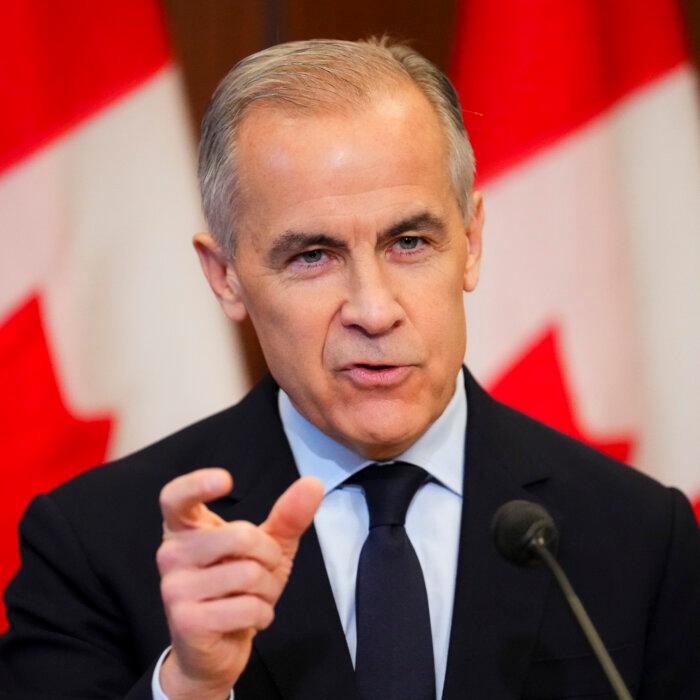
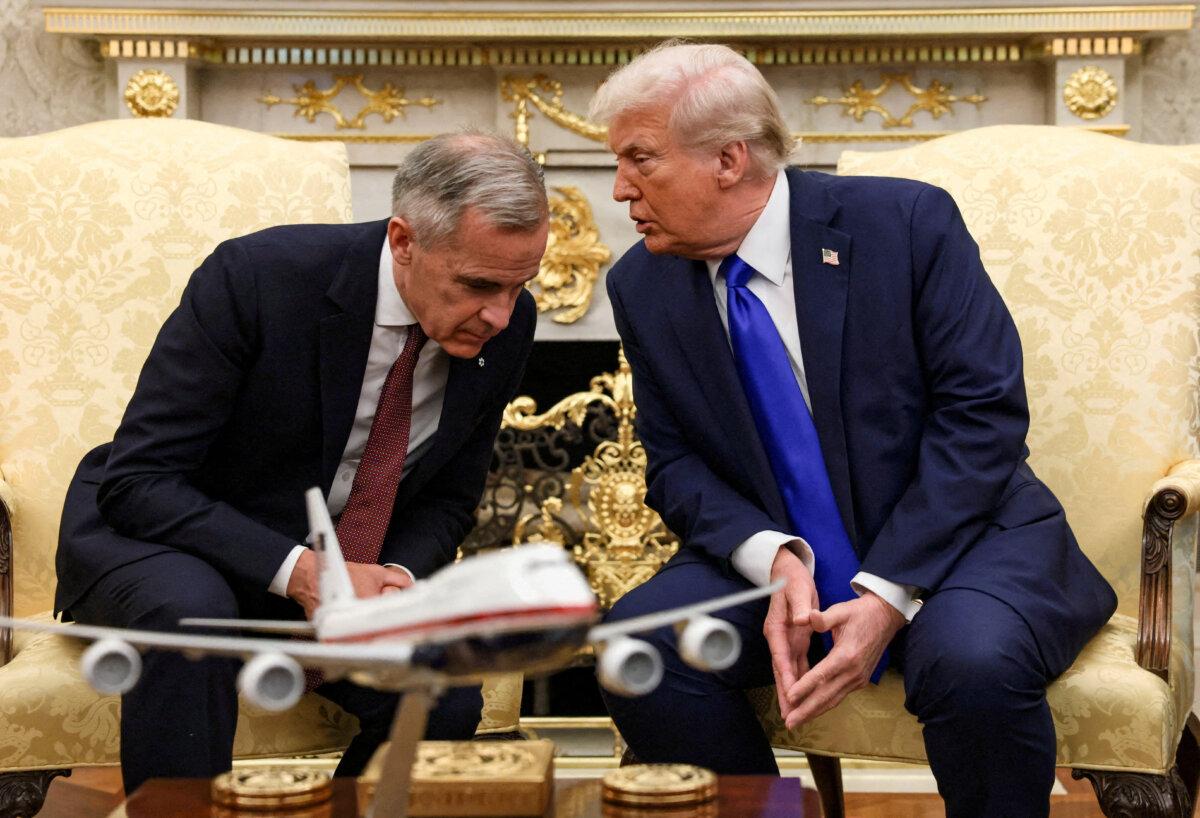
Although Carney dismissed the significance of Washington’s decision to suspend the board when commenting on the issue on May 19, it is unlikely he missed the signal. Whether it changes his calculus in managing the broader Canada-U.S. relationship, or affects the upcoming July review of the Canada-United States-Mexico Agreement (CUSMA), remains to be seen.
In his remarks to reporters, Carney said the defence board has a “long heritage“ but that he ”wouldn’t overplay the importance of this.”
Impact
Amid the messaging from Ottawa and Washington, several key questions remain—how significant is the suspension of the defence board, what consequences could flow from it, and is the United States using the issue to pressure Canada on defence and other files?“It seems that over time the need to meet twice a year is not there anymore, and it may be because of the Military Cooperation Committee is maybe more active and maybe more important in terms of what it does,” Leblanc told The Epoch Times in an interview.
Leblanc said he sees no issue with the United States wanting to pause activities of the defence board for a review, noting that the body is more at the political level rather than the working level. He also expressed concerns about the U.S. military’s direction under Trump.
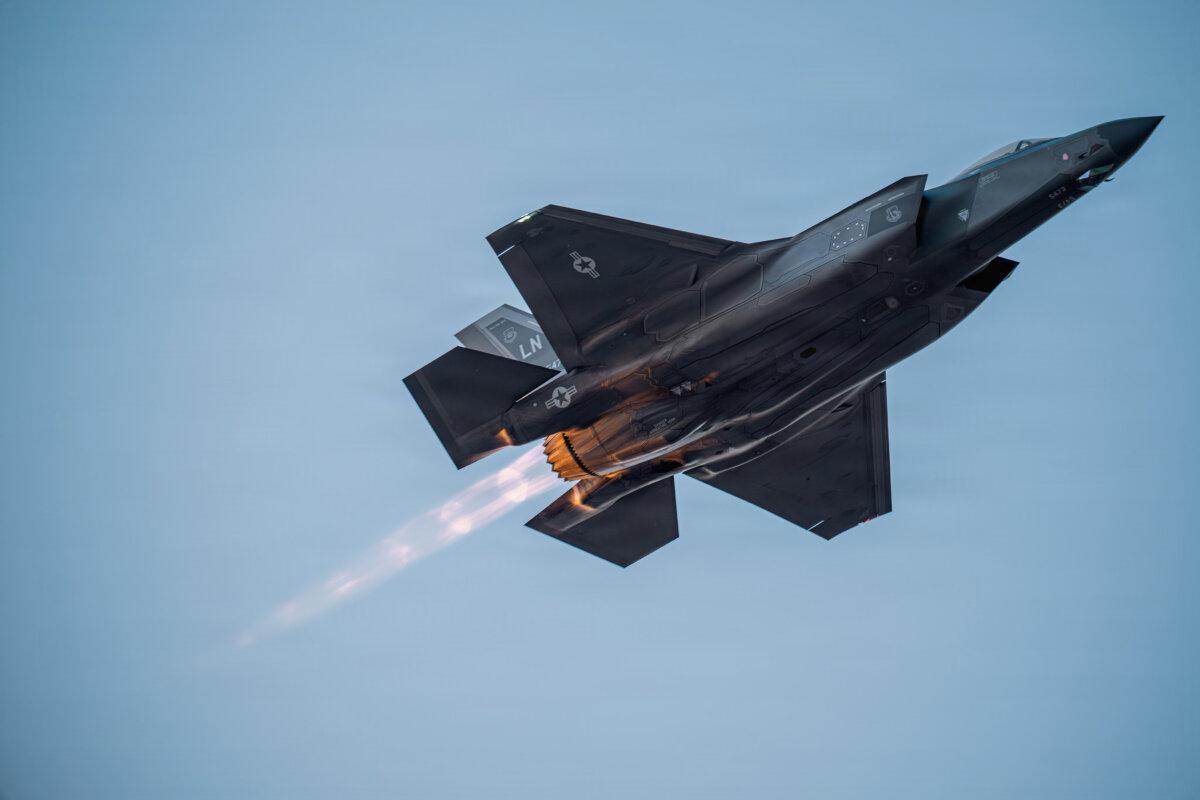
The retired colonel said the move by Washington is perhaps a political one, noting it could be related in part to Canada pausing its purchase of additional F-35s fighter jets from U.S. company Lockheed Martin, or it could have stemmed from Carney’s Davos speech.
Carney ordered a review of the F-35 purchase shortly after he took power in March last year, and Ottawa says it has remained ongoing ever since. As for the Davos speech, Trump and his top officials have criticized it openly and at length.
Strong Cooperation
Beneath the political noise, however, Leblanc says robust cooperation is being maintained at the working level.“I’ve had ... one senior member of the U.S. Coast Guard personally telling me to ignore all the fluff at the top, that at the worker level we continue as if nothing had happened,” he said.
The message from top Canadian officials has been the same, including from Defence Minister David McGuinty, who said cooperation has remained seamless.
Brulotte said Washington’s frustration over defence issues is genuine, even as Ottawa has increased spending, pointing to a gap between announced commitments and deployed capabilities. He added the decision to suspend defence board meetings could also have a broader political element.
According to one military expert, there is blame to be laid on both sides for the state of the relationship and the U.S. decision to suspend defence board meetings.
“The bulls in the china shop in Washington are trying again to throw their weight around,” military historian David Jay Bercuson told The Epoch Times in an interview. Bercuson, a professor at the University of Calgary, said the defence board is rather symbolic, whereas the Canada-U.S. military relationship is deep and extensive.
Bercuson emphasized that Ottawa delaying the F-35 purchase is a key source of frustration for the United States and finalizing the deal would “at least put one major irritant to bed.”
The federal government purchased 16 jets out of an initial commitment of 88 and has since messaged that it could turn to the Saab Gripen aircraft to complete its fighter fleet.
Bercuson said the Liberal government is making an effort to rebuild the military with increased investments while at the same time “playing politics” in certain areas of defence procurement.
“The problem is, they’re playing politics with this fighter jet business, absolutely playing politics, no excuse whatsoever for not completing the purchase, not one,” he said.