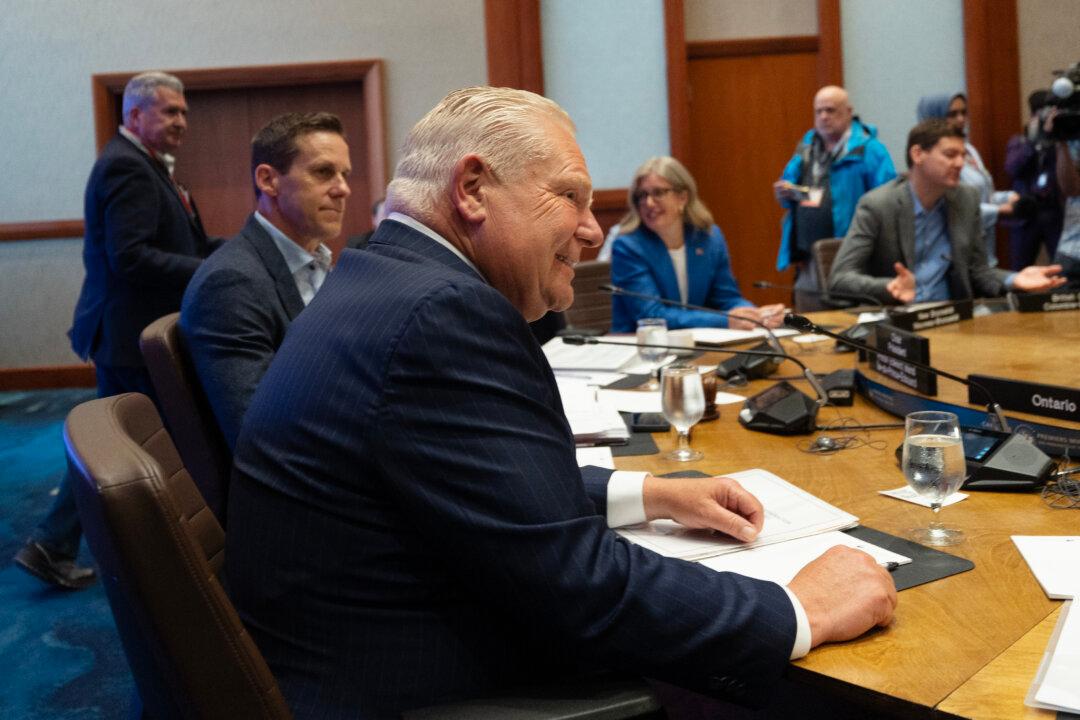
A few days after threatening a wave of counter-retaliatory tariffs on Canada, the U.S. administration imposed a separate new tariff of 10 percent on the country.
The new tariff, which took effect on July 24, is part of a broader U.S. trade action targeting 60 trading partners that Washington says do not effectively prohibit or enforce bans on goods made with forced labour.
The move came after the U.S. Supreme Court in February struck down global tariffs imposed under emergency powers, saying U.S. President Donald Trump had overstepped his authority.
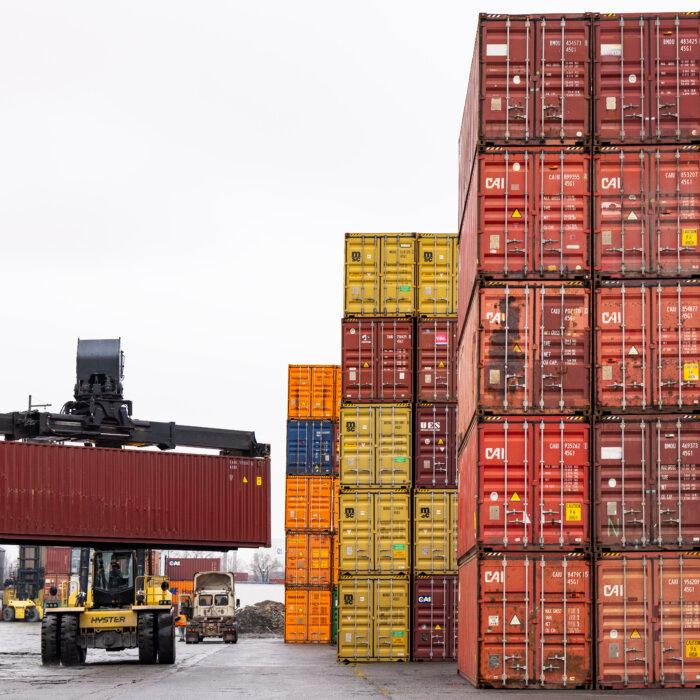
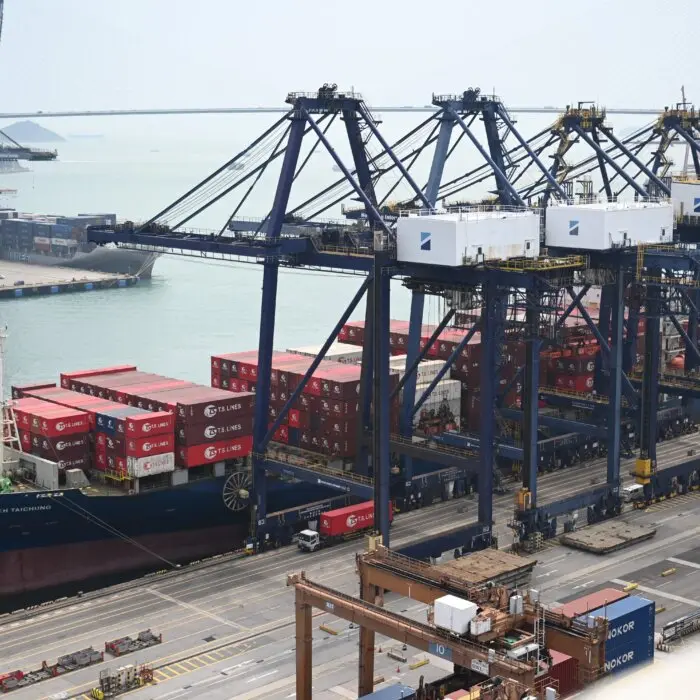
The Section 301 tariffs, which took effect July 24, were implemented at the same time as the Section 122 tariffs expired.
The 10 percent tariff was imposed on U.S. trading partners deemed not to be effectively enforcing prohibitions on goods made with forced labour. This includes Canada, the European Union, Ecuador, Indonesia, Mexico, and Pakistan.
Canada and Mexico will benefit from an exemption for goods covered by the Canada-United States-Mexico Agreement (CUSMA) on free trade. Over 85 percent of goods have been able to cross the border tariff-free amid the current trade conflict.
Fifty-four other economies face a higher tariff, of 12.5 percent, for allegedly not imposing or effectively enforcing a prohibition. Those include Western economies such as Australia and the United Kingdom, as well as countries that have faced long-standing allegations of widespread forced labour, including China.
LeBlanc added that Canada shares the U.S. objective to ensure supply chains are free from forced labour.
“That is why Canada has one of the world’s most robust frameworks to prevent and address forced labour, backed by strong legislative and enforcement measures,” he said, adding that new legislation aims to reinforce the framework.
The new U.S. trade action adds another piece to the puzzle for the Canadian government, which is trying to avoid Trump’s sectoral tariffs on key industries like metals and autos as it deals with a new threat of a 50 percent tariff on a variety of Canadian goods.
The Trump administration announced the 50 percent tariff, set to come into force Aug. 19, in response to Canadian retaliatory actions on U.S. alcohol and autos, and to target Canada’s supply management system on dairy products.
Canada Rejects Tariff Rationale
After the Section 301 investigation was launched in March, Canada argued it has a “robust” regime to prevent the importation of goods made from forced labour.The bill would allow the foreign affairs minister to establish a list of goods suspected of being produced with forced labour. The onus on proving that goods are made without forced labour would shift to the importers. Currently, the Canada Border Services Agency (CBSA) has to prove that a shipment breaks the rules.
The impact on stopping goods made with forced labour from entering Canada has been minimal, however.
CBSA says that, as of July 9 this year, it intercepted 51 shipments suspected of containing goods made with forced labour. These included red dates, solar panels, auto parts, textile goods, agricultural products, and frozen seafood. Out of those, only two shipments—of textile products and seafood—were blocked.
“The remaining shipments were either permitted entry upon receipt and review of additional supply chain information, abandoned by the importer, or re-exported out of Canada prior to the CBSA making a formal determination,” CBSA spokesperson Rebecca Purdy told The Epoch Times.
From 2022 to 2026, U.S. Customs and Border Protection denied more than 24,000 shipments from entering the United States in accordance with the Uyghur Forced Labour Prevention Act, a law to prevent the importation of goods made with Uyghur forced labour. Uyghurs are an ethnic and religious minority from Western China persecuted by the communist regime.
Foreign Affairs Minister Anita Anand has declined to comment on what items could make it to the list of prohibited goods.
Opposition MPs have asked Anand whether Chinese electric vehicles could be added to the list of prohibited goods, as Ottawa plans to allow nearly 300,000 Chinese-made EVs into Canada at a preferential tariff rate over the next several years.