

Alberta Releases Classroom Complexity Report, Says Will Implement Recommendations

Alberta Releases Classroom Complexity Report, Says Will Implement Recommendations
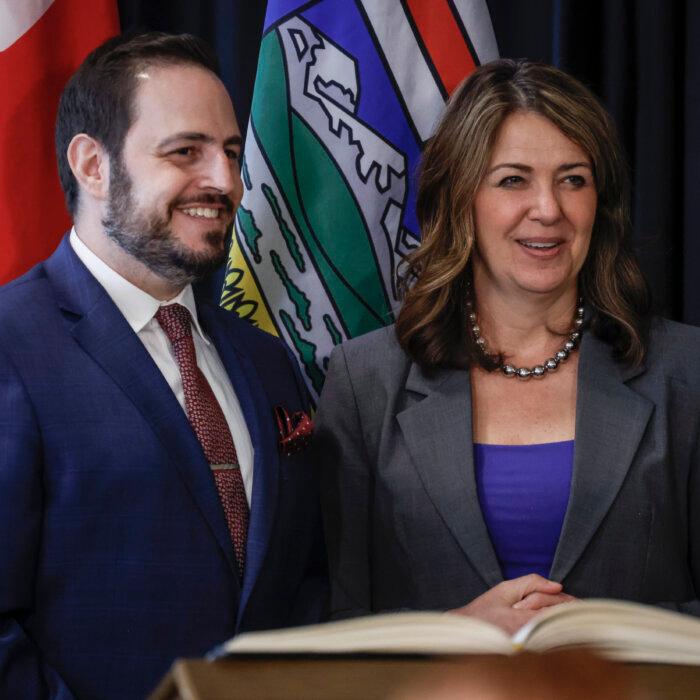
Alberta Premier Danielle Smith and Education Minister Demetrios Nicolaides at a press conference in Calgary on Oct. 17, 2025. Jeff McIntosh/The Canadian Press
|Updated:
0:00

The Alberta government has released a report outlining recommendations on classroom complexity in the province that it says will guide its work to address these issues going forward.

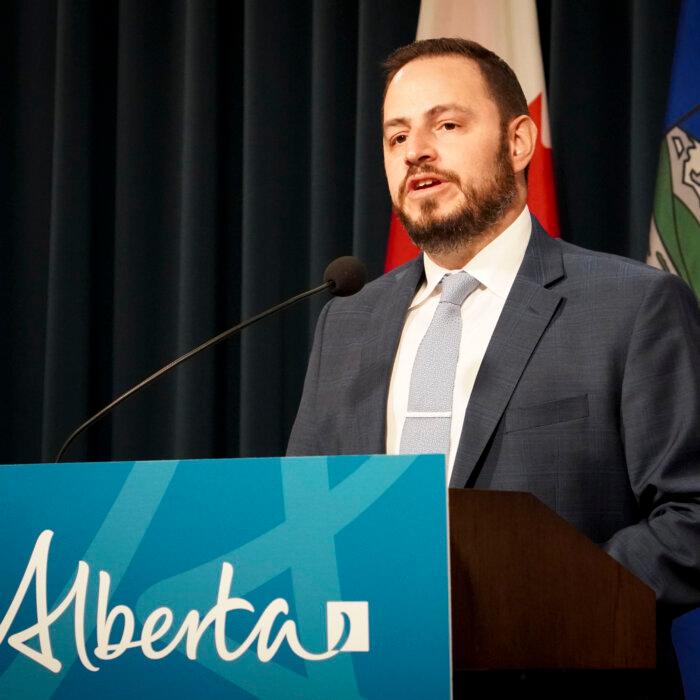
During a press conference in Calgary on Nov. 21, Alberta Premier Danielle Smith and Education Minister Demetrios Nicolaides announced the release of the final report from the Aggression and Complexity in Schools Action Team, a 25-member team established in June to provide guidance on classroom complexity in the province’s schools.
The report follows heightened attention to classroom complexity during the recent Alberta teacher strike and comes after the province announced a new cabinet committee to address the issue alongside class sizes.

“Our goal here is simple: to use these recommendations to create learning environments where every student can succeed,” Nicolaides said.

“I am confident this report gives us a clear path to tackle the challenges facing our classrooms,” he added. “The action team’s recommendations will help us move forward thoughtfully and effectively.”
The report identified a number of challenges in classrooms, including a rise in the number and severity of student needs that outpaces available supports, limited identification and early intervention for those needs, increased aggressive behaviour and emotional dysregulation among students, and large class sizes.

It also noted language barriers for newcomer students, along with a lack of resources and limited teacher availability to support them. Other challenges include rising mental health issues linked to COVID-19, increased social media use, and difficulty accessing qualified clinical professionals, the report says.

The document offers seven key recommendations. These include creating a new inclusive education policy framework that includes the supports students need; ensuring timely access to those supports; improving collaboration between school staff and families to address students’ medical, clinical, and therapeutic needs; and enhancing cross-ministry coordination to help families access services.

The team also recommends expanding early-intervention programs, strengthening pre-service training for educators, and supporting teachers’ ongoing professional learning and capacity building.

The action team was made up of teachers and education partners, and it consulted with educators, school administrators, education specialists, community groups, disability organizations, and others to develop its recommendations, the province said.

Premier Smith said the government is already collecting data that will, along with the report, guide the province’s work on classroom complexity and class sizes.

The recommendations, she said, will be implemented over the next few months through decisions made by the Class Size and Complexity Cabinet Committee, a nine-member group announced on Nov. 7 that will determine how resources are directed to the classrooms that need them most.
Teachers across Alberta recently held a three-week strike calling for measures to address classroom size and complexity, in addition to higher pay. Teachers were ultimately legislated back to work after the province in late October invoked the notwithstanding clause of the Charter to end the strike.
The Alberta Teachers’ Association has filed a legal challenge to the province’s back-to-work legislation, saying it seeks to overturn sections of the Act “that deprive teachers of their right to engage in collective bargaining and engage in labour action.” It is also seeking an injunction to stay the legislation until the court makes a decision about the legal challenge.
Smith has said she has heard “loud and clear” the concerns from teachers and parents about classroom sizes and complexity, and that her government is committed to addressing the issue promptly.

Meanwhile, Amanda Chapman, NDP MLA and shadow minister of education, said the province’s recent measures to address classroom complexity are “too little, too late.”

“We’ve been calling on the government to tackle these challenges for years, but all they’ve done is duck and dodge responsibility,” Chapman said at the legislature on Nov. 17.

Nicolaides said during the Nov. 21 press conference that “complexity and class sizes are very challenging issues, and while we are moving very quickly to get solutions in place, it will take some time to see improvements.”

He added that he’ll be leading the creation of a teacher advisory council, with details to be released in the coming weeks, to ensure the provincial government hears directly from teachers.