



The Alberta government is creating a cabinet committee to study class sizes and classroom complexity in the province’s public education system, tasked with advising on policy and how resources should be allocated to address the issues.
Based on data gathered through consultations with school boards on class sizes and classroom composition, the committee will provide policy guidance and decide how to allocate resources to classrooms that need it the most, the province said in a Nov. 7 press release.
Education Minister Demetrios Nicolaides said the committee is being formed to respond to concerns from teachers across Alberta, who recently held a three-week strike calling for measures to address classroom size and complexity, in addition to higher pay.
“We heard teacher concerns, and we are providing solutions,” Nicolaides said. “The Class Size and Complexity Cabinet Committee will help us take immediate action and ensure teachers and students are given the support they need to succeed.”
The nine-member committee will be co-chaired by Premier Danielle Smith and the education minister, and will include cabinet members such as Minister of Assisted Living and Social Services Jason Nixon, Minister of Mental Health and Addiction Rick Wilson, and Minister of Child and Family Services Searle Turton. It will also include non-voting members representing school boards, administrators and the Alberta Teachers’ Association (ATA).
The committee will hear from school boards, academic experts, teachers, educational assistants, complex needs specialists, and parents to inform its decision-making, the province said.
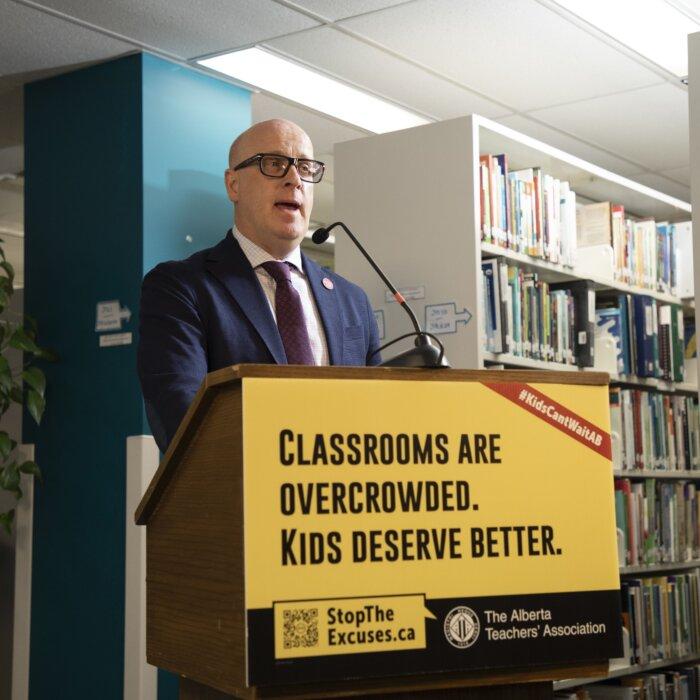
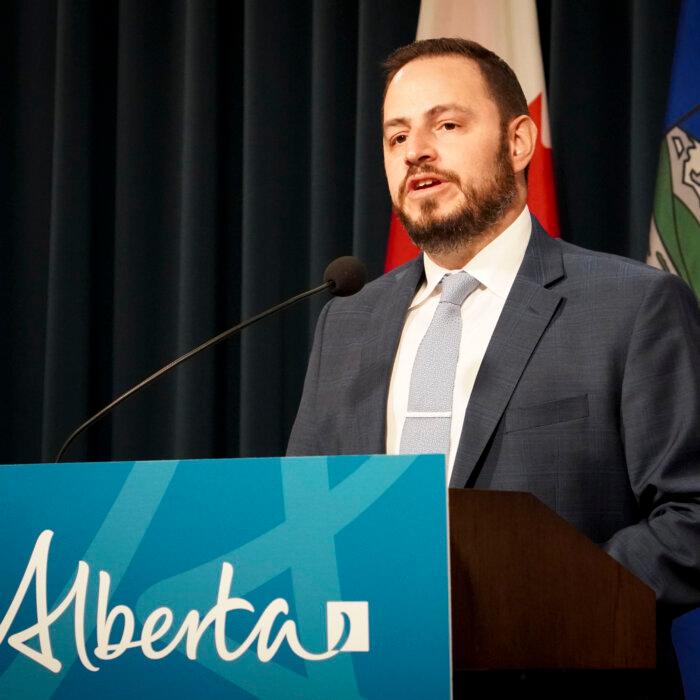
The committee will also guide the province’s commitment to hire 3,000 more teachers and 1,500 more educational assistants over the next three years. That commitment is part of a bargaining offer the province put forward earlier but that had been rejected by teachers in a vote. The province’s offer was implemented when the government passed back-to-work legislation to end the strike late last month.
The ATA has filed a legal challenge to the province’s back-to-work legislation, saying it seeks to overturn sections of the act “that deprive teachers of their right to engage in collective bargaining and engage in labour action.” It is also seeking an injunction to stay the legislation until the court makes a decision about the legal challenge.
In introducing the cabinet committee during a Nov. 7 press conference, Premier Smith said the province “recognize[s] that while classes resume there are issues that remain,” and added that the new initiative will focus on addressing them promptly.
“We hear loud and clear from both teachers and parents your concerns about the complexity and size of your classrooms,” she said. “[The committee] is not just another working group or panel–this is a committee ready to make decisions and implement change immediately and with urgency.”
The province will be collecting data on class sizes and classroom composition throughout November and plans to begin releasing this information annually, starting in January.
The province will also soon release a report from the Aggression and Complexity in Schools Action Team, which was established in June to advise on classroom complexity. The cabinet committee plans to begin implementing recommendations from the report over the next few months, the province said.


