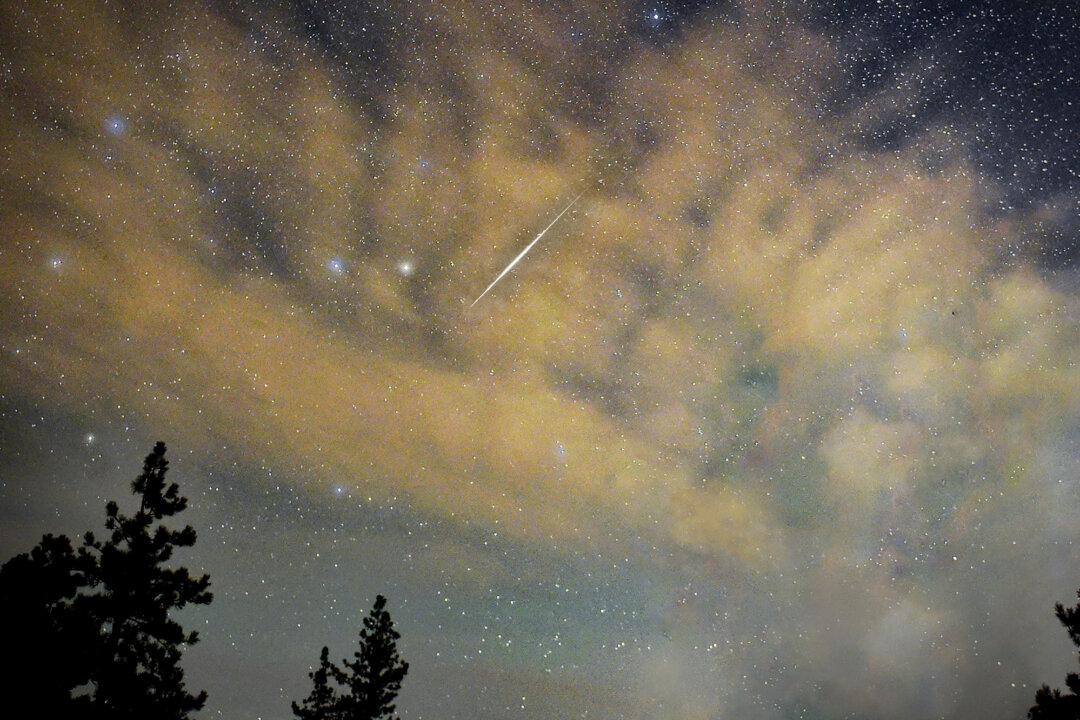
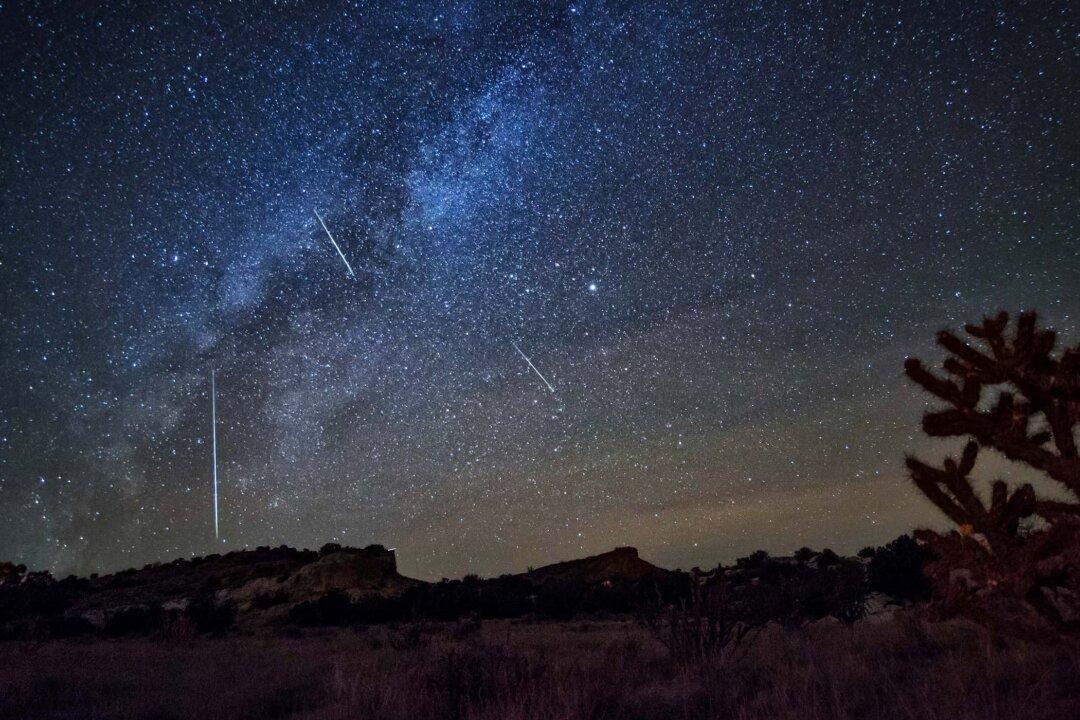
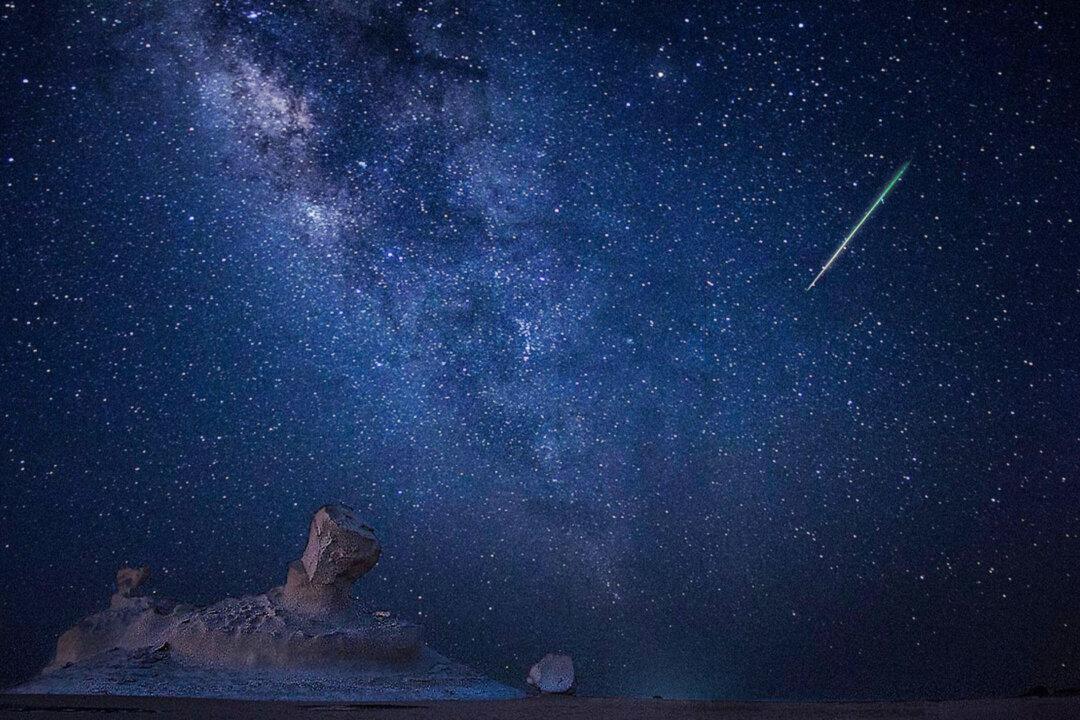
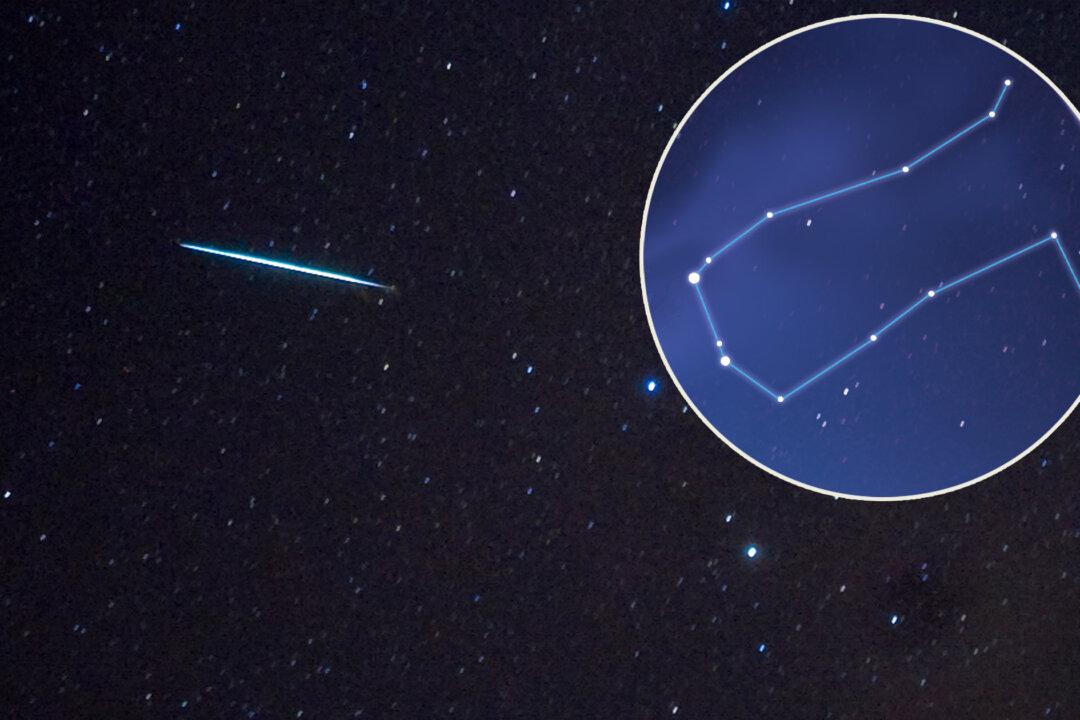
Watching meteors in the night sky can be fun, although typically you only see a few flashes an hour. But there are certain times of the year when you can see many more – events known as meteor showers.

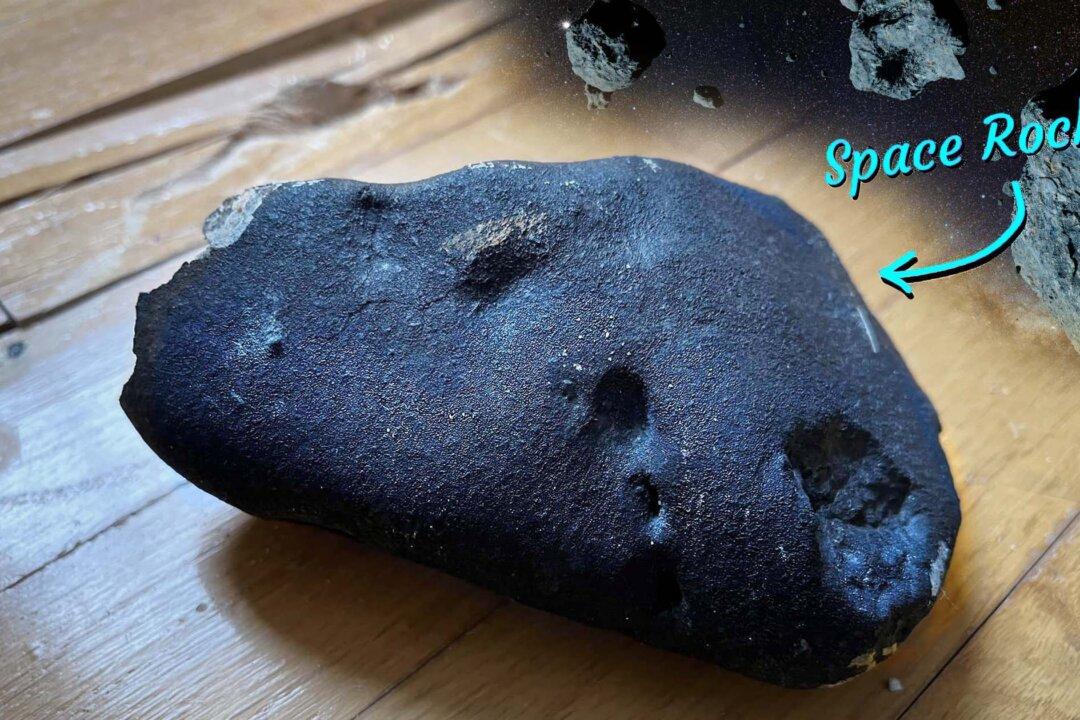
Meteors that have crashed to Earth have long been regarded as relics of the early solar system. These craggy chunks of metal and rock are studded with chondrules — tiny, glassy, spherical grains that were once molten droplets. Scientists have thought that chondrules represent early kernels of terrestrial planets: As the solar system started to coalesce, these molten droplets collided with bits of gas and dust to form larger planetary precursors.

Meteors have survived their passage through the Earth’s atmosphere numerous times throughout history. The recent meteorite that blasted over the populated town of Chelyabinsk in Russia—injuring 1,500 people, mostly from shattered windows caused by the shock waves—is not the first meteorite to strike a populated area on Earth.

A meteorite exploded over Russia’s Urals region on Friday, creating a impact wave that left around 1,000 people injured and blew out windows, Russia media reported.

The last, and some say the best, meteor display of the year will light up the sky when the Geminids arrive in full force on Dec. 13-14.

One of the biggest meteor displays of the year, the Perseid meteor shower, is coming up this weekend.
The Delta Aquarids are expected to be at their best from July 28 to 29, although the waxing moon may dampen the light show.
Catch the Quadrantid meteor shower Wednesday morning as the shower peaks in the early morning hours of Jan. 4.

The Leonids are back and set to be at their best before dawn from Thursday to Saturday, despite the glow of the waning moon.
Watching meteors in the night sky can be fun, although typically you only see a few flashes an hour. But there are certain times of the year when you can see many more – events known as meteor showers.
Meteors that have crashed to Earth have long been regarded as relics of the early solar system. These craggy chunks of metal and rock are studded with chondrules — tiny, glassy, spherical grains that were once molten droplets. Scientists have thought that chondrules represent early kernels of terrestrial planets: As the solar system started to coalesce, these molten droplets collided with bits of gas and dust to form larger planetary precursors.
Meteors have survived their passage through the Earth’s atmosphere numerous times throughout history. The recent meteorite that blasted over the populated town of Chelyabinsk in Russia—injuring 1,500 people, mostly from shattered windows caused by the shock waves—is not the first meteorite to strike a populated area on Earth.
A meteorite exploded over Russia’s Urals region on Friday, creating a impact wave that left around 1,000 people injured and blew out windows, Russia media reported.
The last, and some say the best, meteor display of the year will light up the sky when the Geminids arrive in full force on Dec. 13-14.
One of the biggest meteor displays of the year, the Perseid meteor shower, is coming up this weekend.
The Delta Aquarids are expected to be at their best from July 28 to 29, although the waxing moon may dampen the light show.
Catch the Quadrantid meteor shower Wednesday morning as the shower peaks in the early morning hours of Jan. 4.
The Leonids are back and set to be at their best before dawn from Thursday to Saturday, despite the glow of the waning moon.