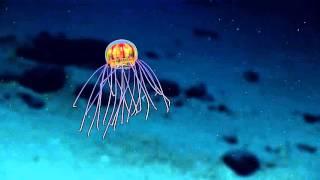
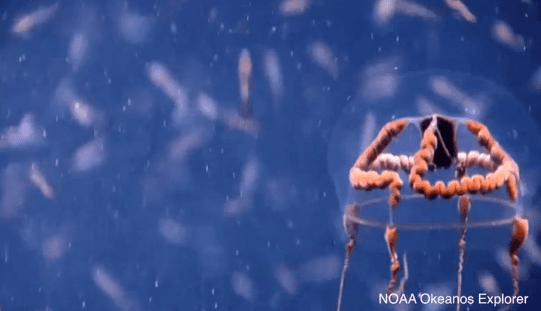
A red jelly was recently spotted ‘dancing through the water column’ during a NOAA deepwater mission near Wake Island.
For most marine biologists, myself included, it wasn’t until 2005 that it dawned on us that a third of all human-caused carbon dioxide emissions are dissolving into and acidifying the sea.

A species of jellyfish is able to continuously turn back the clock on its aging process, and as long as it doesn’t succumb to disease or outside threat, it’s believed to live forever.
Prolonged periods of acid rain and timber harvesting is altering the balance of aquatic organisms in many Canadian lakes, leading to the growth of nutrient-poor jelly-clad organisms that clog waterways, a new study finds.

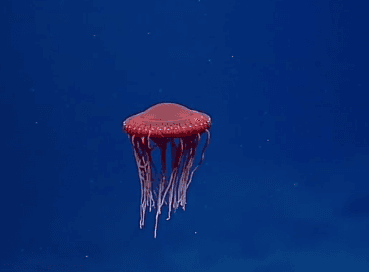
Recently the National Oceanic and Atmospheric Administration captured footage of a hydromedusa gracefully maneuvering around in the water.
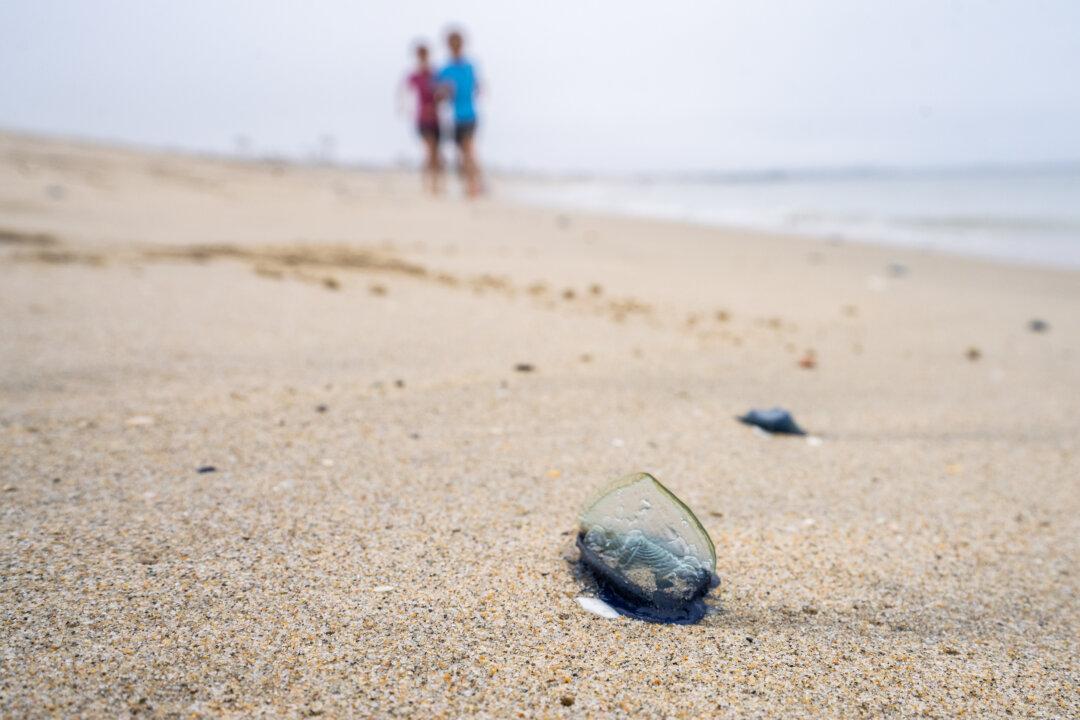
Thousands of palm-sized jellyfish-like creatures washed up Tuesday night at a beach in Southern California, baffling visitors.

Contrary to popular belief, the apparent increase in blooms of jellyfish around the world may simply be a natural rise and fall in populations over the decades.

Coastal marine infrastructure like aquaculture farms and oil rigs could provide jellyfish larvae with ideal settlement grounds and contribute to the recent global increase in adult blooms.

A red jelly was recently spotted ‘dancing through the water column’ during a NOAA deepwater mission near Wake Island.
For most marine biologists, myself included, it wasn’t until 2005 that it dawned on us that a third of all human-caused carbon dioxide emissions are dissolving into and acidifying the sea.
A species of jellyfish is able to continuously turn back the clock on its aging process, and as long as it doesn’t succumb to disease or outside threat, it’s believed to live forever.
Prolonged periods of acid rain and timber harvesting is altering the balance of aquatic organisms in many Canadian lakes, leading to the growth of nutrient-poor jelly-clad organisms that clog waterways, a new study finds.
Recently the National Oceanic and Atmospheric Administration captured footage of a hydromedusa gracefully maneuvering around in the water.
Thousands of palm-sized jellyfish-like creatures washed up Tuesday night at a beach in Southern California, baffling visitors.
Contrary to popular belief, the apparent increase in blooms of jellyfish around the world may simply be a natural rise and fall in populations over the decades.
Coastal marine infrastructure like aquaculture farms and oil rigs could provide jellyfish larvae with ideal settlement grounds and contribute to the recent global increase in adult blooms.