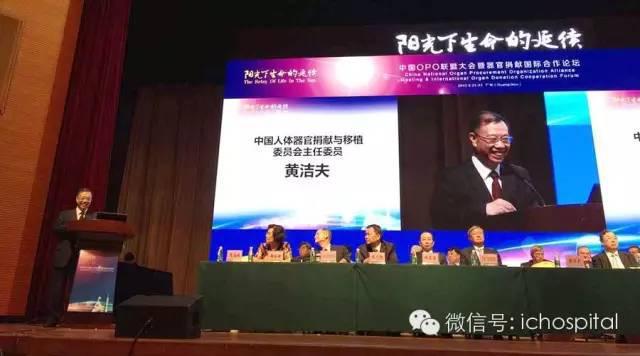
A Chinese state-backed NGO recently endorsed use of organs from prisoners, contradicting public statements.

Doctors are “condemning” the Chinese organ trade while covering up their own potentially shady connections to it.

Dr. Huang Jiefu, Beijing’s point man for selling its murderous organ transplantation system to the world, has been on a roll.

China’s organ transplant system does not measure up to recognized ethical standards, yet foreign medical groups seem set to publicly endorse it.

It was in May 2013, almost exactly two years ago, that I first predicted that Zhou Yongkang, former security czar of China, would end up in detention, as part of Chinese leader Xi Jinping’s anti-corruption campaign, that was just beginning to heat up back then.

David Matas dissects the official numbers on China’s organ transplants in a recent address in Bern, Switzerland.

An unflinching documentary about mass murder for profit in modern China has been granted one of the most prestigious awards in television and broadcast, the Peabody Award.

Medical experts have expressed skepticism over the Chinese regime’s pledge to end harvesting of organs from executed criminals.

China’s new policy on organ transplants retains the use of prisoners as an organ source, while pretending not to. It’s unclear whether the strategy will work.
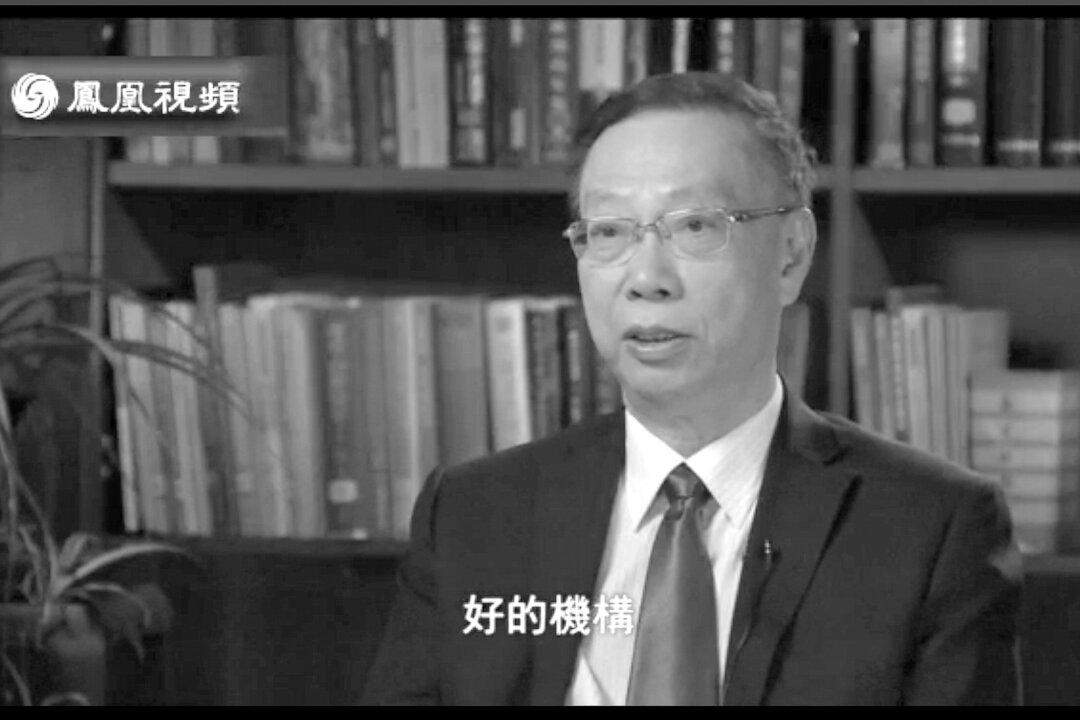
China’s top transplant official seems to have announced—once again—that the country will stop using the organs harvested from executed prisoners. The record needs to be set straight.
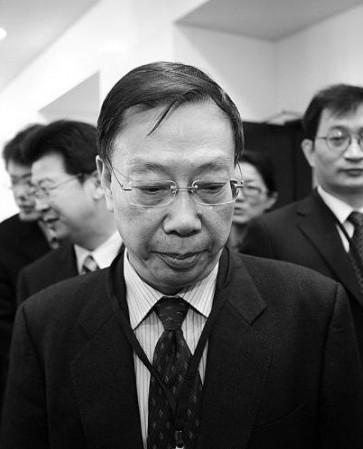
Chinese authorities may be changing their approach to reports of organ harvesting from prisoners of conscience, now attempting to deny the evidence rather than simply ignore it.
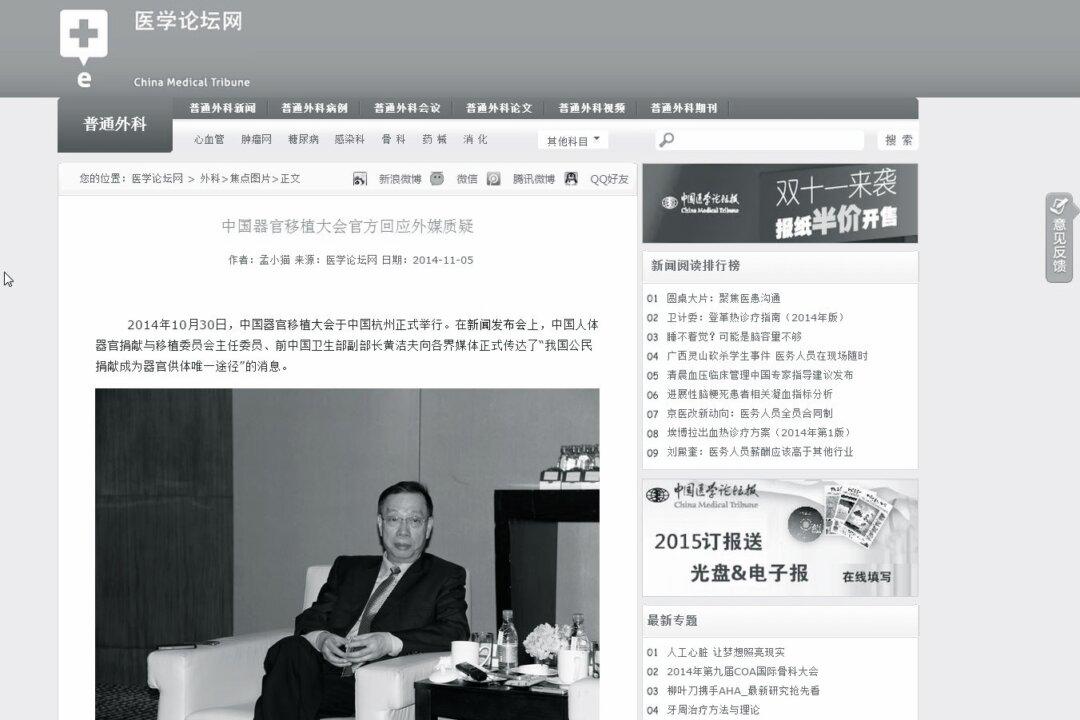
The extremely short waiting time for organ transplants has made China the most popular country for transplantation tourism, in which patients from other countries travel to China for organ transplant surgeries. The average waiting time for a patient in the United States to receive a matched kidney is four to five years, according to the U.S. Department of Health and Human Services in March.

Chinese transplant officials have given a staunch defense of the transplant system not a week after the publication of a book showing evidence of mass slaughter for organs.

The month of June this year was to be one of celebration for the Chinese transplant community.

Students at Hong Kong University objected to an honorary degree for Huang Jeifu, a Chinese official accused of involvement in organ harvesting

A Chinese state-backed NGO recently endorsed use of organs from prisoners, contradicting public statements.
Doctors are “condemning” the Chinese organ trade while covering up their own potentially shady connections to it.
Dr. Huang Jiefu, Beijing’s point man for selling its murderous organ transplantation system to the world, has been on a roll.
China’s organ transplant system does not measure up to recognized ethical standards, yet foreign medical groups seem set to publicly endorse it.
It was in May 2013, almost exactly two years ago, that I first predicted that Zhou Yongkang, former security czar of China, would end up in detention, as part of Chinese leader Xi Jinping’s anti-corruption campaign, that was just beginning to heat up back then.
David Matas dissects the official numbers on China’s organ transplants in a recent address in Bern, Switzerland.
An unflinching documentary about mass murder for profit in modern China has been granted one of the most prestigious awards in television and broadcast, the Peabody Award.
Medical experts have expressed skepticism over the Chinese regime’s pledge to end harvesting of organs from executed criminals.
China’s new policy on organ transplants retains the use of prisoners as an organ source, while pretending not to. It’s unclear whether the strategy will work.
China’s top transplant official seems to have announced—once again—that the country will stop using the organs harvested from executed prisoners. The record needs to be set straight.
Chinese authorities may be changing their approach to reports of organ harvesting from prisoners of conscience, now attempting to deny the evidence rather than simply ignore it.
The extremely short waiting time for organ transplants has made China the most popular country for transplantation tourism, in which patients from other countries travel to China for organ transplant surgeries. The average waiting time for a patient in the United States to receive a matched kidney is four to five years, according to the U.S. Department of Health and Human Services in March.
Chinese transplant officials have given a staunch defense of the transplant system not a week after the publication of a book showing evidence of mass slaughter for organs.
The month of June this year was to be one of celebration for the Chinese transplant community.
Students at Hong Kong University objected to an honorary degree for Huang Jeifu, a Chinese official accused of involvement in organ harvesting