The Chinese character 早 (zǎo) stands for morning, early, previous, or soon.

The Chinese character 世 (shì) stands for world, an age or era, or a generation.

The Chinese character 公 (gōng) means being fair, just, equitable, or impartial, and also describes what is public or common to all.

The Chinese radical/character 田 (tián) stands for a farm or agricultural fields.

The Chinese character 字 (zì) stands for a word or a character.

The Chinese character 房 (fáng) stands for a house, an apartment, or a room.

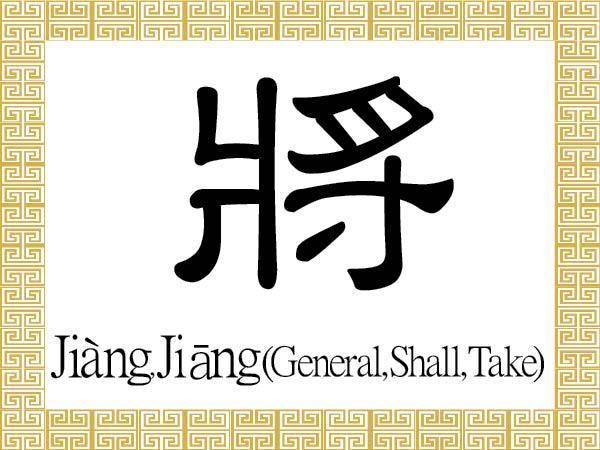
The Chinese character 將 (jiāng, jiàng) stands for a general or commander and also means “will,” “shall,” “going to,” or “to take” or “to use.”
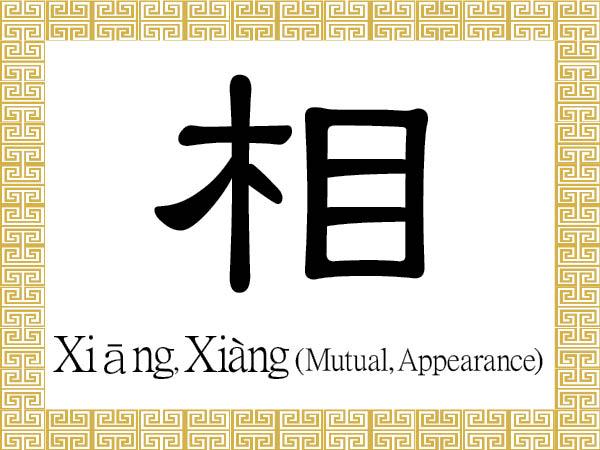
The Chinese character 相 (xiāng) stands for appearance and is also used to describe the concept of “each other,” or being mutual or reciprocal.
The Chinese character 太 (tài) stands for being the highest or grandest, and gives emphasis to adjectives such as to indicate the concepts of “very” or “too.”

The Chinese character for dream, 夢 (mèng), conveys the idea of not being in the brightness of daylight and thus not seeing clearly.
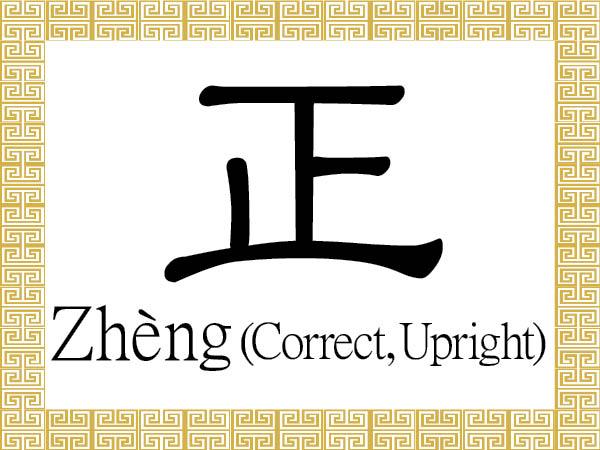
The Chinese character 正 (zhèng) conveys the meaning of “walking in accordance with the Dao.”
The Chinese character 白 (bái) stands for the colour white. It also refers to being pure, clean, unblemished, and bright, or being clear and plain.

The Chinese character 元 (yuán) stands for the beginning or the origin, and the quality of being original, first, primary, the eldest, or the leader.