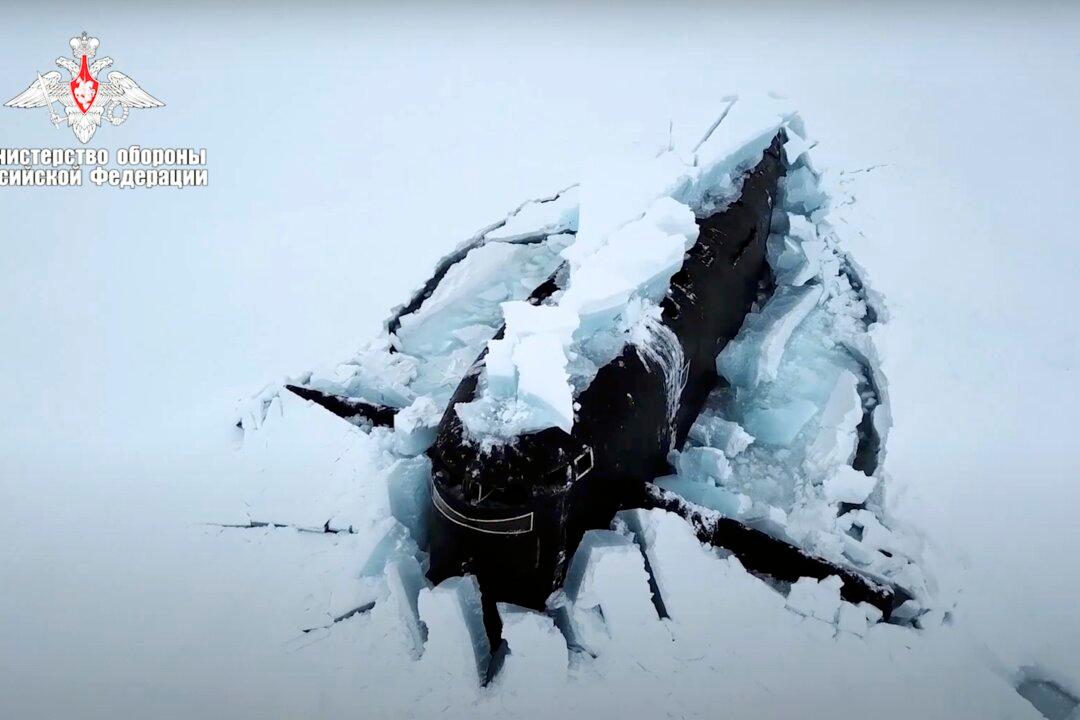
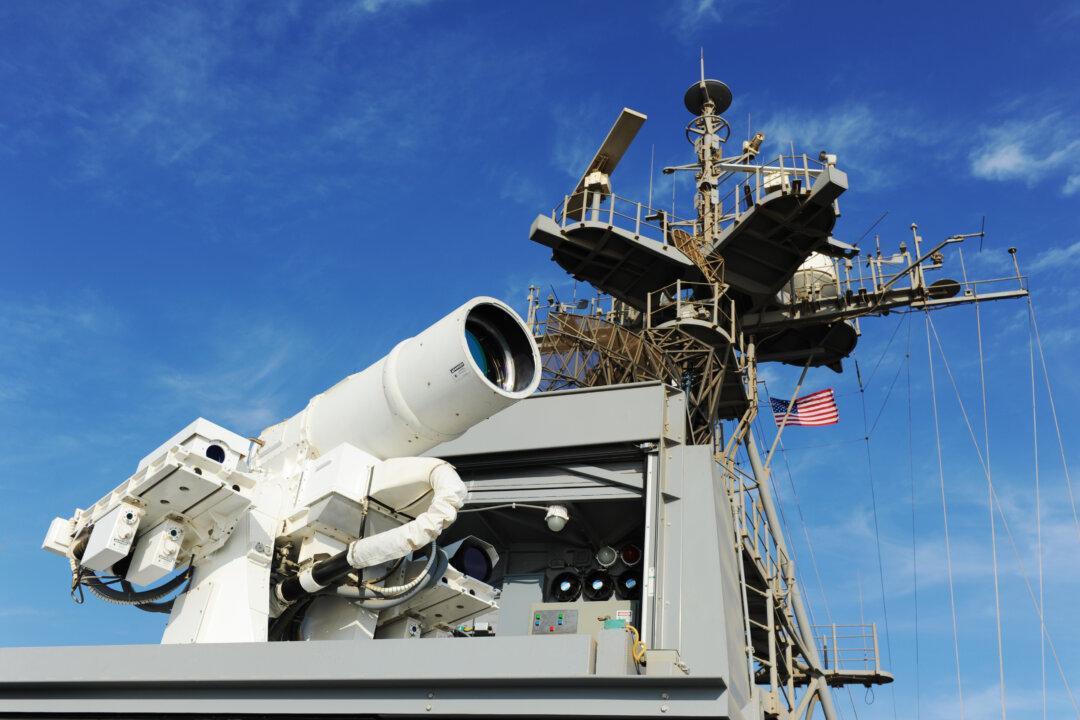
Diplomacy is fine, Republicans say, but first things first: ‘We’re Americans. Somebody hits us, there’s going to be a reckoning and we’re going to hit back.’

For decades, the ability for the U.S. military to simultaneously conduct two-and-a-half major regional conflicts was the standard, until the 1990s cuts.
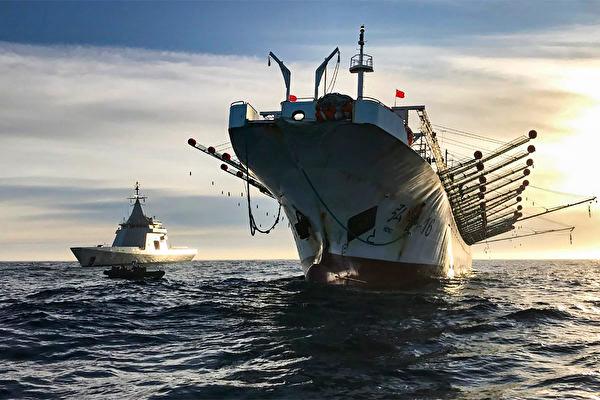
In renewed Pacific pacts, United States steps-up maritime monitoring, risking combat fishery confrontations with CCP fishing fleets shadowed by Chinese warships.

US national security faces rising challenges from insider threats and organizational rigidity, says political scientist Amy Zegart.