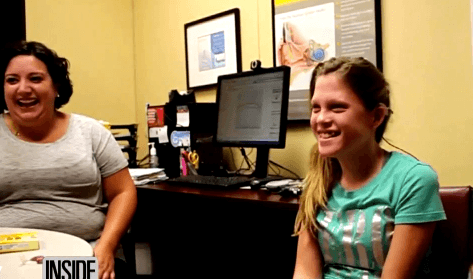
14-year-old Breanna was overcome with emotion hearing her mom’s voice clearly for the first time in her life.
On Friday, NASA released an audio file which includes radio signals associated with Jupiter’s aurora after they have been shifted into the audio frequency range.

If researcher Elizabeth Petitti played two musical notes from her laptop, some people would hear the notes rise in pitch, while others would hear them fall. Why the difference?

Because sound travels much more slowly than light, we can often see distant events before we hear them.

Sudden, traumatizing sounds can form lasting memories in the brain’s “flight or fight” region.

Even before a child learns to read, a quick biological test may be able to identify if she or he will have literacy challenges or learning disabilities.

There is nothing quite like the sound of a scream to make the hair on the back of the neck stand up.
In a noisy restaurant, music plays, glasses clink, and servers discuss the specials. All of these sounds hit the eardrum at the same time, yet conversation continues easily because of a process that allows humans to isolate, identify, and prioritize overlapping sounds.
Teaching young children phonics—the relationship of letters to sounds—primes the area of their brains wired for reading better than trying to teach them to memorize whole words.

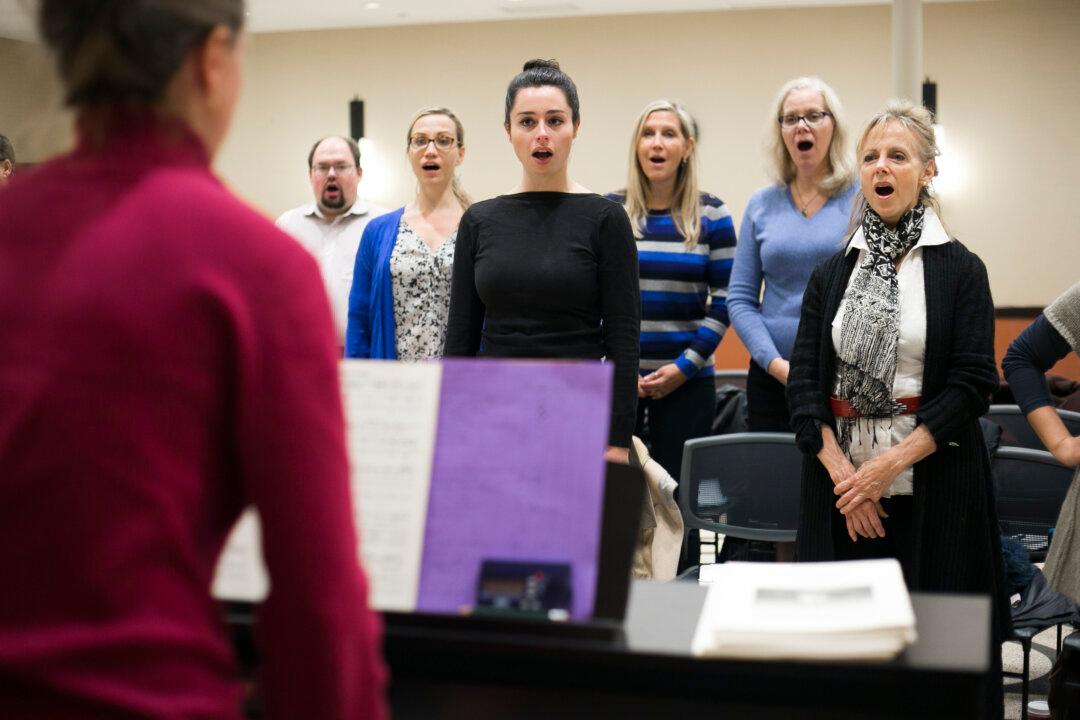
For ages we’ve assumed that early musical training in childhood is needed to have perfect pitch and that it’s just not possible for adults to acquire the skill.
Toddlers as young as two understand that the noises they make can affect people around them—and know how to adapt the loudness of the sounds they make depending on what they’re doing and where they are.
A new app that uses a smartphone to wirelessly test for sleep apnea may be able to detect whether your snoring is just annoying or a potentially life-threatening problem.