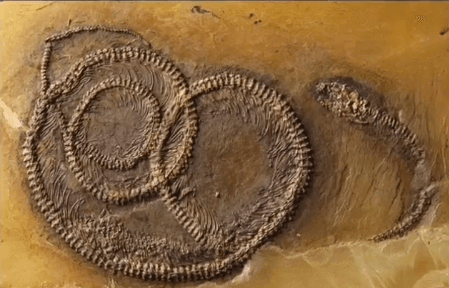
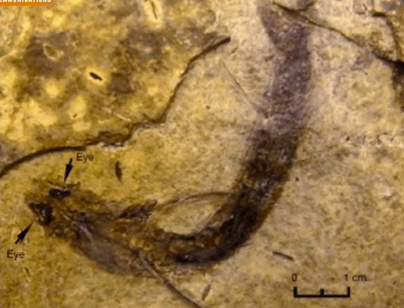
A glimpse into the animal kingdom’s food chain 48 million years ago has been made possible by the discovery of a very unique fossil.
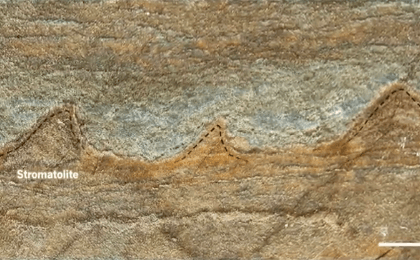
Scientists have long wondered when life began on Earth. The oldest fossil evidence had previously been dated to around 3.5 billion years, but a more recent discovery could set that timeline back by another 220 million years.
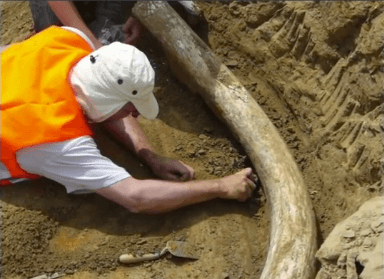
Archaeologists in Austria have announced the discovery of a pair of rare mammoth tusks estimated to be around a million years old; the ancient artifacts were found by a crew doing roadwork.
Stone tools, cooked animal and plant remains, and fire pits from a site in southern Chile suggest the earliest known Americans—a nomadic people adapted to a cold, ice-age environment—were established deep in South America more than 15,000 years ago.

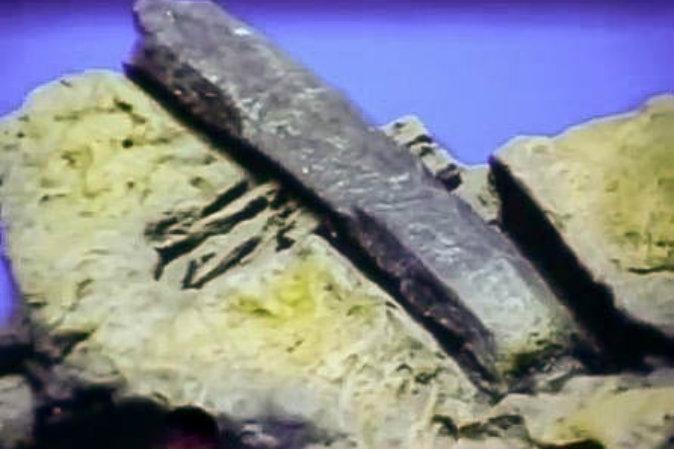
Did prehistoric civilizations possessed advanced technological knowledge that was lost throughout the ages only to be redeveloped in modern times?

Round natural pearls are rarely found in nature. So when archaeologists uncovered a 2000-year-old near-round pearl on the north Kimberly coast of Western Australia, they described it as ‘irreplaceable.’

According to a recently published paper, paleontologists in China have discovered a new species of bird that is dated to be around 130.7 million years old and represents the earliest known ancestor to modern birds.

A 55,000-year-old human skull found in northern Israel confirms that humans were in the area at the time. Scientists have theorized that humans migrated from Africa to Europe between 40,000 to 60,000 years ago, and this skull is being hailed as key evidence in this theory.

A 300-million-year-old fish fossil discovered in Kansas has evidence of photoreceptor eye tissue. It’s the earliest known display of seeing in color.
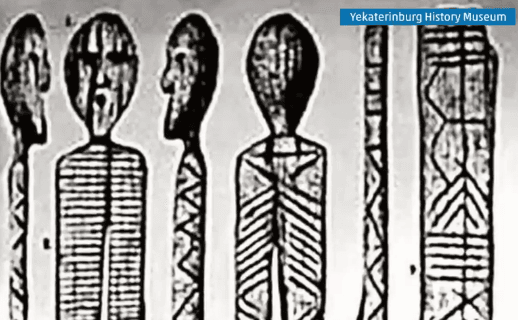
A wooden statue called the Shigir Idol could hold clues to the oldest code written in the world!
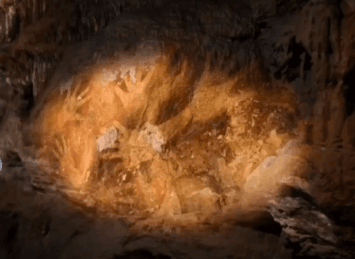
Researchers have found prehistoric cave paintings on Sulawesi Island, Indonesia that might be even older than those found in Europe.
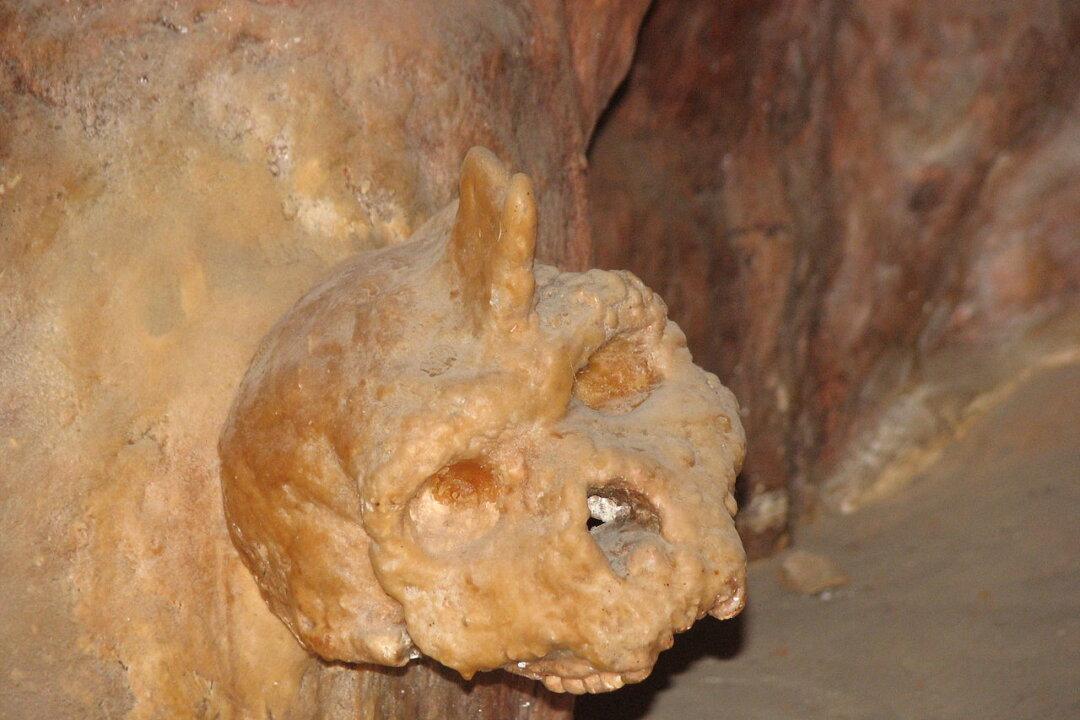
This is the account of the discovery of a skull that has the potential to change what we know about human evolution, and a suppression and cover-up which followed.
Overlooking the Konya Plain in Turkey lies the remarkable and unique ancient city of Çatalhöyük, the largest and best-preserved Neolithic site found to date. At a time when most of the world’s people were nomadic hunter-gatherers, Çatalhöyük was a bustling town of as many as 10,000 people. Inscribed as a UNESCO World Heritage Site, it is known as one of the best sites for understanding human Prehistory.
An 18th century discovery of man-made objects under layers of limestone is evidence, some say, that humans existed on earth hundreds of millions of years ago and even had an advanced civilization.

If the stone really formed around this hammer more than 100 million years ago, who in the world made this hammer?