Mehrin Maisha is a 14-year-old new immigrant to the United States. An aspiring businesswoman, she invented a lamp that helps people who share a bedroom.

When a dream is more than just a dream ...

Did Edison’s genius extend beyond the grave?

These 19th century inventions will blow you away.

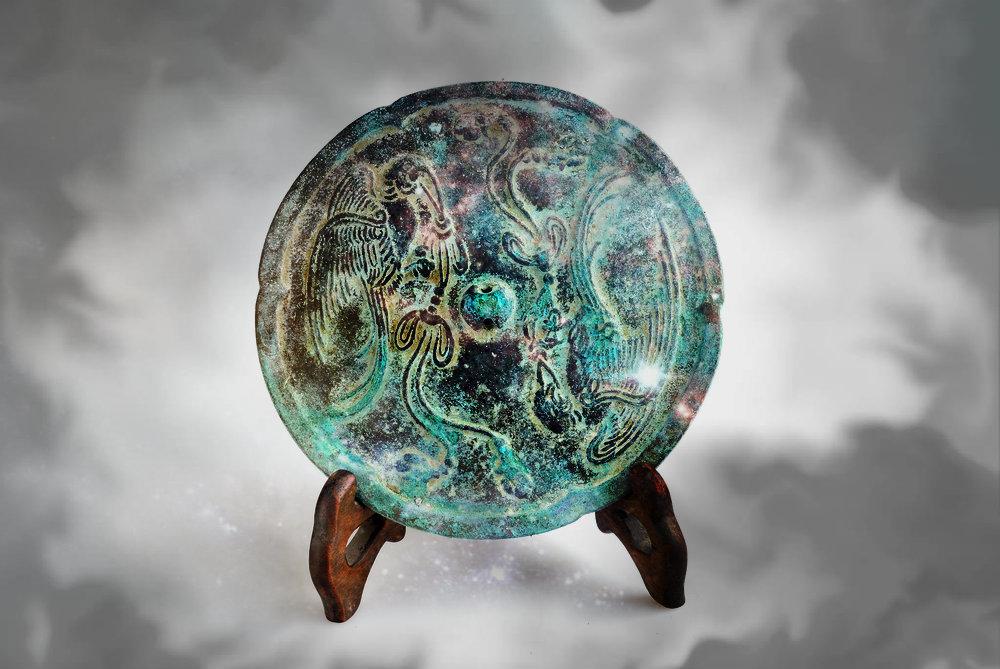
Rare Chinese and Japanese bronze mirrors have the strange property of seeming both opaque and transparent at the same time!
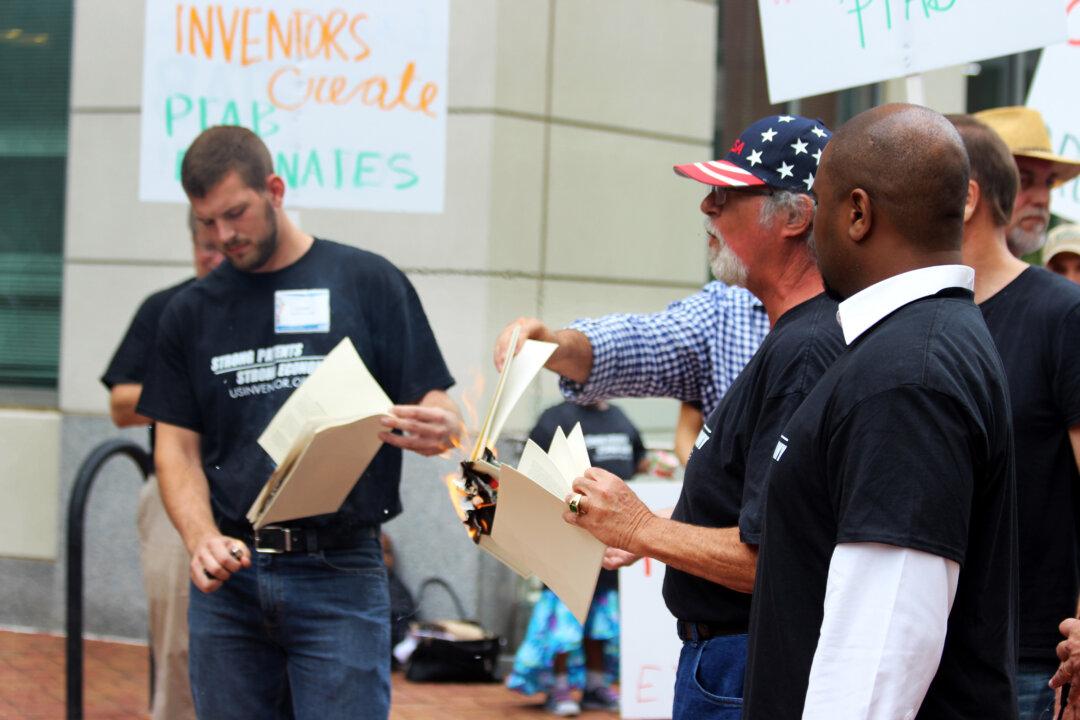
In June 2012, the New England Federal Credit Union in Williston, Vermont, received a vaguely worded letter from a company called Automated Transactions, warning the firm that it might be using teller-machine technology that infringed on Automated’s patents.

Imagine you’re in an ancient temple, dimly lit by rays of sunlight peaking in. A worshipper lights a fire on the altar, and steps back. A statue beside the altar begins to move!

In 350 B.C., mathematician and founding father of mechanics Archytas of Tarentum invented a wooden mechanical dove. “Archytas’ invention is often cited as the first robot, and, in light of recent technological advancements, perhaps we could even consider it to be the first drone; the very first machine capable of autonomous flight,” wrote Jimmy Stamp in a Smithsonian article.