According to a new report, only about 7,000 of these majestic cats are left in the wild.
Scientists have discovered the fossil remains of a Cretaceous-era crocodile in the Sahara Desert, Tunisia. The fossil is incomplete, but the newly named “Machimosaurus rex,” is estimated to be 31 feet (nearly 10 meters) long, making it the largest known ocean-crocodile in history.

A new study urges scientists to move their focus from species extinction to species rarity in order to recognize—and avoid—a mass extinction in the modern world.

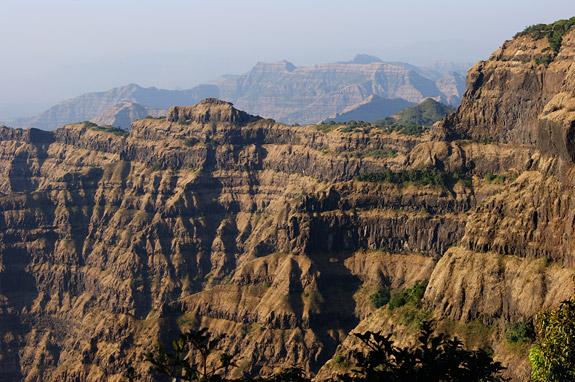
Hundreds of thousands of years of volcanic eruptions in India—accelerated by a massive asteroid impact 66 million years ago—may have caused a perfect storm that led to the extinction of dinosaurs and other animals.

According to a recently published study, 60% of the world’s largest terrestrial herbivores are facing extinction.
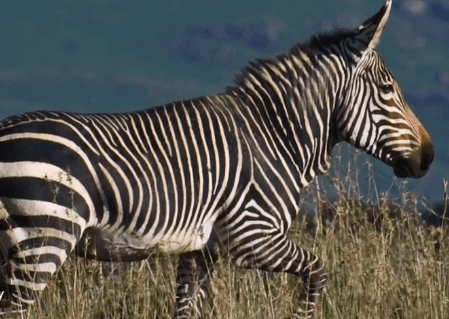
Our planet’s large mammal biodiversity is a shade of what it once was.

A definitive geological timeline shows that a series of massive volcanic explosions 66 million years ago spewed enormous amounts of climate-altering gases into the atmosphere immediately before and during the extinction event that claimed Earth’s non-avian dinosaurs, according to new research from Princeton University.