Former Health Minister Greg Hunt suggested states should not make decisions against national cabinet unless there is published and signed medical advice.

The revelation is contained within a Services Australia submission to the federal government’s COVID-19 inquiry.
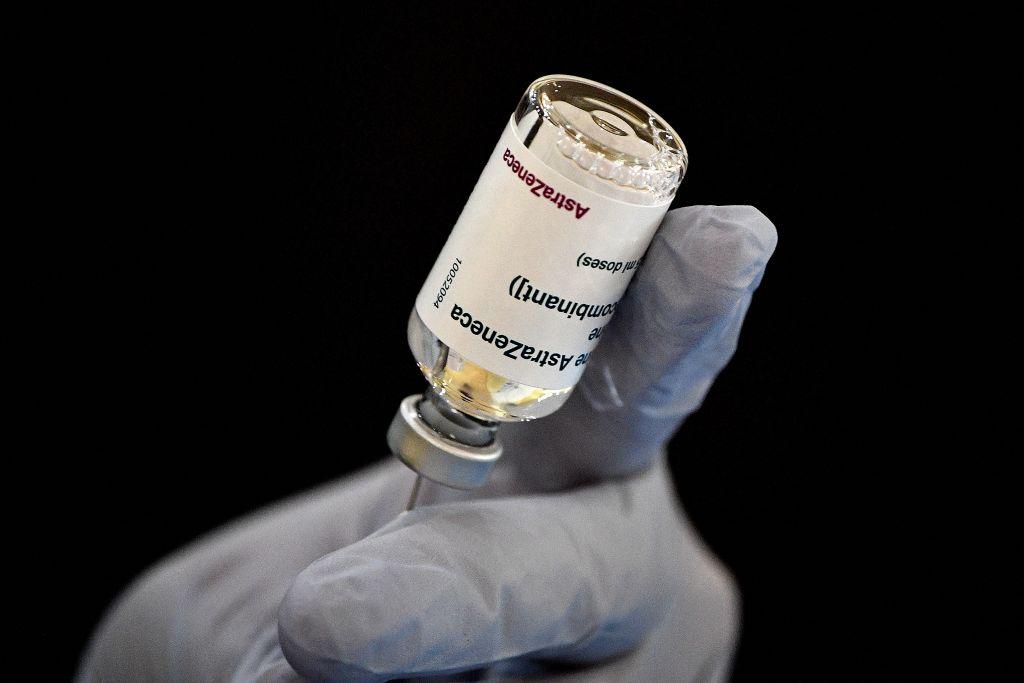
‘Media reporting resulted in public confusion regarding vaccine eligibility and led to vaccine hesitancy amongst members of the public,’ AstraZeneca said.

Vision Australia also received reports of people being denied entry to vaccine hubs because of the presence their guide dog.
The national guard could help police and other first responders manage borders and enforce the law.
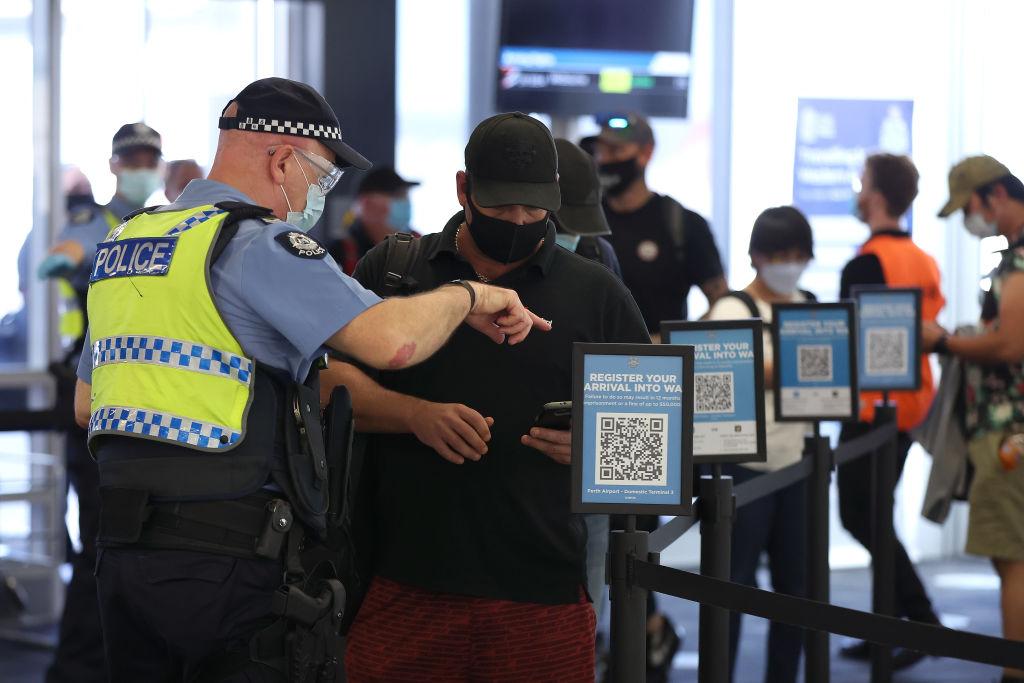
‘COVID fatigue’ set in among Australians as the pandemic progressed, the department observed.

More than 2,000 submissions have been received by the government to the COVID-19 inquiry.
Among the submissions, national air carrier Qantas said some measures used during the later stages of the pandemic were ‘disproportionate.’

A large portion of social media posts were removed after being referred by Australia’s Home Affairs Department.
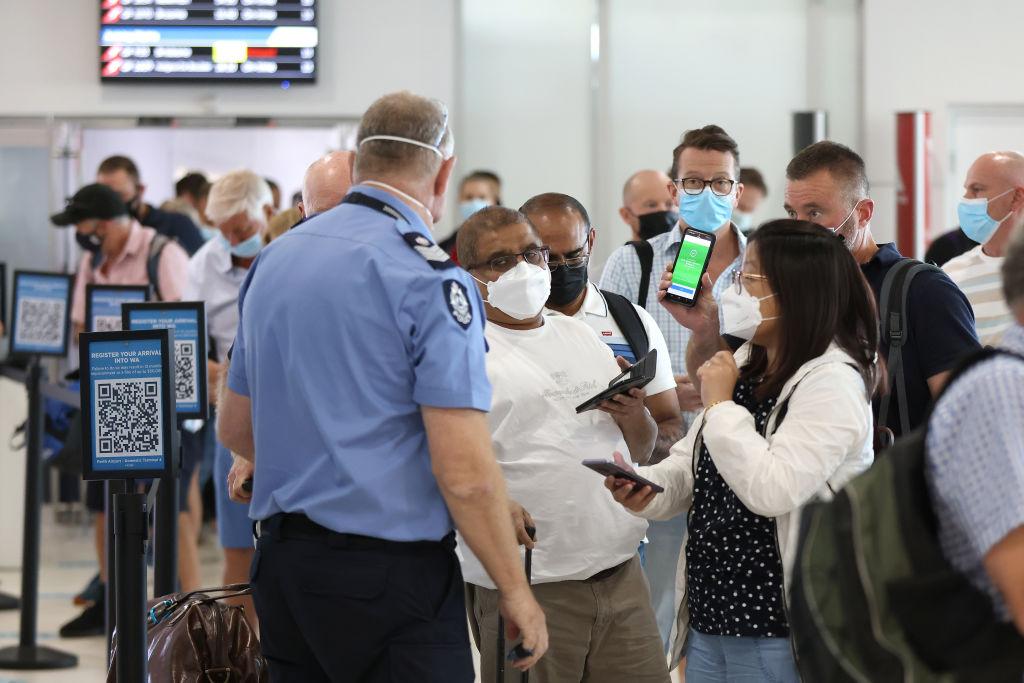
The SA, WA and Queensland governments all suggested more clarity was needed on the role of state and federal governments in the future.
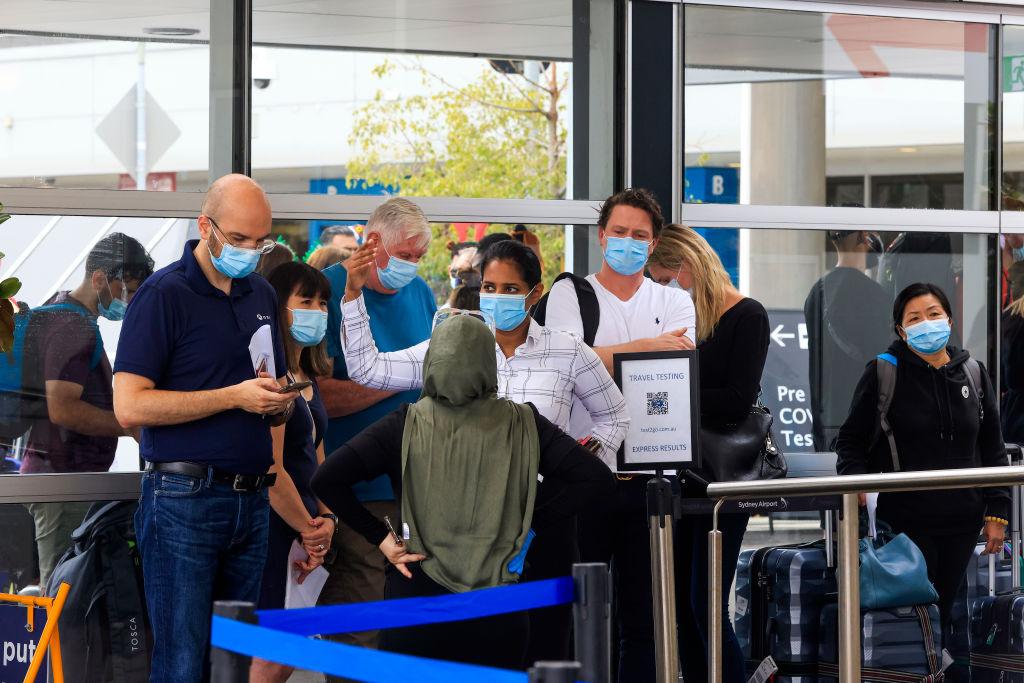
Crisis support lines should have been prominently displayed during snap lockdowns, according to the Australian Association of Psychologists.
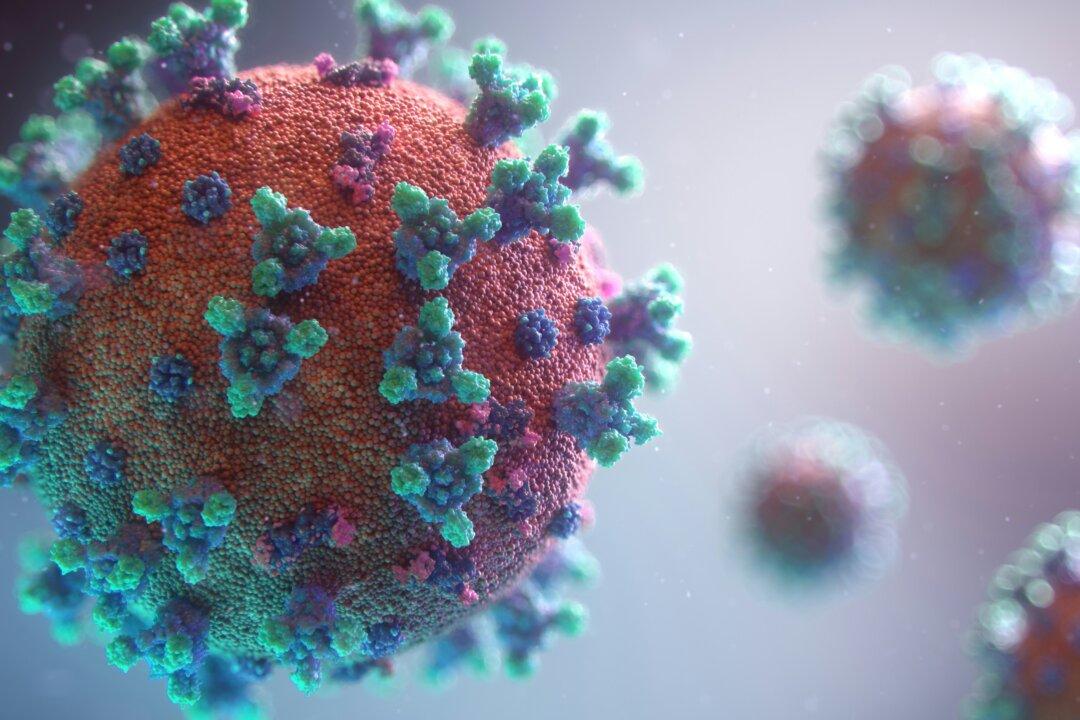
The Senate Committee is due to produce a final report at the end of March.
The first minister said he would expect officials including the national clinical director and chief medical officer to have kept ‘relevant’ messages.

A lawyer representing Sir Patrick Vallance, the UK’s former scientific adviser, has cited his human rights to argue against the release of his diary entries.

Lockdowns led to ‘neglect, self-harm, suicidal ideation, malnutrition, and substance misuse at home,’ according to the director of Age UK.

The newly announced federal inquiry will not scrutinise the decision-makers behind mandates, lockdowns, and local border closures.