Two plants can communicate with each other by swapping messenger molecules, according to new findings by a Virginia Tech scientist.
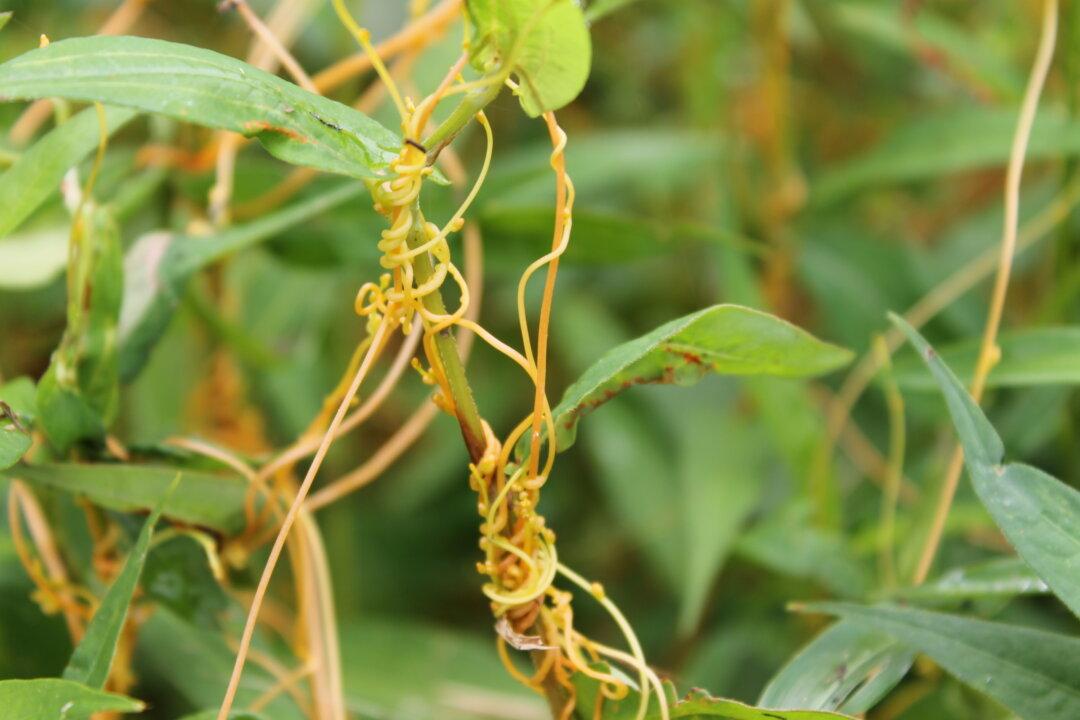
How a senior IBM scientist provided further evidence on previous experiments showing plants can read minds—and made some additional, startling discoveries.

Kirlian photography, auras: Photos taken using special methods show a light surrounding people’s bodies, which is said to be the energy those people emanate. What could this energy be?

In the limestone caves of China’s Guanxi Province, scientists have discovered a new type of nettle called Pilea cavernicola that grows in near darkness.

Detailed forecasts of climate change show the three most common bamboo species in China’s northwestern forests that pandas rely on will be severely affected.
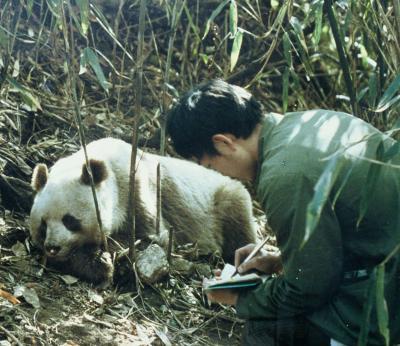
Israeli plant geneticist Daniel Chamovitz believes that plants are more similar to humans than previously realized and even have similar senses.

The seed-dispersing role of a large mammal family that died out in the Pleistocene may have been adopted by rodents and thus prevented the black palm tree from going extinct.
Some plants may communicate by making clicking noises with their roots, according to new international research.

The seeds of the taily weed contain a mustard bomb that causes the Cairo spiny mouse to spit them out while eating the berries.

The pitcher plant, Nepenthes gracilis, has a springboard-like lid that flicks prey seeking shelter from heavy rain directly into its digestive juices.
The unlikely pairing of botany with quantum physics has enabled U.S. scientists to better understand the first step of energy conversion in photosynthesis.

Flowers have a safeguard system that ensures the optimal number of pollen tubes reach each ovule for seed production, according to a new U.S. study.