Across the world and in the United States, governments struck down anti-piracy measures ACTA, SOPA, and PIPA after facing a chorus of public scorn. The Japanese government, however, toughened its stance on copyright protection.

Two of the largest mass shootings in U.S. history took place in 2012, and the White House is considering certain anti-assault weapon legislation.
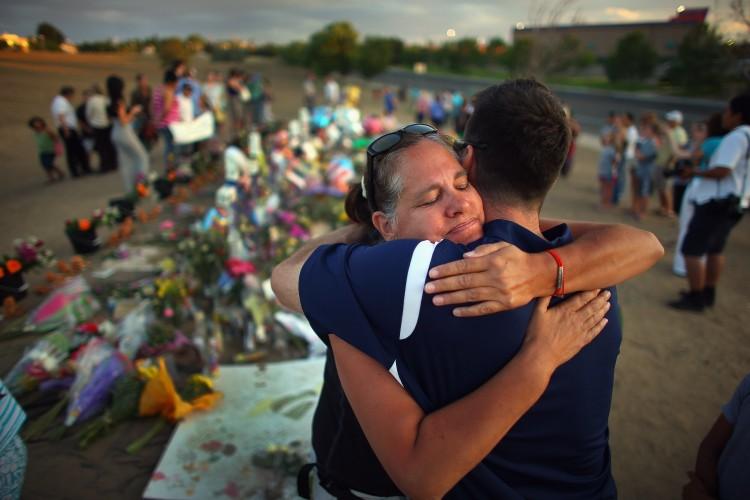
A brief glimpse into the 2012 stories offered from around the world.

Germany’s parliamentary election in the fall of 2013 will be one of the most significant events of the year in Europe

Critics warn that the reforms are in place only so sanctions will be lifted, and they can be reversed at any moment. The constitution drafted by the military junta in 2008 is still in force.

A number of reports in 2012 pointed out the increasing impact of global warming, such as the greater loss of Arctic ice. Meanwhile, no real progress was made on advancing international climate change agreements.

In 2012, the Asia-Pacific increasingly gained geopolitical importance as the United States strengthened its commitments in the region.

As in recent years, 2012 was another difficult fiscal year for the United States Postal Service.

Headlines highlight: Stop and Frisk - High Cost of Living - Summer Heat - Aquarium Woes - Bike Share Stalled - Soda Ban - High Line and Lowline - 18,000 New Taxis Blocked
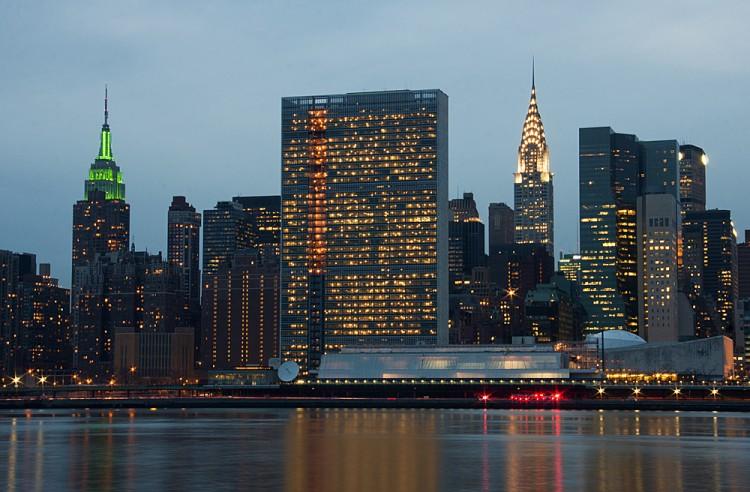
For the first time in 12 years, New York City will have a new mayor, and other positions are up for grabs as well, including the 51-member city council, comptroller, public advocate, and borough presidents.

The debt for the gigantic regional transportation authority is rising steadily—currently at about $32 billion—and debt service eats up $2.3 billion every year ($3 billion by 2016).

Mayoral control over schools will be a hot button issue in 2013 as it comes under scrutiny leading up to the citywide elections.

A year of whirlwind of development activity in New York began with Cornell University and Technion-Israel Institute of Technology winning an applied sciences competition in Dec. 2011.

Two major pieces of legislation regarding online piracy and cybersecurity were rejected in 2012, and dynamic discussions on Internet privacy are expected to continue throughout 2013.
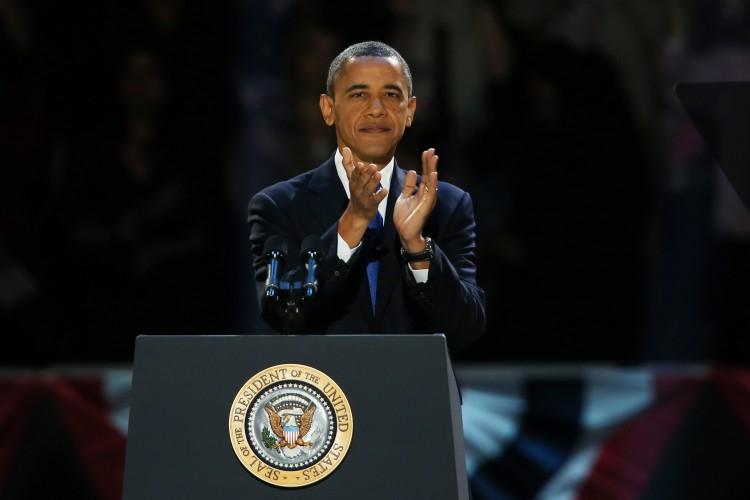
Both parties will need to work together in order to avoid political gridlock in 2013.
Tighter federal emissions standards will cause older coal plants to close as green technologies find development in the U.S. military.

The debate on hydraulic fracturing, otherwise known as fracking, 2013 will open up much like 2012—with yet another public comment period.

A brief recap of the major 2012 news stories taking place around the U.S.

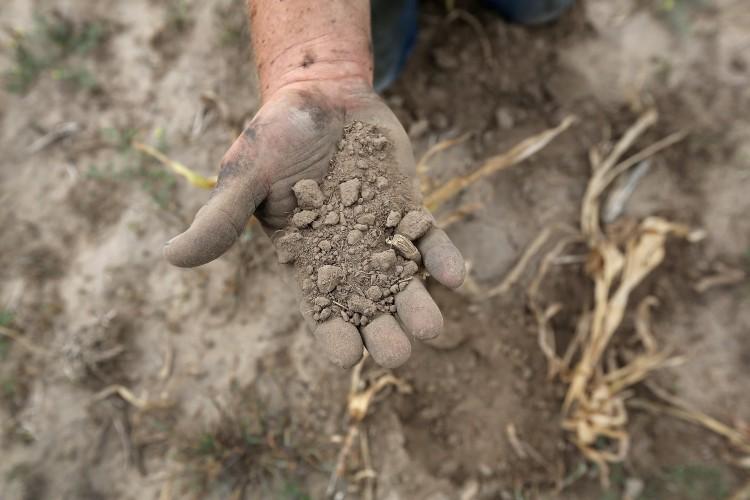
Drought conditions had a devastating impact on farmers in 2012, especially in the Midwest. There may be more of the same in 2013.
Despite the defeat of Prop 37 in California, the battle for GMO labeling is far from over.