A mysterious inscription on a mysterious artifact has been theorized by some to be Cherokee, Semitic, or Welsh, all intriguing possibilities.

Medieval scholar Donald Yates, Ph.D., is shedding new light on controversial artifacts found near Tuscon, Ariz., in the 1920s.

What appears to be an ancient Roman sword has been found off the East Coast of Canada, and it is just one of several indications that Romans were there around 200 A.D.

Are the symbols on the Dighton Rock Native American? Norse? Phoenician? Chinese? Portuguese? Japanese? All or none of the above?

Investigators have found what is believed to be a Roman shipwreck of the coast of Canada, suggesting the ancient Romans made it to the New World.

What may be an ancient Chinese artifact mysteriously appeared in a small garden next to a pond, on a heavily wooded acreage in a remote and sparsely populated area of Harrison County, Ky.

Did a single wave of migration people the Americas, or have there been many expeditions from many cultures slipping into the New World throughout history?
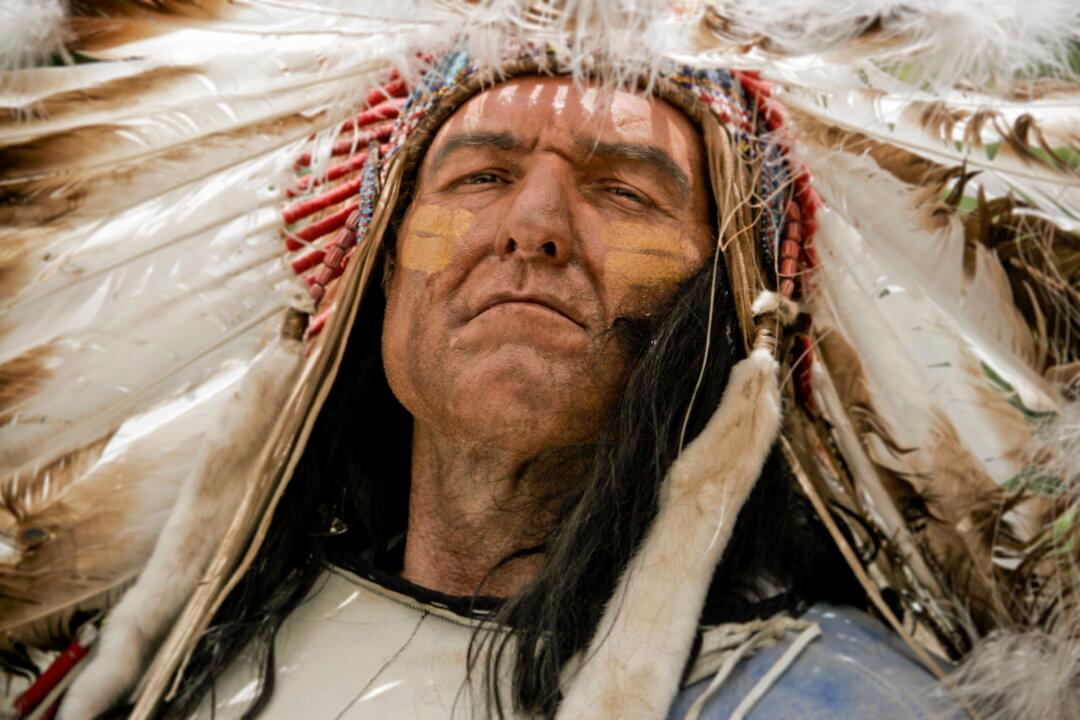
The ancient Greek myth of Cadmus battling a snake could be an allegory for the discovery of the Amazon River, says Dr. Enrico Mattievich.

A Harvard Medical School study is reshaping our understanding of how the indigenous people arrived in the Americas. Well-established assumptions are wrong.

The findings could radically change world history. Some experts are excited, others scathingly criticize Ruskamp’s work.
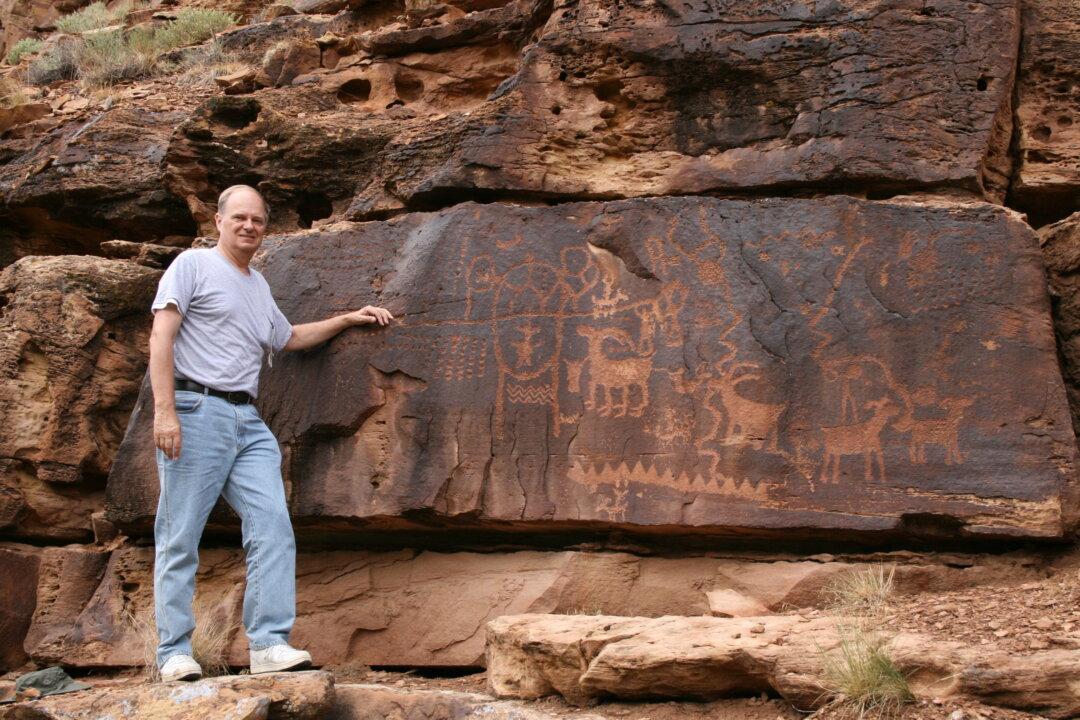
Did the Chinese beat Christopher Columbus to the New World by many, many centuries?

Hesiod’s description of the ancient Greek dwelling place of gorgons seems to match the mysterious labyrinth ruins of Chavin de Huantar in the Peruvian Andes.

Do inscriptions on the coast of Uruguay tell of an expedition that could dramatically change history books?

Will the history books change? Evidence suggests the Chinese got to America before the Europeans.

Who peopled the New World, and when? Native American origins aren’t so clear-cut, some experts say, citing genetic testing, curious artifacts, and linguistic diversity.

Are you moving forward or backward in life? Some ancient cultures had figures that literally moved backward to remind the people around them to pay attention to their own figurative progression or regression.

Some researchers say that puzzling artifacts, as well as the results of recent DNA studies performed on Native Americans, may suggest contact between ancient China and North America.

Turkish President Recep Tayyip Erdogan is claiming that Muslim sailors reached the Americas more than 300 years before explorer Christopher Columbus.