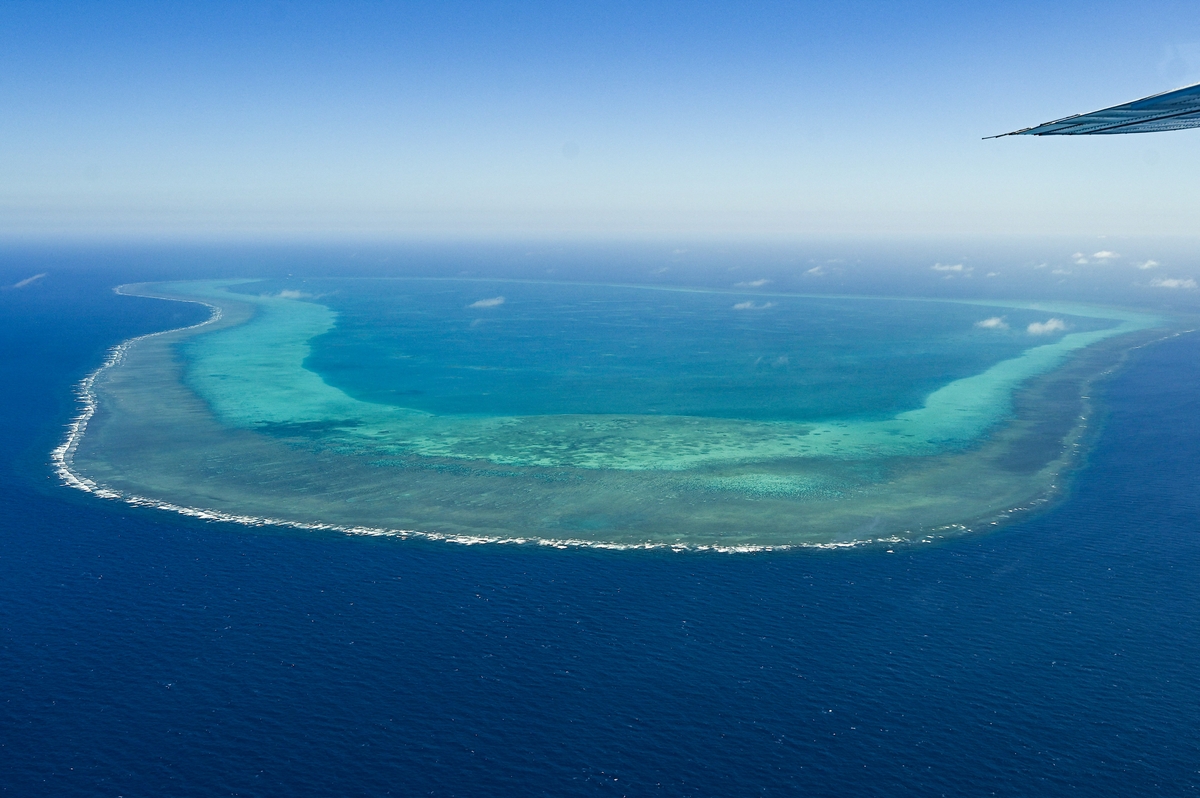
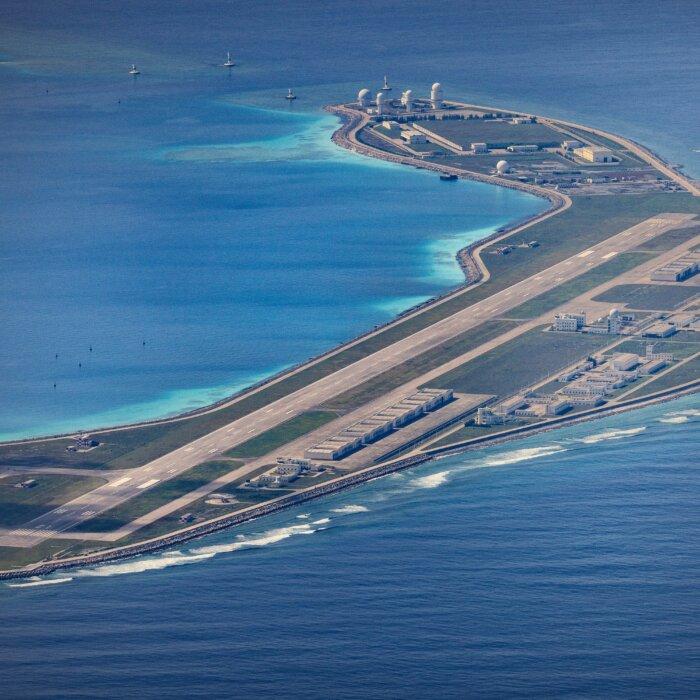
The United States has condemned the Chinese regime’s continued efforts to establish a nature reserve at a disputed shoal in the South China Sea, a move that further blocks Filipino fishermen’s access to one of their traditional fishing grounds.
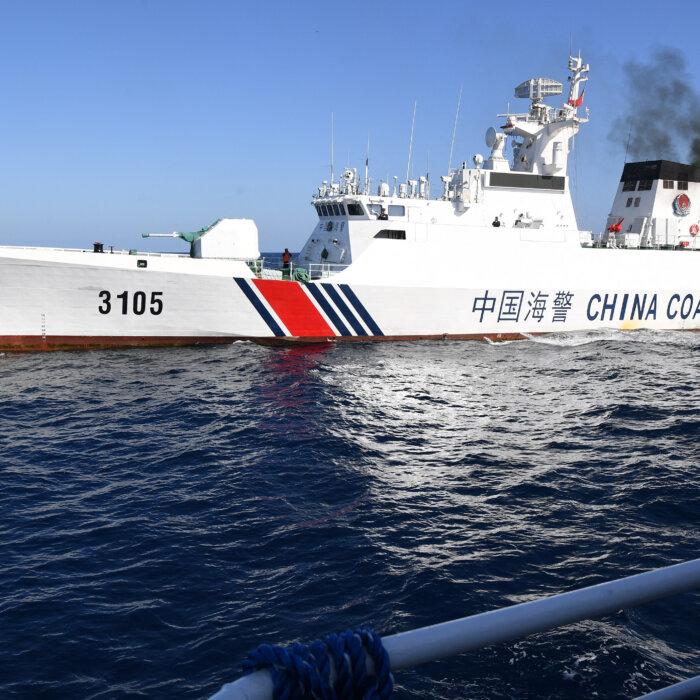
Under the new management rules, which came into effect on Aug. 1, activities such as fishing, mining, and coral or reef excavation within the designated area are banned. China’s coast guard, along with other agencies, will establish a routine patrol system to crack down on activities Beijing deems illegal, according to the text of the measures released by China’s National Forestry and Grassland Administration.
In an Aug. 8 statement, the U.S. State Department denounced Beijing’s ongoing attempts to enforce the nature reserve as “destabilizing.”
“This is yet another unilateral attempt by China to use dubious environmental and legal pretexts, backed by coercion, to advance its sweeping territorial and maritime claims in the South China Sea at the expense of its neighbors,” State Department spokesperson Tommy Pigott said.
“The United States stands with our Ally, the Philippines, in support of a free and open Indo-Pacific,” he added.
The Chinese regime asserts sovereignty over almost the entire South China Sea, a resource-rich area that is vital to global shipping. Some of its claims also overlap the exclusive economic zones of Vietnam, Malaysia, Indonesia, and Brunei.
Although a 2016 ruling by the Permanent Court of Arbitration in The Hague concluded Beijing’s expansive claims had no legal basis, the regime rejects the judgment and frequently sails its coast guard and military vessels to the contested waters to press its sovereignty claims.
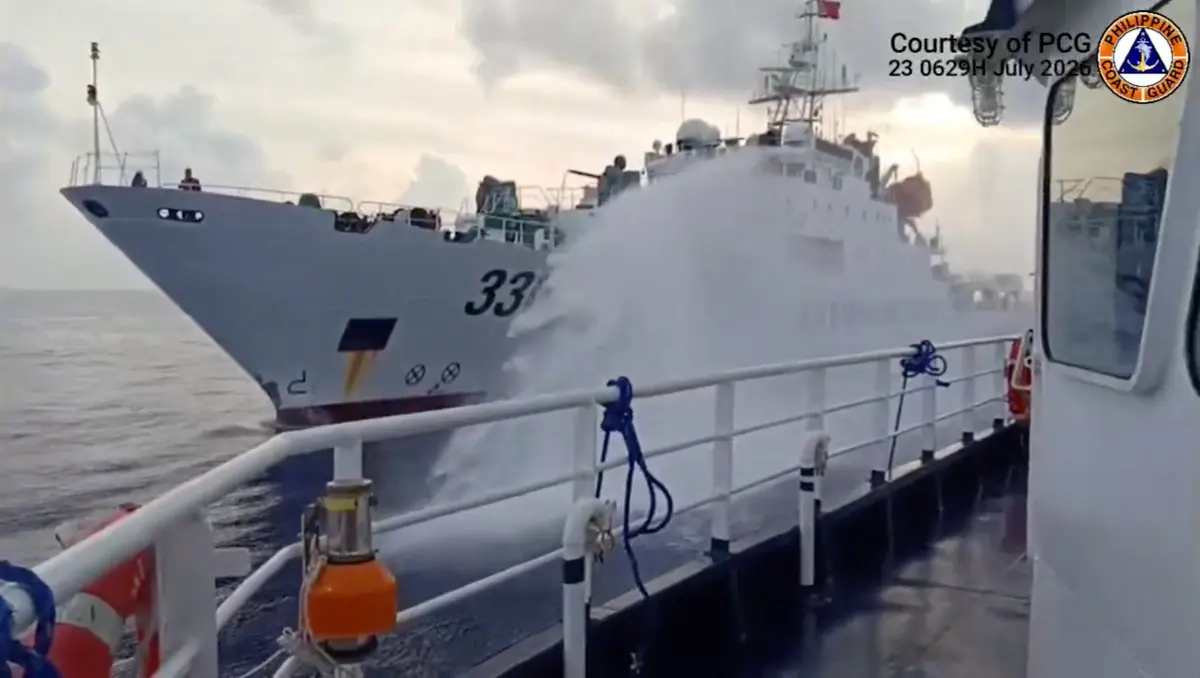
Tensions have flared up again in recent weeks after three maritime confrontations involving the Philippines and China took place in less than a week in July.
According to the Chinese forces’ accounts, its coast guard took “control measures” against several Philippine vessels that entered waters under China’s jurisdiction.
This occurred just a day after the Philippines coast guard accused its Chinese counterpart of using a water cannon against its vessel for more than two minutes.
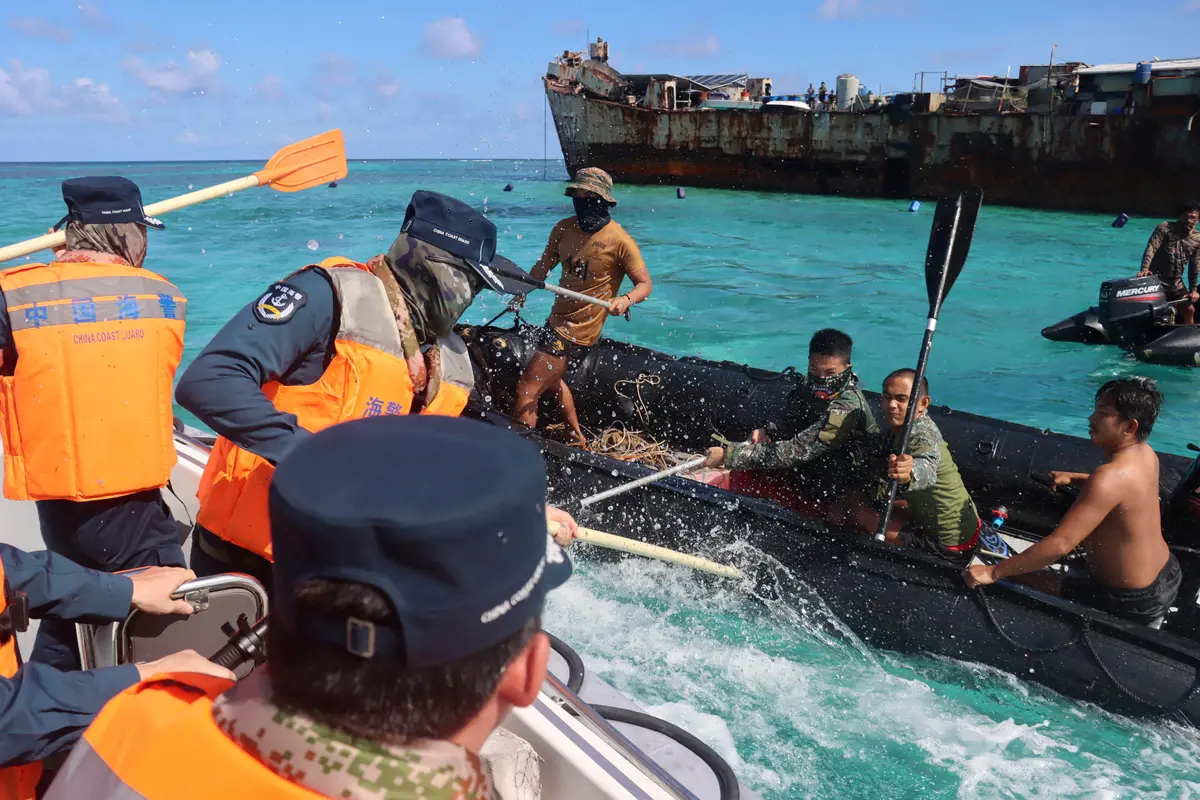
U.S. Secretary of State Marco Rubio later revealed that a U.S. Coast Guard vessel was in the region when the July 20 incident happened, helping stand between the two sides and facilitate the injured individual’s rescue.
“So we’re already here, we’re already present, we have a role, and we’re not going to abandon our allies,” Rubio told reporters on July 23 on the sidelines of the ASEAN meeting in Manila.
He emphasized that the United States and China, as the world’s two largest economies and nuclear powers, have to have a relationship. “But that won’t come at the expense of our allies and our partners in the region or our presence here either,” he said.