The Chinese regime has tightened export controls and sanctioned seven U.S. entities in retaliation for the Trump administration’s trade curbs aimed at addressing national security and forced labor concerns.
The strengthened export restrictions target drones, their key components, and related technologies destined for the U.S. market, the regime’s Ministry of Commerce said in a statement on Aug. 5.
Exporters’ relevant applications will be subjected to “stricter case-by-case review,” it added.
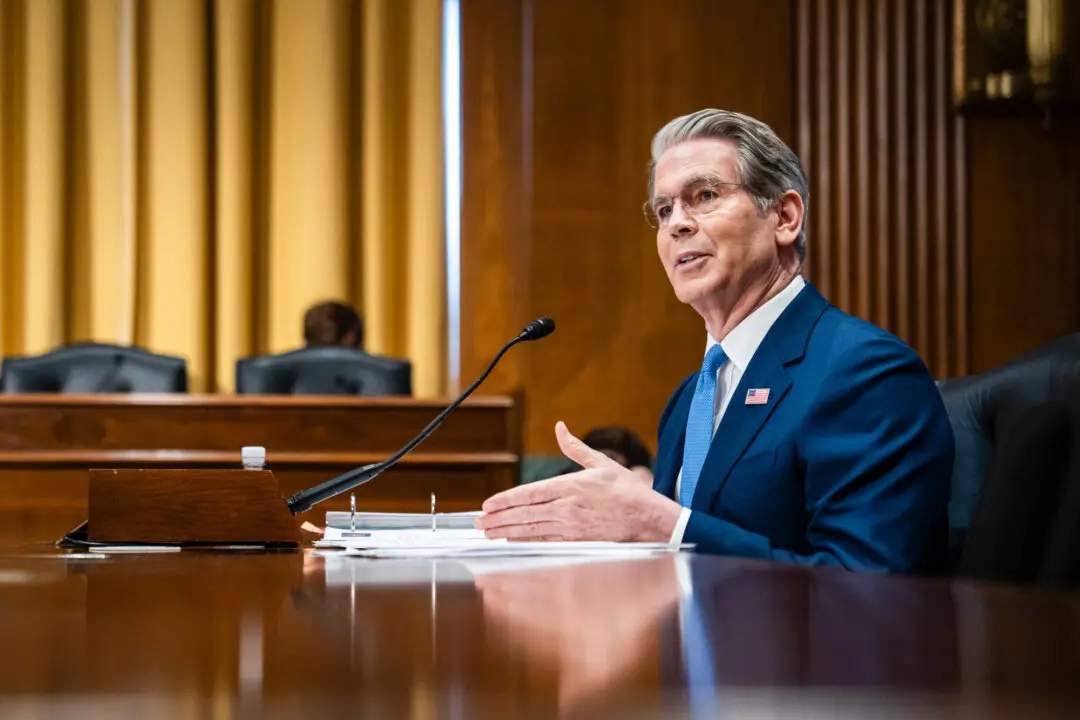
A ministry spokesperson described the export controls, along with four other sets of measures, as a response to recent actions taken by the U.S. Federal Communications Commission (FCC) and the U.S. Department of Homeland Security (DHS).
The spokesperson said the FCC repeatedly introduced measures affecting China across various sectors, including telecommunications operators, testing laboratories, drones, consumer routers, submarine cables, advanced robotics equipment, and power inverters.
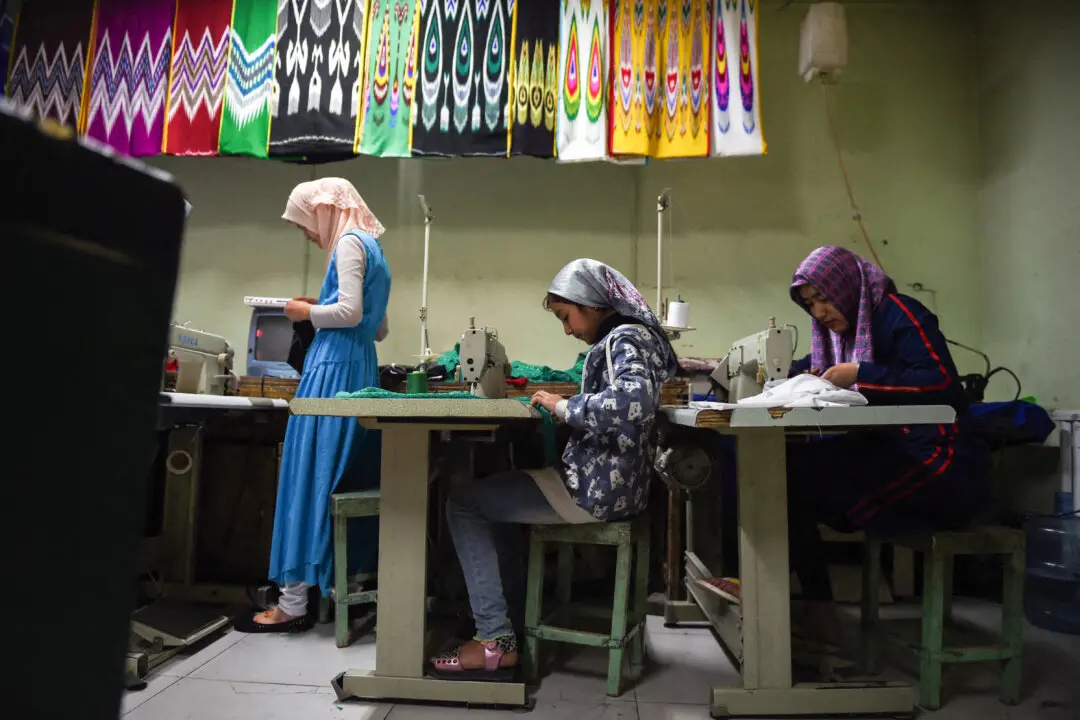
In retaliation for U.S. sanctions related to Xinjiang, the Chinese commerce ministry sanctioned six American entities on Aug. 5—including biotech company Applied DNA Sciences, Human Rights in China, and Verité Group—prohibiting Chinese companies and individuals from working with them.
Zhou Suofeng, director of New York-based organization Human Rights in China, said he regarded Beijing’s designation as “a badge of honor.”
“It means that the Chinese government has felt the impact of our work,” Zhou said in a statement to The Epoch Times. “No sanction or blacklist will change our mission. If anything, this action only reinforces the importance of continuing our work.”
Separately, the ministry said it suspended factory inspections by U.S. certification agencies under China’s compulsory product certification system.
Beijing also announced a national security investigation into imported printers, copiers, and other office equipment. While the Chinese commerce ministry didn’t explicitly name the United States, its spokesperson called the probe part of the retaliatory measures against Washington.
In a separate statement, the ministry said Compliance Testing LLC was added to China’s countermeasures list over allegations that the Arizona-based company assisted the U.S. FCC in imposing trade curbs targeting Beijing.
In June, the FCC tightened licensing requirements for undersea data cable systems and enhanced oversight of suppliers and equipment to safeguard supply chains from companies linked to foreign adversaries such as China.
In late April, the FCC voted to advance a proposal to restrict recognition of testing laboratories and certification bodies in countries without reciprocal arrangements with the United States. This rule, if finalized, could make it more difficult for China-based testing facilities to help the country’s manufacturers enter the U.S. market.
About three-quarters of devices that secured U.S. certification are tested in recognized labs located in China, according to an FCC fact sheet released at the time.