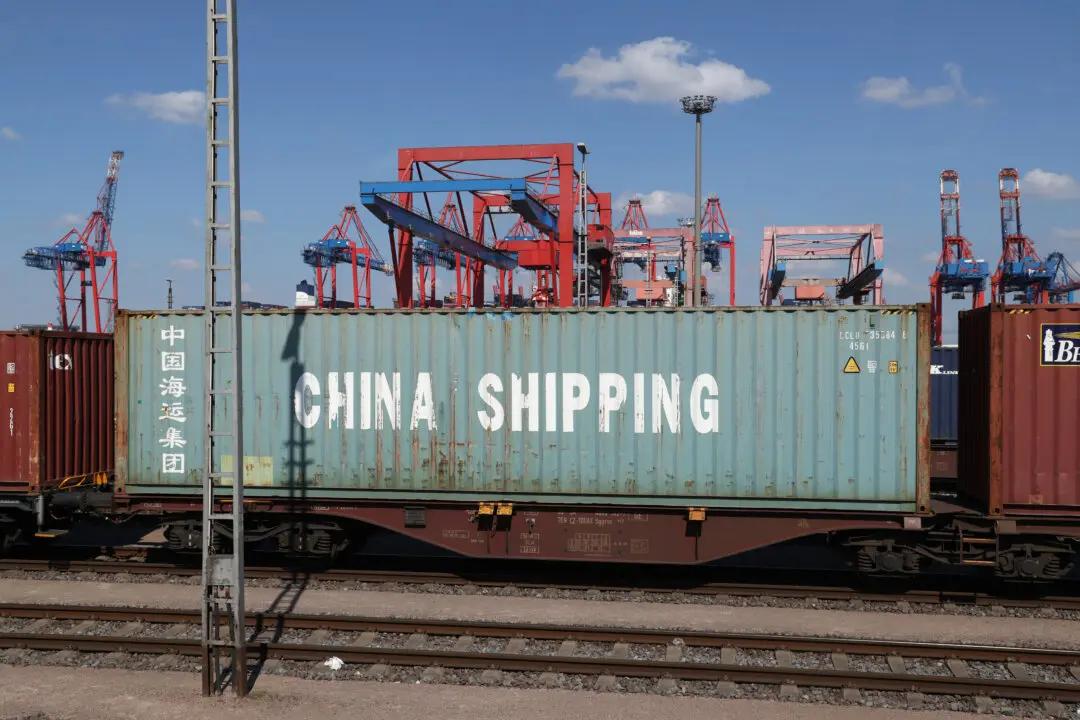
The Trump administration added 43 Chinese companies to a trade blacklist, accusing them of being implicated in the communist regime’s human rights violations in the far-western region of Xinjiang.
The Department of Homeland Security (DHS) expanded the Uyghur Forced Labor Prevention Act Entity List, which blocks imports of Chinese goods produced with forced labor in Xinjiang, the department announced on July 31.
Companies targeted in the action operate in sectors such as aluminum, apparel, copper, cotton, seafood, and tomatoes.
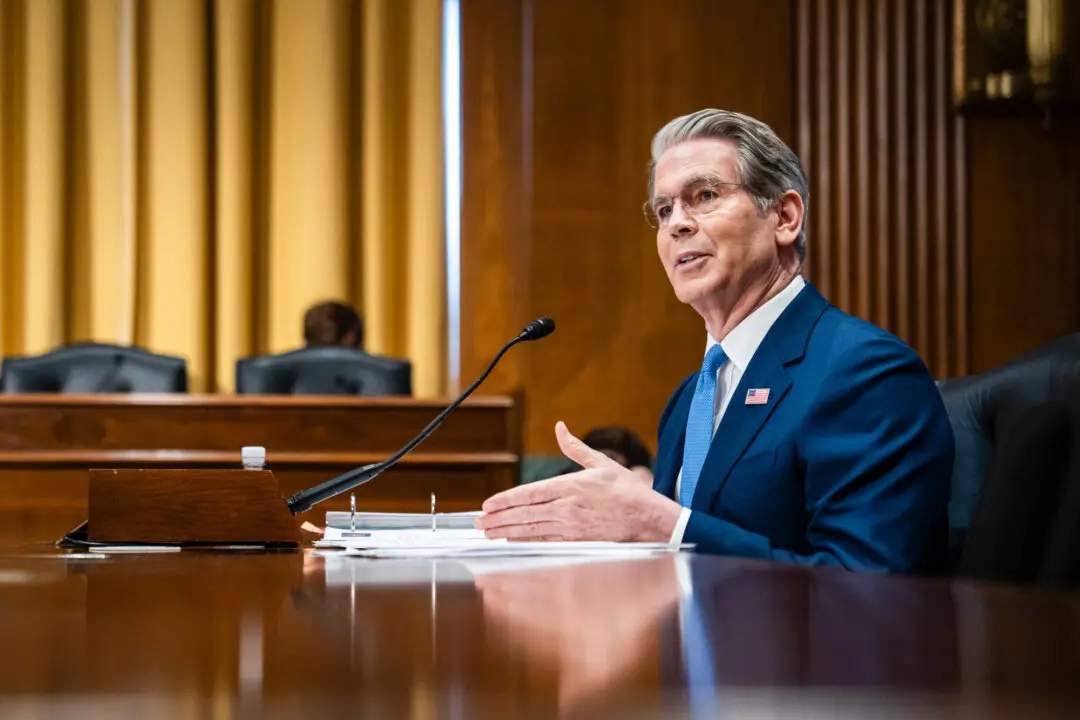
DHS Secretary Markwayne Mullin said the actions are aimed at protecting U.S. citizens from “unfair competition that not only disadvantages Americans, but harms human dignity.”

“The American worker must not be undercut and cheated by foreign companies that use slave labor,” Mullin said in a statement.
Thomas Pigott, a State Department spokesperson, described the expansion of the trade blacklist as part of the Trump administration’s efforts to remove forced labor from global supply chains.
“Forced labor distorts markets and allows foreign actors to abuse the global trading system,” Pigott said in a statement.
“The United States expects our trading partners around the world to enact and enforce similar laws prohibiting goods made with forced labor.”
Among the companies targeted are Shandong Gold Mining, the country’s major gold producer; Xinjiang Nuziline Bio-Pharmaceutical, a chemical manufacturer; and Xinjiang Tianhongji Technology, which makes materials used in lithium battery manufacturing.
The DHS said in a July 31 notice that the company and seven of its subsidiaries were added to the blacklist because the U.S. government has evidence that they source key materials from Xinjiang.
Other additions include Xinjiang Tianyun Organic Agriculture, which produces and distributes cold-water fish, such as salmon. Washington accused it of participating in the state-sponsored “recruitment and labor transfer programs” involving Uyghur and other ethnic minority groups.
The expansion of the blacklist drew praise from Rep. John Moolenaar (R-Mich.), chairman of the House Select Committee on the Chinese Communist Party.
“Today’s action by the Trump administration strengthens America’s economy against products made with slave labor and sends a message to the Chinese Communist Party that we will not look the other way on its genocide and human rights abuses,” Moolenaar said in a statement.
Moolenaar noted that the House panel will continue to push for the enforcement of U.S. laws against forced labor in Xinjiang.
“We are a freedom-loving country, and we will not allow China to export products made with slave labor into our country,” he said.