The Philippine Navy, on July 20, accused China Coast Guard personnel of attacking a sailor with a wooden baton during a violent encounter near a disputed shoal in the South China Sea, escalating tensions between the two Asian powers.
The Filipino sailor sustained injuries, and a rubber boat was damaged in the clash, according to a statement on X from the Armed Forces of the Philippines.
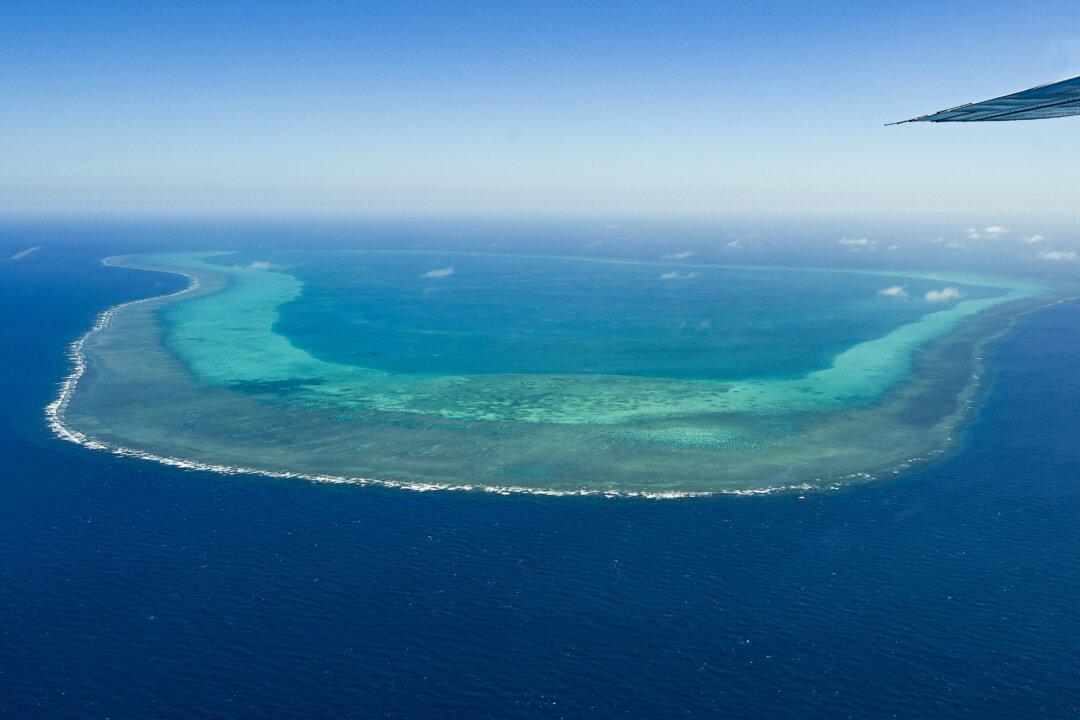
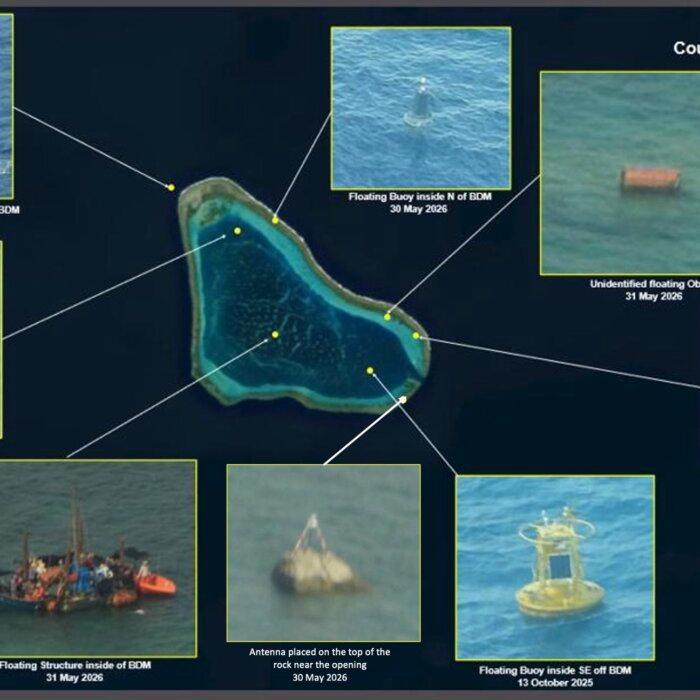
The latest clash took place near Second Thomas Shoal, a submerged reef that the Philippines claims within its 200-nautical-mile exclusive economic zone, as recognized by international law.
The Chinese regime also claims sovereignty over the shoal.
When Filipino naval sailors observed the Chinese coast guard staff circling and taking photos and videos, they responded by deploying two rubber boats to drive them away, according to Manila’s account.
“[The Chinese sailors] reacted violently and aggressively by striking a Philippine Navy personnel on the head with a wooden baton,” the Philippine military said in a statement.
It called on the Chinese military and coast guard to “include their maritime militia to put a stop to their illegal, coercive, aggressive and deceptive actions” in the South China Sea.
“No act of coercion or aggression will deter us from carrying out our constitutional mandate or exercising the Philippines’ lawful rights in the West Philippine Sea,” the Philippine military stated.
The Philippine Defense Ministry said in a separate statement that the latest “act of violence and harassment” by China’s coast guard adds to “a clear pattern of provocative and hostile behavior,” further contributing to Beijing’s “deficit of trust and credibility.”
The Chinese Embassy in Manila rejected the Philippines’ accounts of the confrontation and accused Manila of provoking it.
The regime’s coast guard stated that the Philippine vessel ignored repeated warnings, approached its patrol boat, and was the first to attack its personnel.
The confrontation came as foreign ministers of the Association of Southeast Asian Nations (ASEAN) prepared to gather in Manila this week for their annual summit, with tension around the South China Sea expected to be on the agenda.
Beijing claims almost the entire South China Sea, leading to disputes with Malaysia, Vietnam, and several other neighbors with overlapping claims in the strategic and resource-rich waterway.
Following the Philippines’ legal challenge to the dispute, the Arbitral Tribunal in The Hague ruled in 2016 that the Chinese regime’s vast claims lack legal merit.
The regime rejects the ruling and has repeatedly pledged to defend its sovereignty.
Manila announced earlier on July 20 that Foreign Minister Theresa Lazaro is set to meet with her Chinese counterpart, Wang Yi, on the sidelines of the ASEAN summit, according to the official Philippine News Agency.
U.S. Secretary of State Marco Rubio has departed for the Philippine capital to attend the ASEAN meetings.
According to the State Department, his trip is aimed at advancing “a clear U.S. priority: a free and open Indo-Pacific that delivers safety, security, and prosperity for the region and for the American people.”