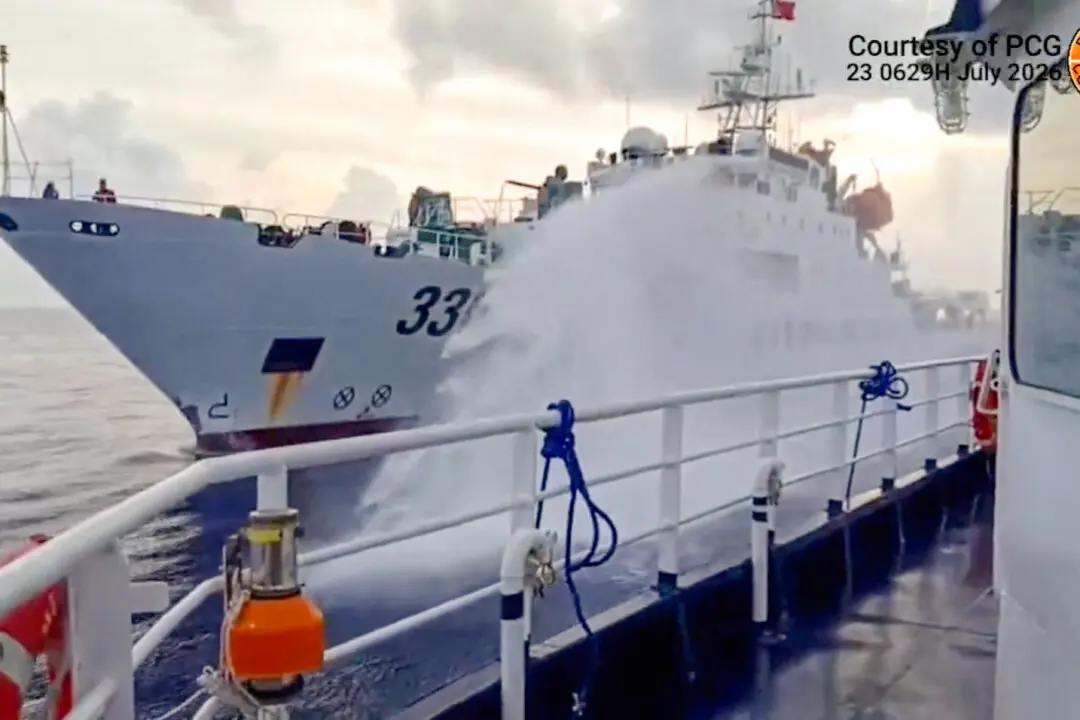
The United States has called on the Chinese regime to cease its “destabilizing conduct” as tensions escalate in the South China Sea, following a violent clash that left a Filipino sailor wounded by Chinese coast guard crewmen on July 20.
U.S. State Department spokesperson Thomas Pigott said the United States stands with its ally the Philippines and condemned “dangerous and aggressive actions” by the Chinese coast guard against Filipino navy personnel in the latest confrontation.
“China’s troubling pattern of provocation against lawful Philippine maritime operations undermines regional peace and stability and directly contradicts China’s repeated commitments to resolve disputes peacefully,” Pigott said in a statement late on July 20.
The Chinese regime, which also claims sovereignty over the Second Thomas Shoal, rejected the Philippines’s account of the encounter.
The regime’s foreign ministry said in a statement on July 21 that it had summoned the Philippine ambassador to lodge a “solemn representation” to protest the incident, which it said was provoked by the Philippine side.
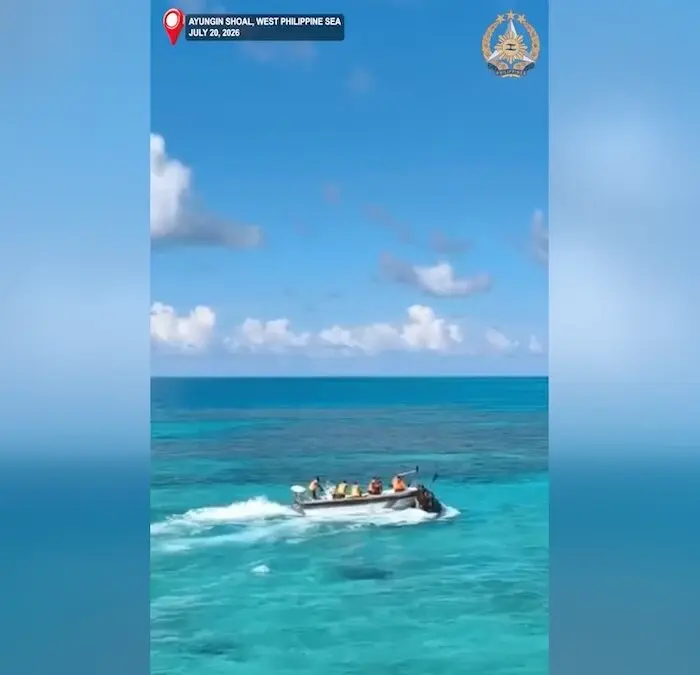
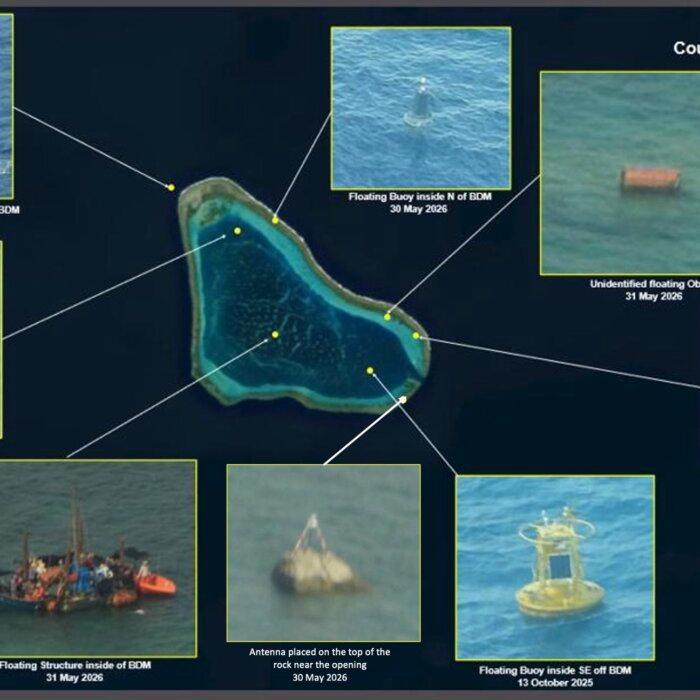
The ministry said Chinese coast guard vessels were carrying out a “law enforcement patrol” near Ren’ai Jiao, using the Chinese name for the shoal. It accused the Philippines of ramming its boat and striking its officers with oars, poles, and other tools.
The Philippine military on July 21 released a second recording of the encounter on X, saying that a Chinese coast guard vessel “unlawfully approached the vicinity of the outpost within waters where the Philippines exercises sovereign rights under international law.” It noted that the Philippine troops “exercised maximum restraint, professionalism, and discipline” despite the regime’s aggression.
In a separate statement, the military denounced the Chinese regime’s claims as “false and misleading.”
“The deployment of two rubber boats was a measured, non-confrontational effort to direct the China Coast Guard vessel away,” it said. “Our personnel did not initiate any confrontation.”
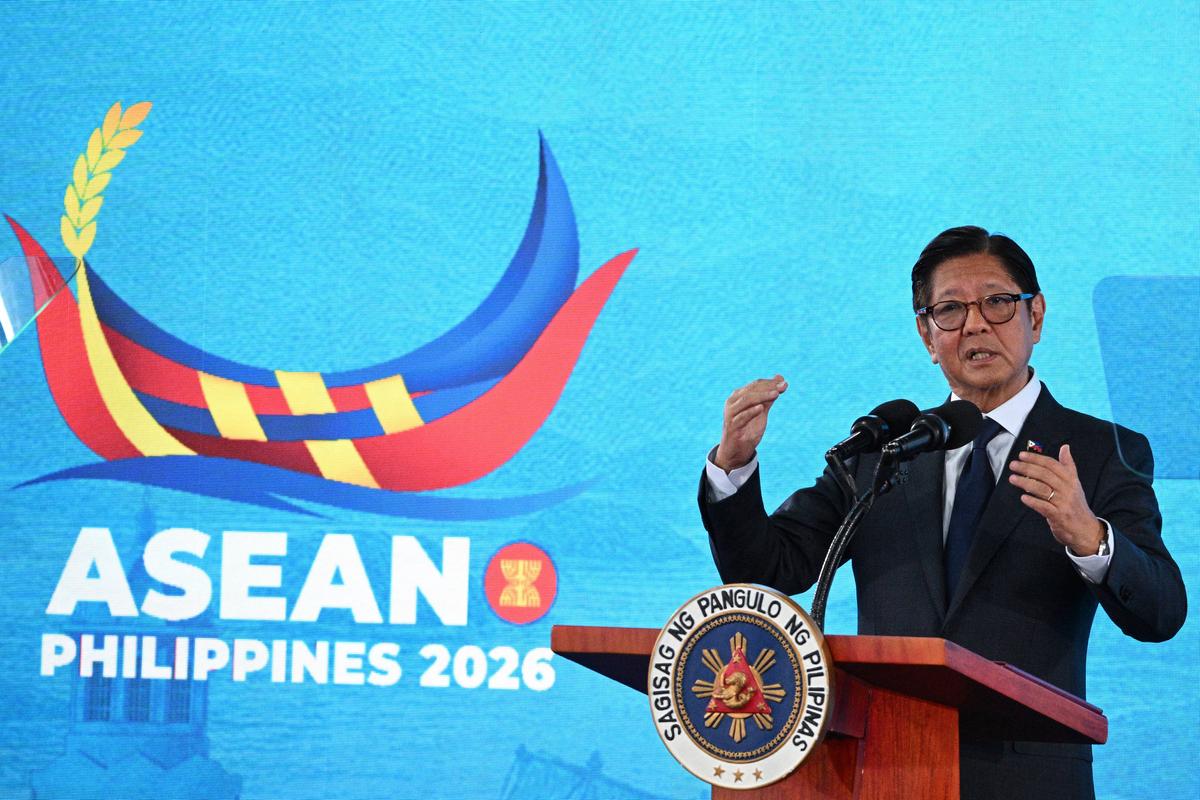
The incident prompted Philippine President Ferdinand Marcos Jr. to summon Chinese Ambassador to the Philippines Jing Quan on July 21, according to photos released by his office and the official Philippine News Agency.
It also sparked concerns among neighbor nations Australia and Japan, as well as the European Union.
Japan’s ambassador to the Philippines said on July 21 that the government stands with countries in maintaining and enhancing “the free and open international order based on the rule of law.”
The EU’s delegation to the Southeast Asian nation said in a statement that it “firmly opposes” any unilateral actions that “endanger the safety of personnel at sea and threaten to undermine regional stability and the international rule-based order.”
Australian Foreign Affairs chief Penny Wong also voiced concern about “destabilizing and dangerous” conduct in the South China Sea.
Speaking at Philippine Coast Guard headquarters on July 21, Wong said the Australian government will continue to “stand up for the rules and norms that underpin ... shared security and shared prosperity,” particularly the UN Convention on the Law of the Sea (UNCLOS).
The Chinese regime claims almost the entire South China Sea, a strategic and resource-rich waterway, despite a 2016 arbitration ruling that invalidated its assertion under the UNCLOS. The regime rejects the ruling and has repeatedly pledged to defend its sovereignty.
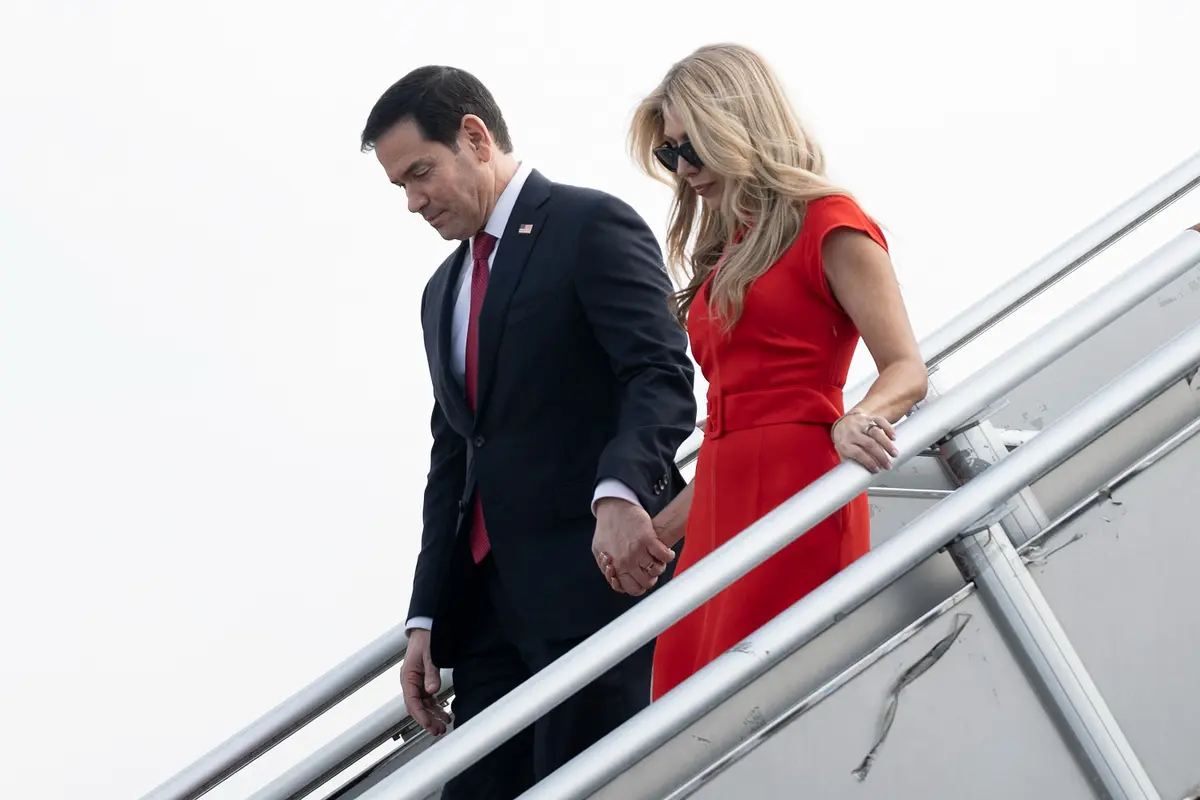
The incident came hours before U.S. Secretary of State Marco Rubio arrived in the Philippine capital for a gathering of foreign ministers from the Association of Southeast Asian Nations (ASEAN).
In an op-ed published in Philippine newspapers on July 21, Rubio noted that this year marked the 10th anniversary of the arbitration ruling on the South China Sea, while calling on allies to play an active role in deterring conflict and protecting sovereign interests “in the face of common challenges.”
Rubio reaffirmed U.S. commitment to freedom of navigation in Southeast Asia, but he cautioned that it is “by no means guaranteed.”
“If those waters fall under the control of a power willing to use commerce as a geopolitical weapon, both the United States and the ASEAN states would face dire new threats to their sovereignty, security, and economic futures,” Rubio said.