Chinese Communist Party (CCP) leader Xi Jinping will meet with his North Korean counterpart in Pyongyang next week, a rare trip that experts suggest is aimed at gaining leverage for a potential second summit with U.S. President Donald Trump.
Xi accepted an invitation from North Korea’s leader, Kim Jong Un, to make a state visit to its communist neighbor from June 8 to June 9, according to a June 5 statement from the CCP’s International Department.
North Korea’s state-run media outlet Korean Central News Agency also announced Xi’s upcoming visit.
The visit marks Xi’s first trip to Pyongyang in about seven years. During his stay, Xi and Kim will discuss “bilateral ties and issues of mutual concern,” said Mao Ning, a spokesperson for the Chinese Foreign Ministry.
By visiting North Korea, Xi aims to ensure that Kim won’t shift too far into the orbit of Russian President Vladimir Putin, while preserving Beijing’s influence in Pyongyang, said Feng Chongyi, an associate professor at the University of Technology Sydney in Australia.
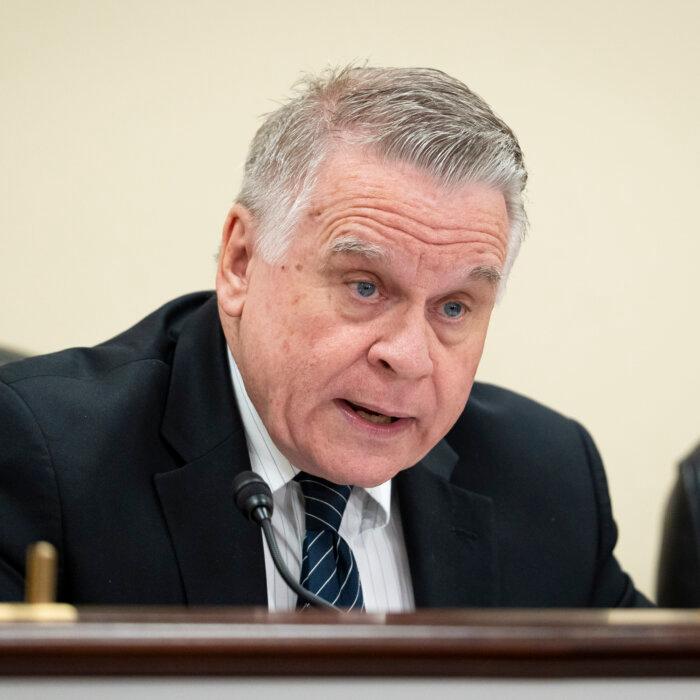
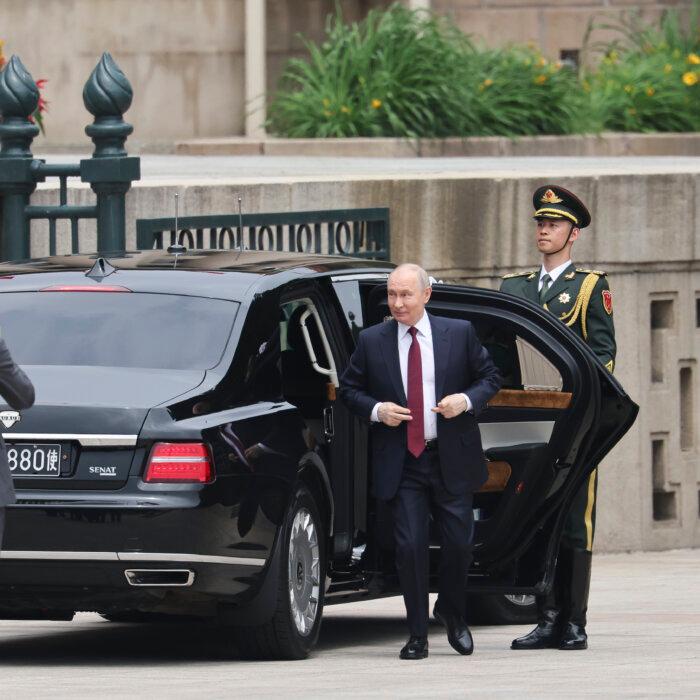
“China feels its influence over North Korea is declining,” Feng told The Epoch Times. “From this perspective, Xi is calculating how to compete with Putin and Russia for influence [in North Korea].”
For more than two decades, China has been North Korea’s dominant trading partner, accounting for 98 percent of Pyongyang’s official trade volume in 2024, according to data compiled by the Korea Trade-Investment Promotion Agency (KOTRA), a South Korean government agency.
In recent years, however, Pyongyang’s economic engagement with Beijing has shown “signs of stagnation” as its military and economic cooperation with Moscow expanded, according to a 2025 report by Korea Development Institute (KDI), a South Korean government-funded think tank. The trend indicated a potential recalibration of Pyongyang’s longstanding external dependencies,” it stated.
Beyond trade and politics, North Korea has supplied troops and arms to Russia amid the Ukraine war, a move criticized by Washington and its allies, who accused Moscow of providing Pyongyang with technological support in exchange.
“Xi doesn’t want Kim to abandon China and jump ship to Russia,” Feng said, describing the relations among Beijing, Pyongyang, Moscow, and Tehran as “sleeping in the same bed, but dreaming different dreams.”
Leverage
Days before meeting Putin, Xi had a long-anticipated summit with Trump, which covered issues ranging from Iran to the Korean Peninsula. According to the White House, the two leaders “confirmed their shared goal to denuclearize North Korea.”Feng, a China studies expert, said Xi’s visit is also designed to demonstrate his influence over Kim, which could give him leverage in negotiations with Washington.
“Xi Jinping doesn’t have a close personal relationship with Kim Jong Un,” Feng said. “But from a geopolitical standpoint, if relations sour, Xi risks losing leverage in handling relations with the United States.”
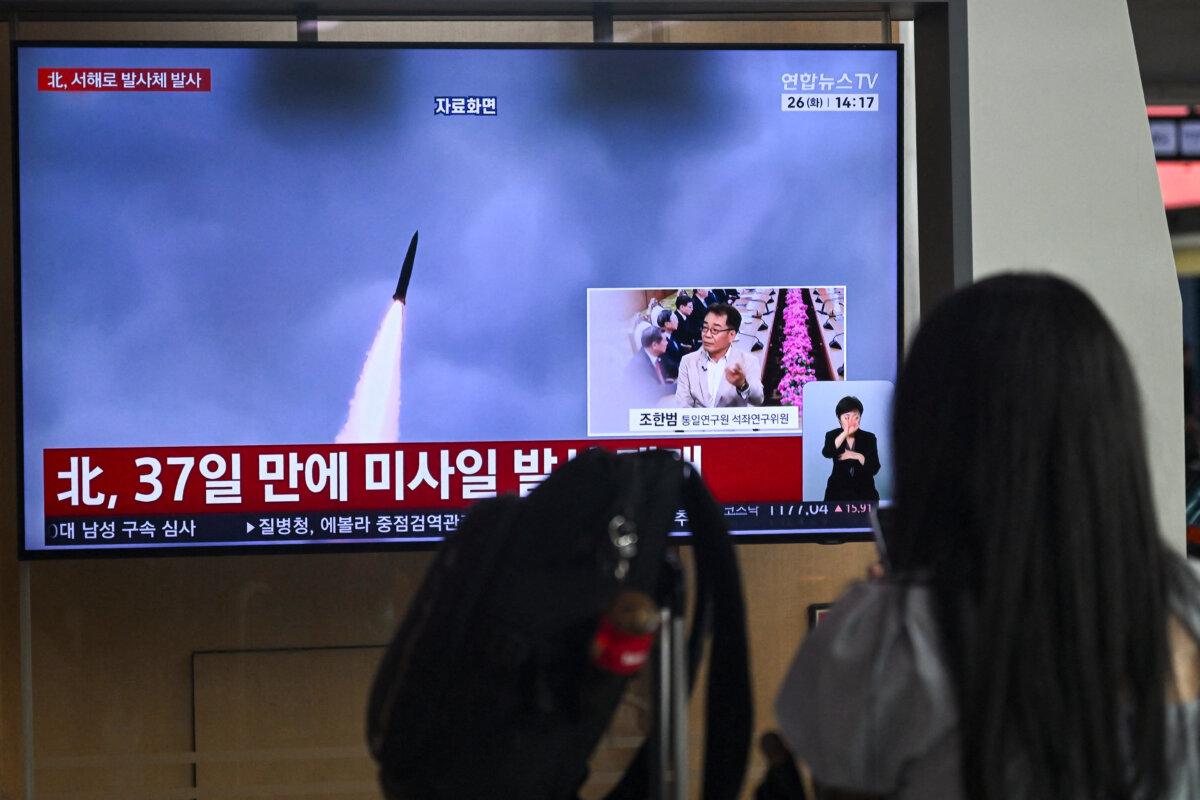
Seoul maintains “close communication” with Beijing on Korean Peninsula issues and expects China to “play a constructive role” on this issue, the Blue House said on June 5, according to South Korea’s Yonhap News Agency.
Earlier this week, Kim called for expanding the country’s nuclear forces at an “exponential rate” after unveiling a new facility to produce nuclear materials, according to North Korea’s state media KCNA.
“While China remains wary of North Korea’s missile and nuclear programs potentially destabilizing the dynamics on the Korean Peninsula, the visit reaffirms the significance Beijing attaches to its relationship with Pyongyang, especially as tensions continue to rise between China and Japan and as Washington, Seoul, and Tokyo consolidate their trilateral security and defense cooperation,” William Yang, an analyst for Brussels-based International Crisis Group, said on X.