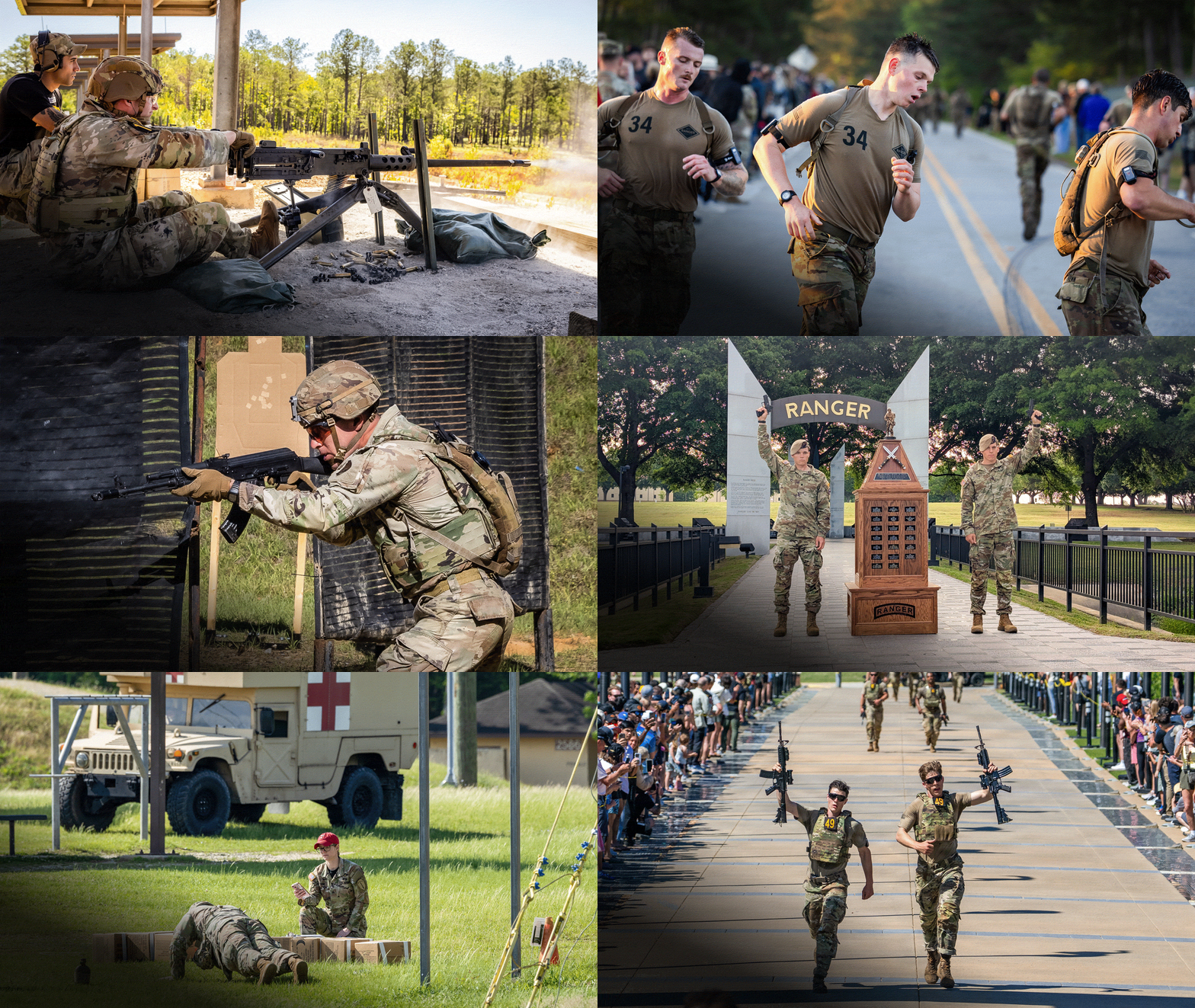

FORT BENNING, Ga.—Hundreds of troops from across the United States and around the world gathered in Georgia from April 7 to April 13 to test their skills in five grueling competitions as part of the U.S. Army’s Infantry Week.
Challenges ranged from hand-to-hand fighting to long-range marksmanship and multimile ruck marches, as competitors vied to demonstrate their prowess in ground combat.
Although winning any of the week’s competitions comes with accolades and bragging rights, the events are about demonstrating the skills critical to success on real-world battlefields.
“The five competitions showcase the essential warfighting capabilities that our soldiers need to be lethal, resilient, and ready for any threat across the globe,” said Brig. Gen. Phillip Kiniery, commandant of the Infantry School at the U.S. Army Maneuver Center of Excellence at Fort Benning.
Best Jumpmaster Competition
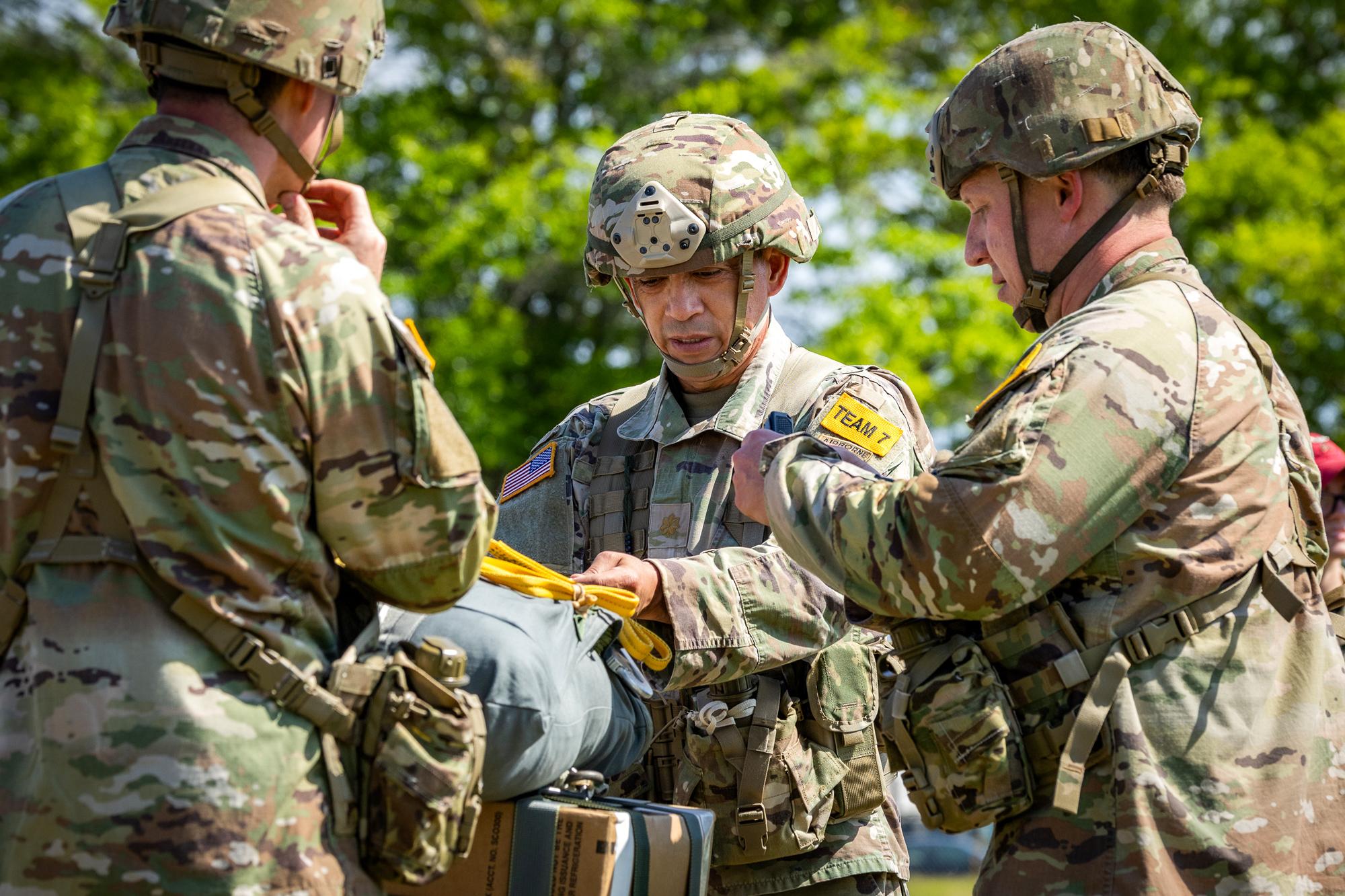
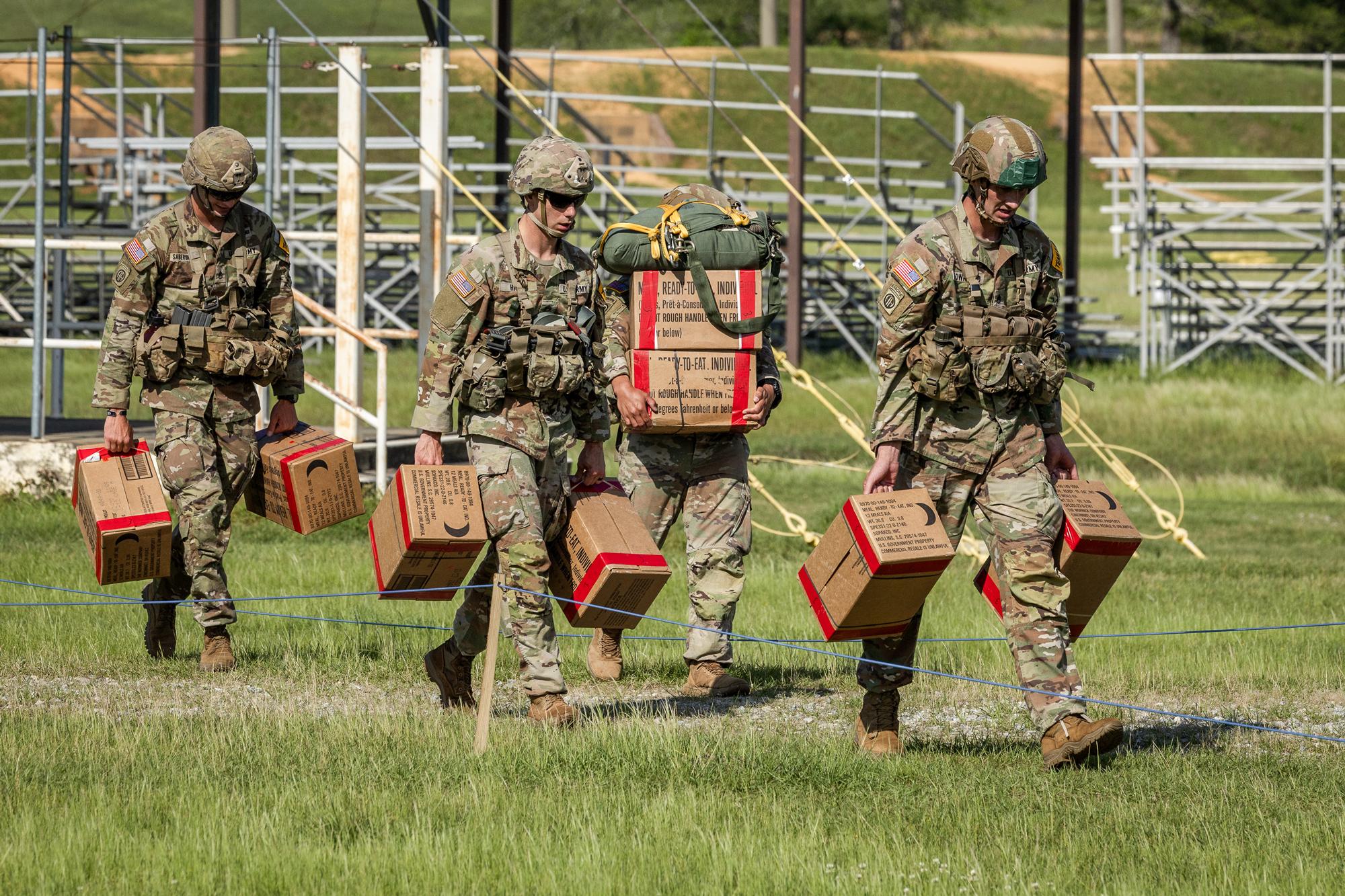
“The overall straightness of this load, this lip, I don’t like that,” Staff Sgt. Kevin Koziol said, as he provided a visual inspection of a door bundle that a team had prepared for airdrop from a moving aircraft.
As a qualified jumpmaster—the expert paratrooper responsible for airborne operations from inside an aircraft—Koziol offered his expertise as a judge in the newest Infantry Week competition: Best Jumpmaster.
In its inaugural showing at Fort Benning’s Infantry Week, the Best Jumpmaster Competition featured seven four-man teams of paratroopers testing their skills at various aspects of packing and using parachutes to deploy themselves and their equipment into a battlefield setting.
The last large-scale U.S. parachute assault into a combat zone took place during the invasion of Iraq in March 2003, when about 1,000 paratroopers from the 173rd Airborne Brigade dropped into northern Iraq.



Although massed parachute assaults have been less common in the modern age, paratroopers from the Army’s 82nd Airborne Division continue to provide a global rapid response deployment capability. Members of the 82nd Airborne recently deployed to the Middle East amid fighting with Iran.
The ability to air-drop supplies also remains relevant in modern conflicts. The U.S. military conducted multiple airdrops of humanitarian supplies into the Gaza Strip as Israeli forces conducted combat operations there after Oct. 7, 2023.
Teams were judged on their scores across the various competition events. Those events included physical fitness assessments, a written test of teams’ knowledge of equipment and parachute infantry history, practical tests of their ability to rig parachutes for specialized items, their ability to correctly inspect parachute equipment, and evaluations of their abilities to perform critical tasks from an aircraft.
A team representing Fort Benning’s Airborne and Ranger Training Brigade won the inaugural Best Jumpmaster Competition.
International Sniper Competition
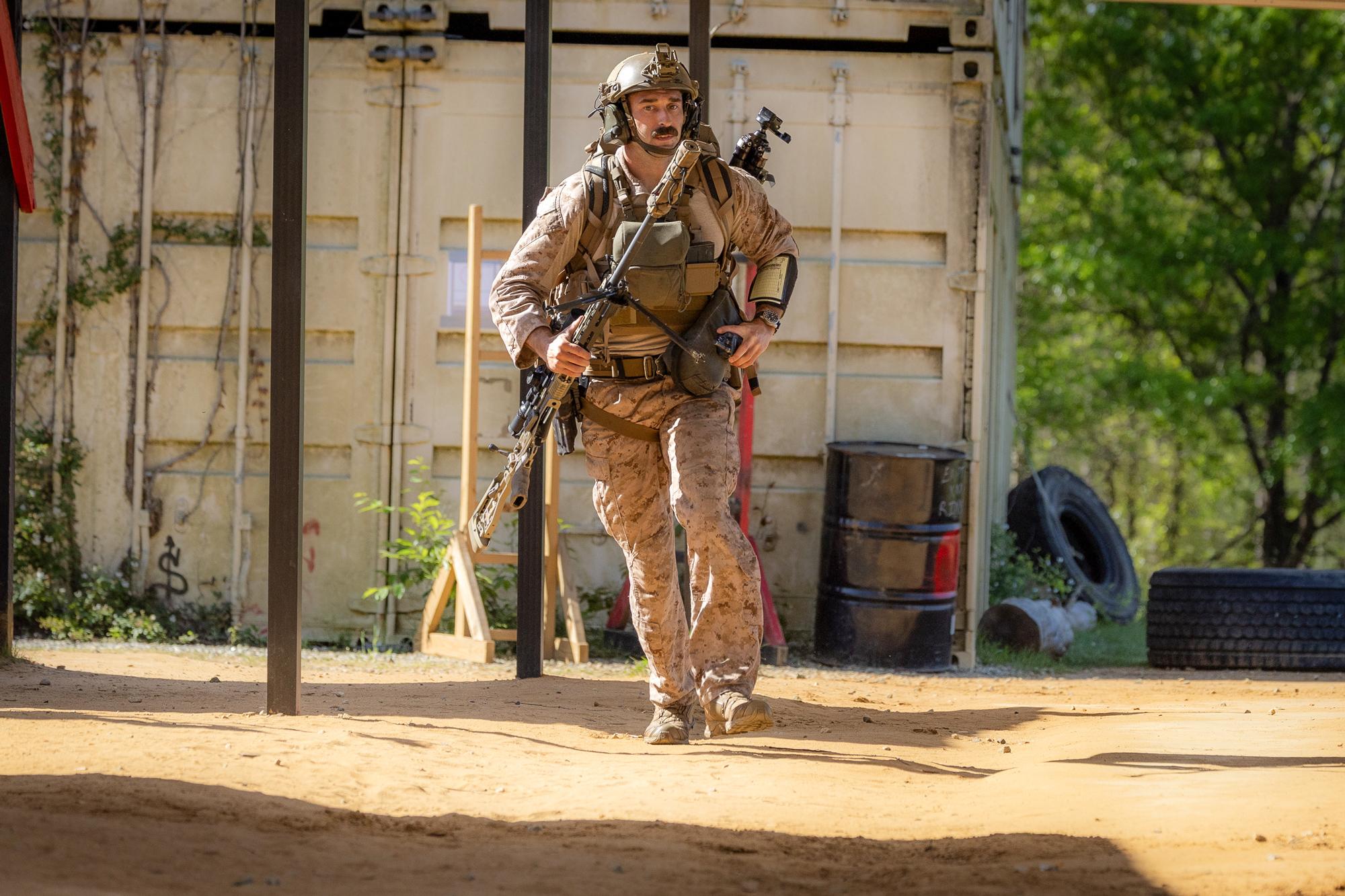
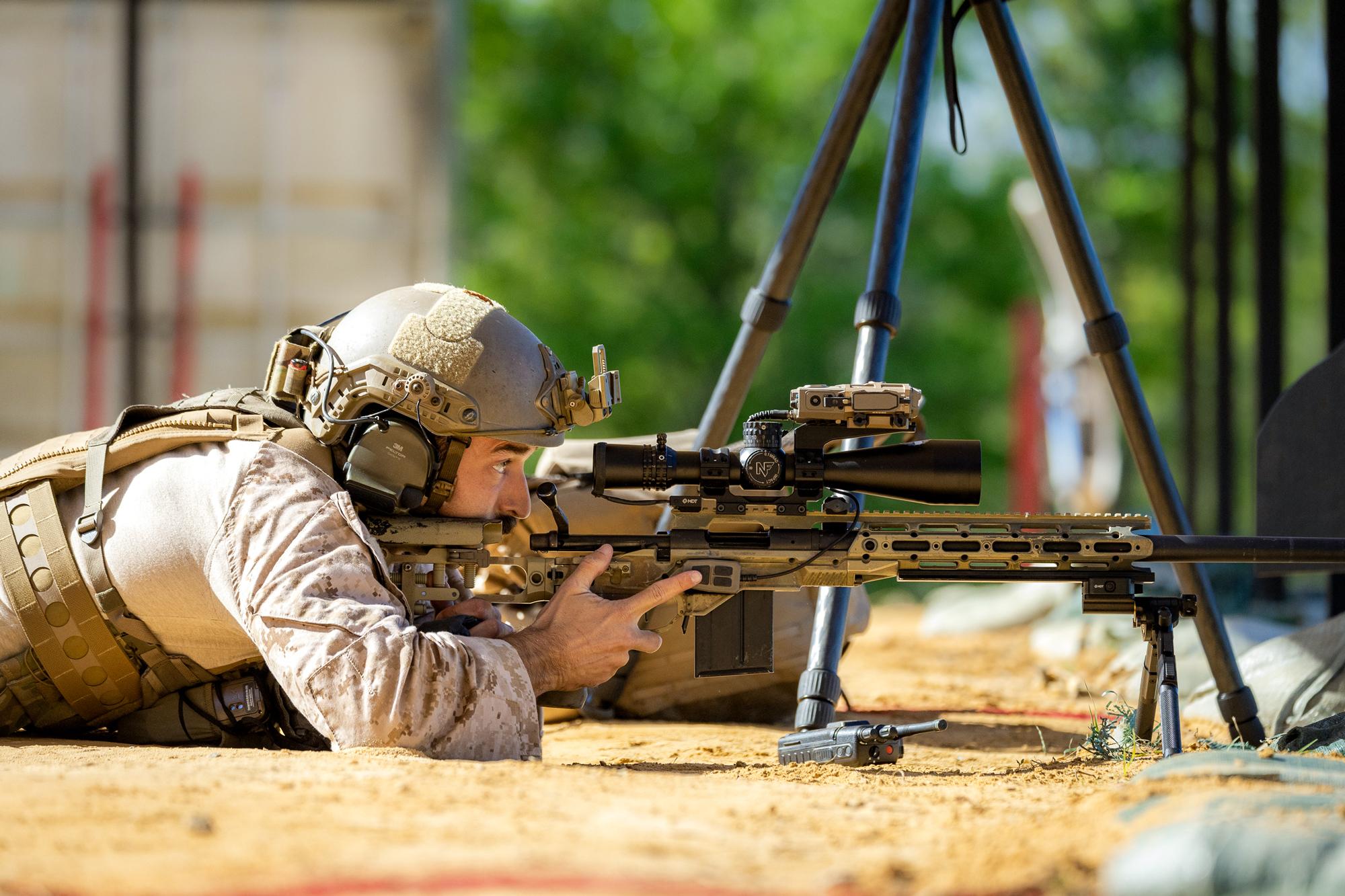
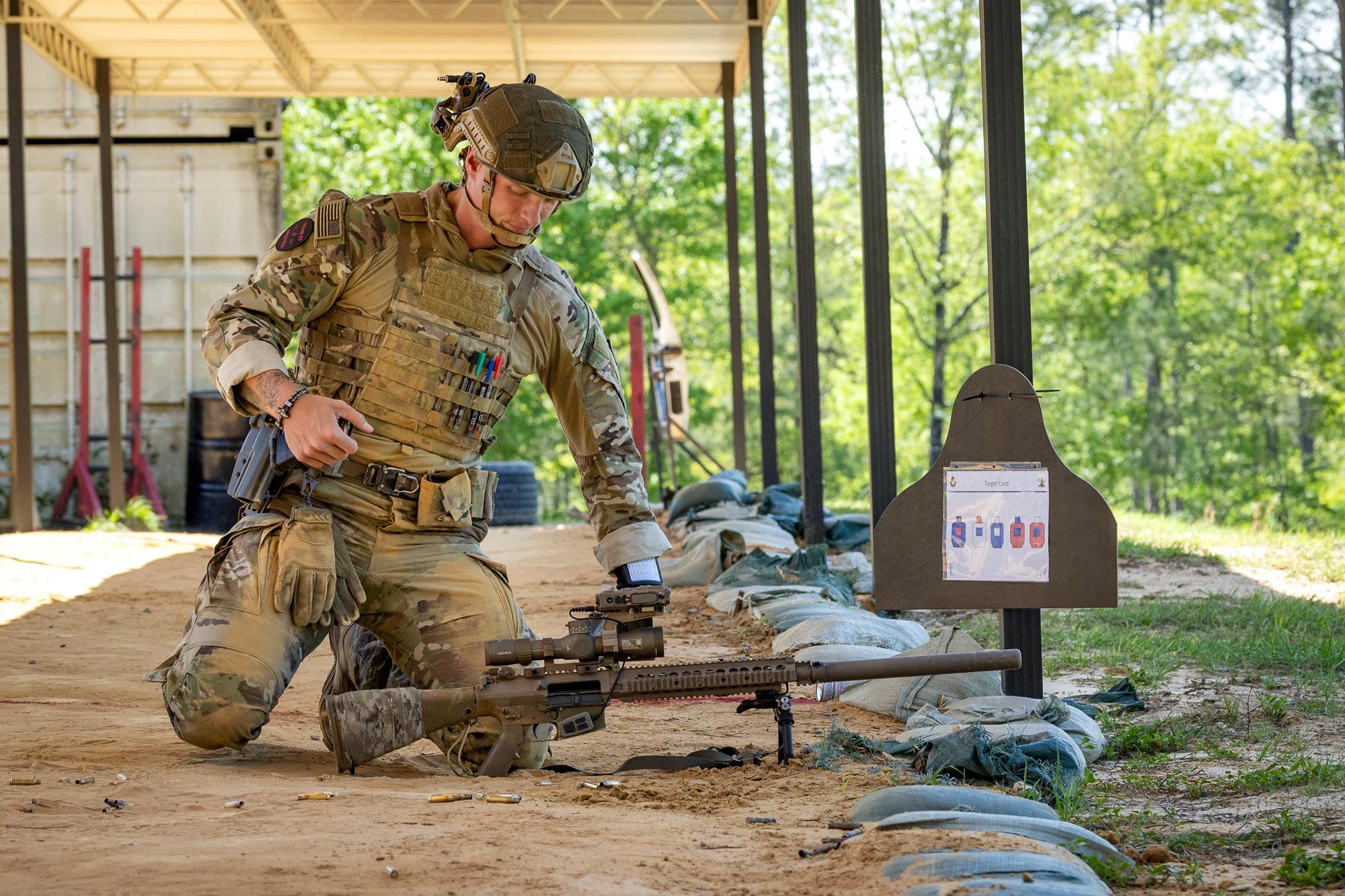
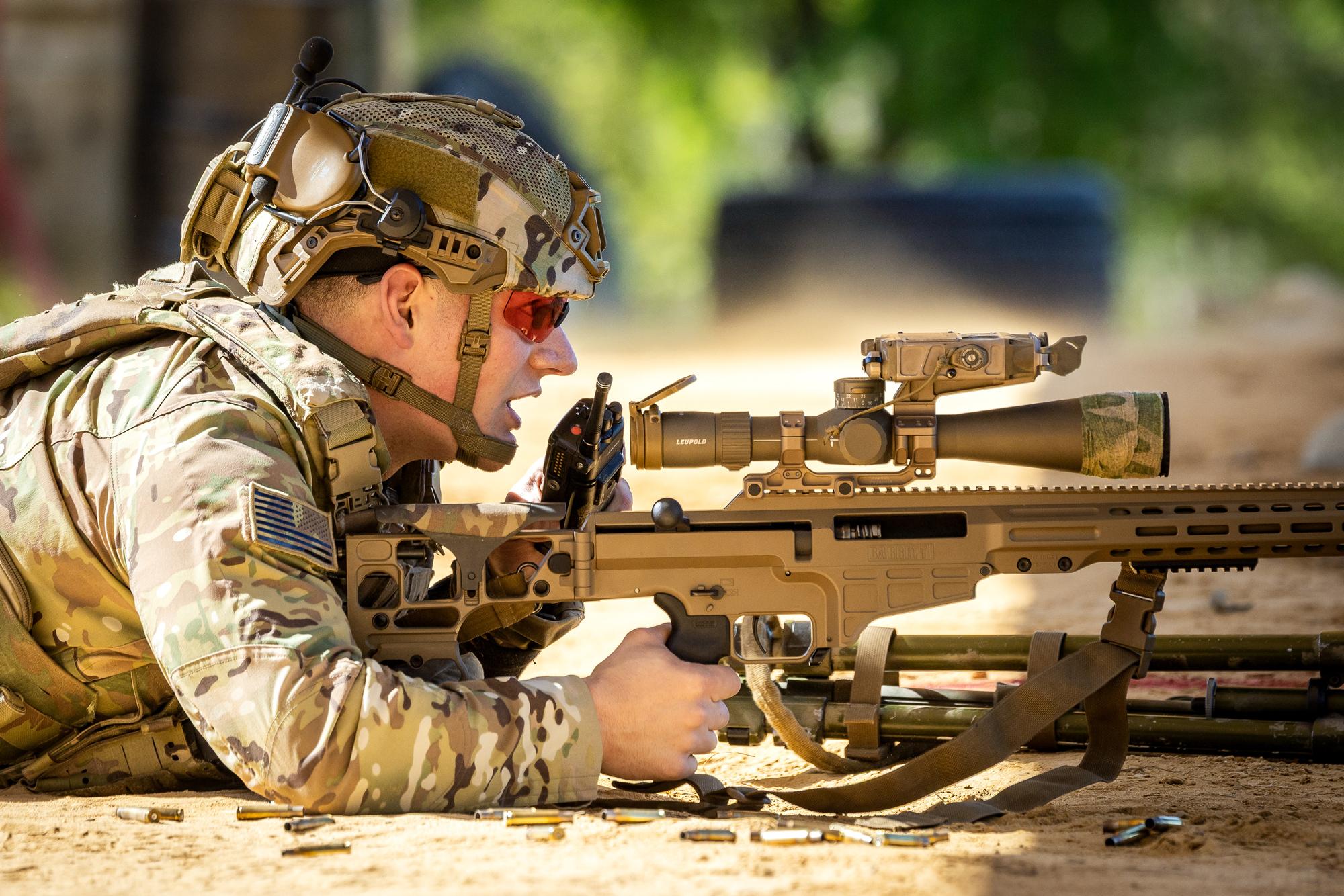
Marine Staff Sgt. Tyler Johnson came running onto the firing line, carrying a bolt-action MK22 sniper rifle. As he set his rifle on the ground, he began relaying target instructions over a walkie-talkie to his teammate, Sgt. Spencer Harrell, who was located in a separate structure.Known as the communications planning event, the specific challenge called on two-man teams to identify targets, place shots, and relay corrective information about their shots while physically separated.
Johnson and Harrell were among the 34 teams to compete in the International Sniper Competition.
Unlike other competitions at Infantry Week, this event was open not only to members of the Army, but also to the Marine Corps, the Navy, and international competitors. Teams from Denmark, the UK, Germany, Canada, France, Brazil, Finland, South Korea, Singapore, the Netherlands, Sweden, and Ireland also competed.
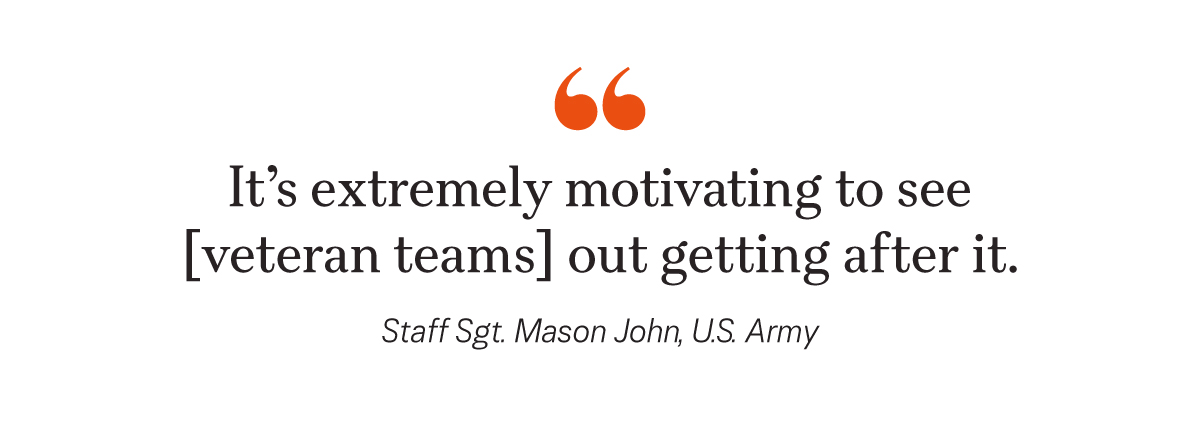
Teams were assessed on their marksmanship, their skills at observation and reconnaissance, and their ability to remain stealthy in a field setting.
Johnson and Harrell won the competition for the Marine Corps. U.S. Army teams representing the 75th Ranger Regiment and Third Special Forces Group won second and third place, respectively, while a team representing the Michigan National Guard took fourth place and an Irish military team took fifth place.
Army Staff Sgt. Mason John, who graduated from a sniper course only a month before the competition began, said he was humbled to be in the presence of many veteran teams.
“It’s extremely motivating to see those guys out getting after it,” John told The Epoch Times.
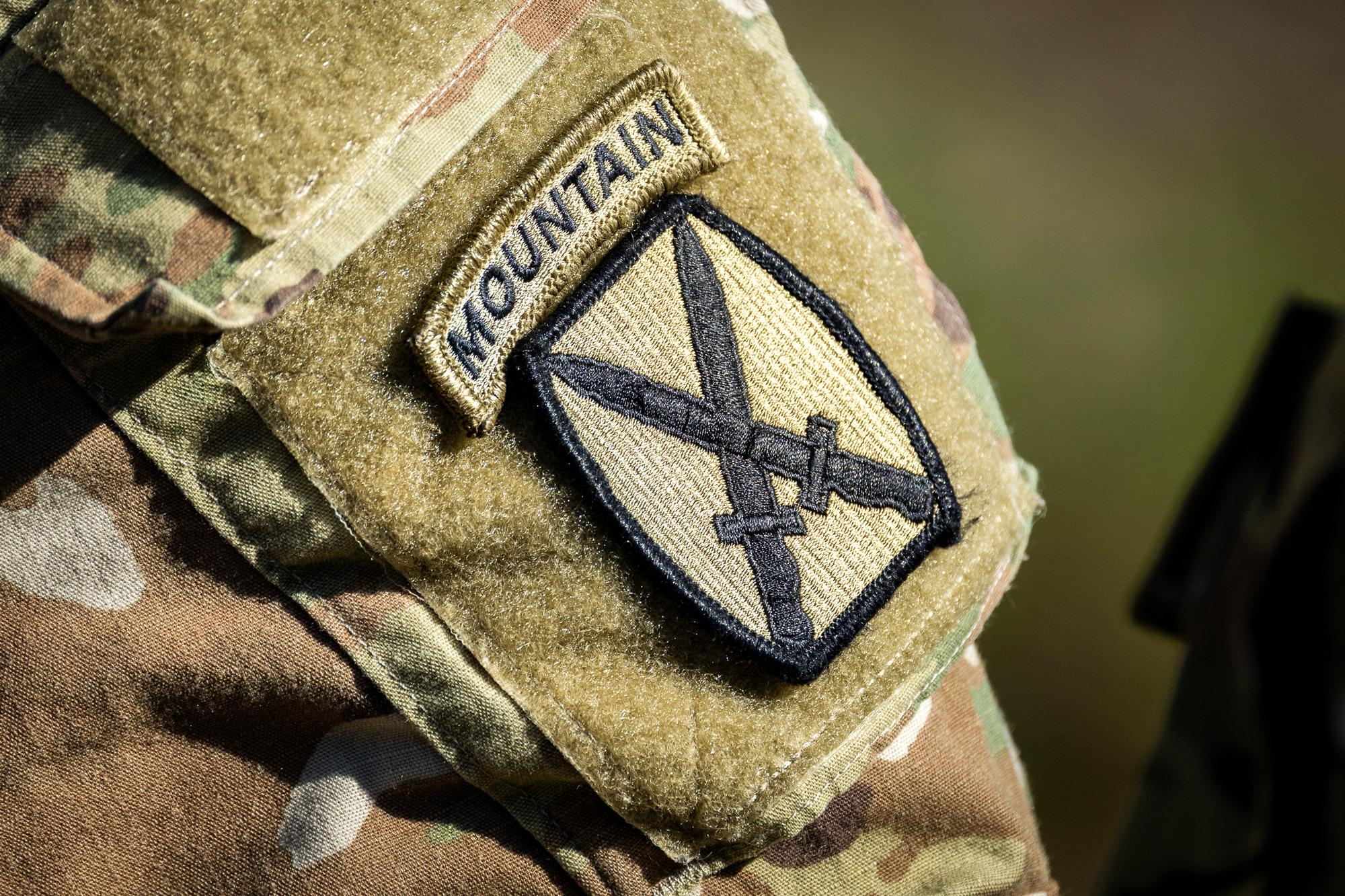
John and his teammate, Sgt. Darien Jones, represented the Army’s 10th Mountain Division in the 34-team competition. John and Jones both came to the Army as general infantrymen, but have gone through sniper training as an additional qualification.
“You just kind of fall in love with the craft,” Jones said.
“Getting better, seeing results and progress, you want more. It’s addicting.”
Best Mortar Competition
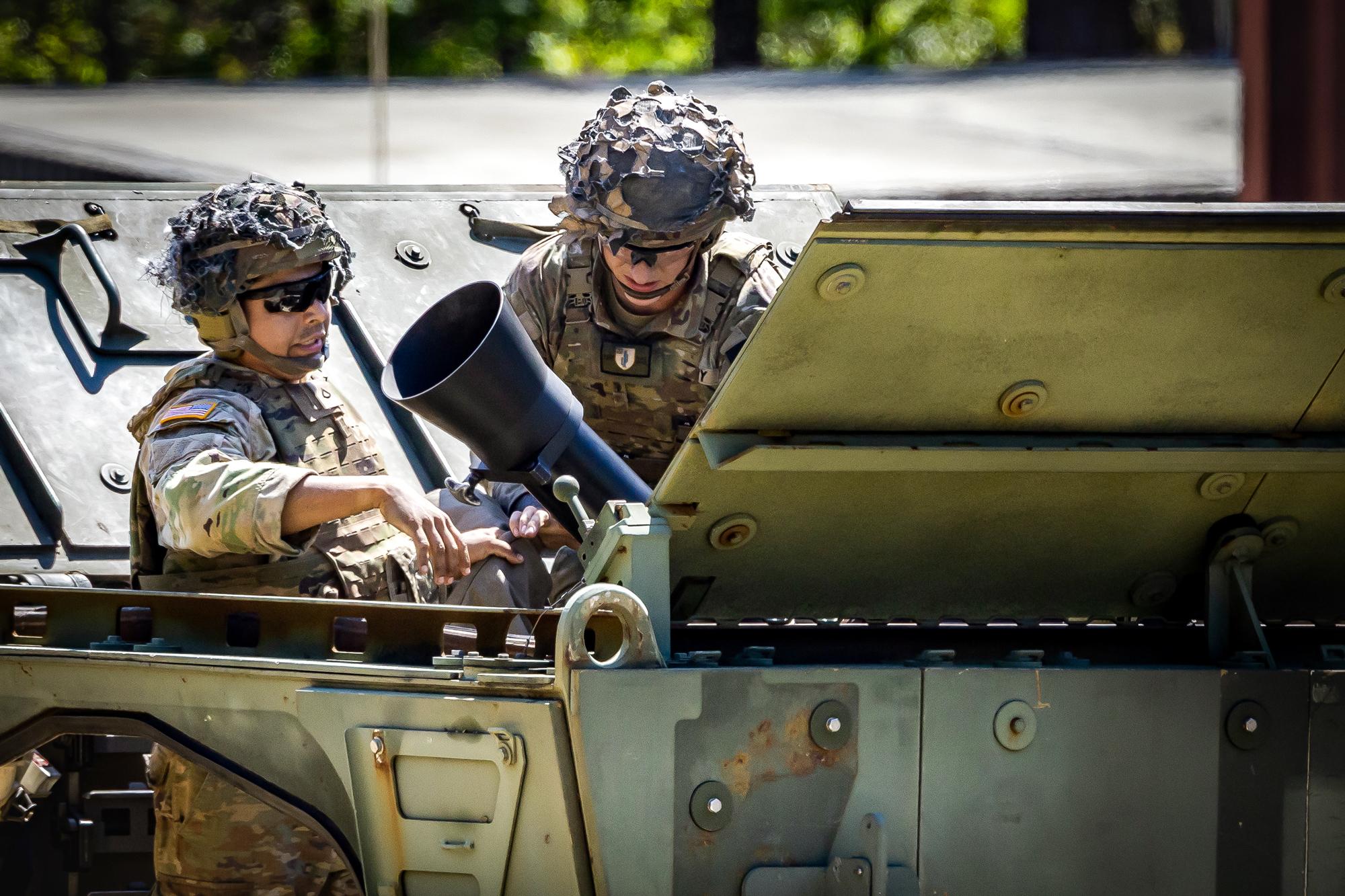
The 2026 Best Mortar Competition featured more events than previous years.In addition to being tested on their ability to aim and fire various mortar systems, the teams were also tested on land navigation and marches, as well as their marksmanship with rifles and machine guns.
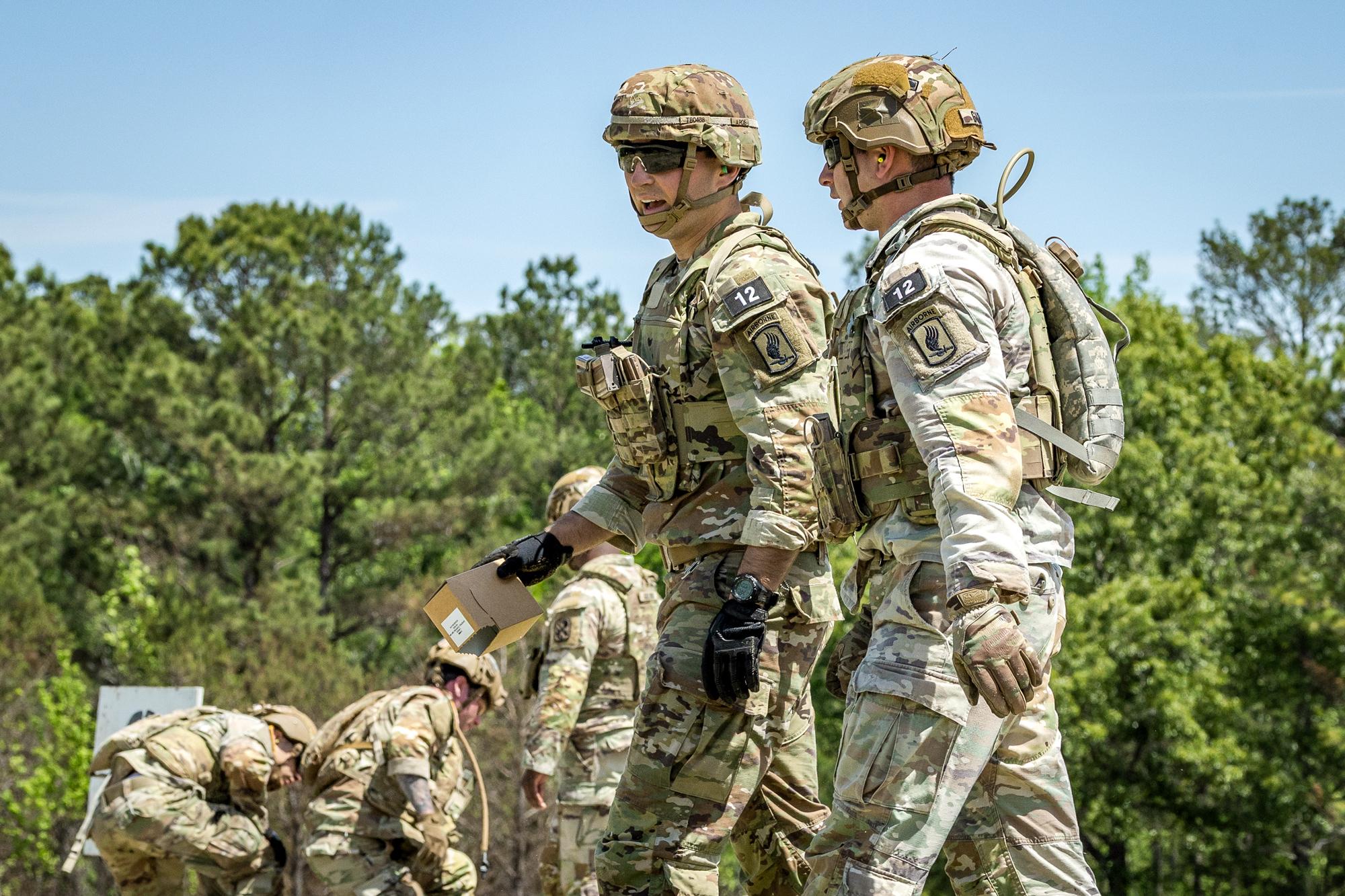
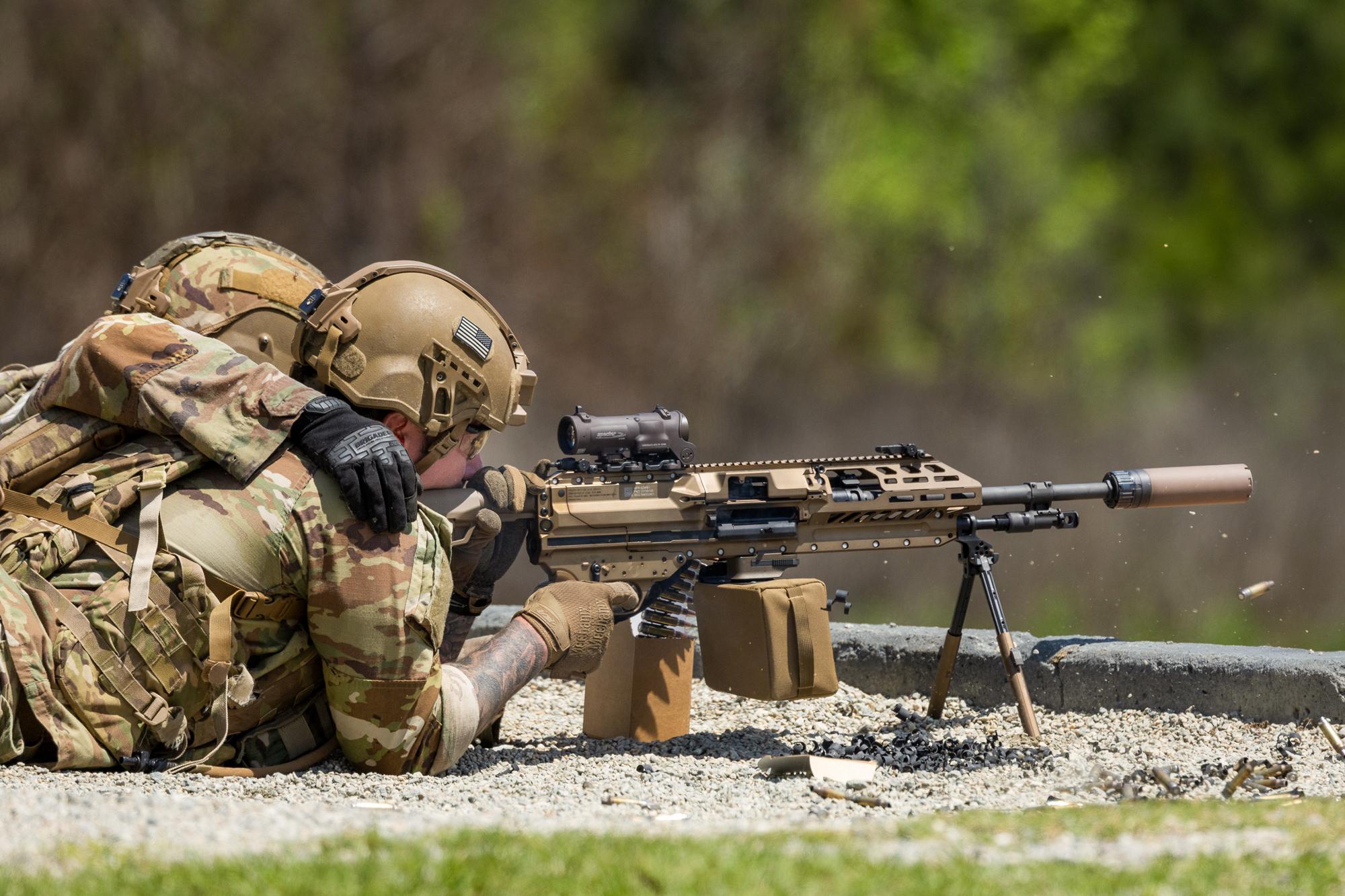
Among the new events was a marksmanship challenge with the Army’s new M250 light machine gun.
The M250 was designed as a replacement for the Army’s M249 light machine gun, and is still transitioning into service. It is being fielded to soldiers through the Army’s Transformation in Contact initiative. The initiative aims to evaluate improvements and identify the best methods for employing the weapon on the battlefield.
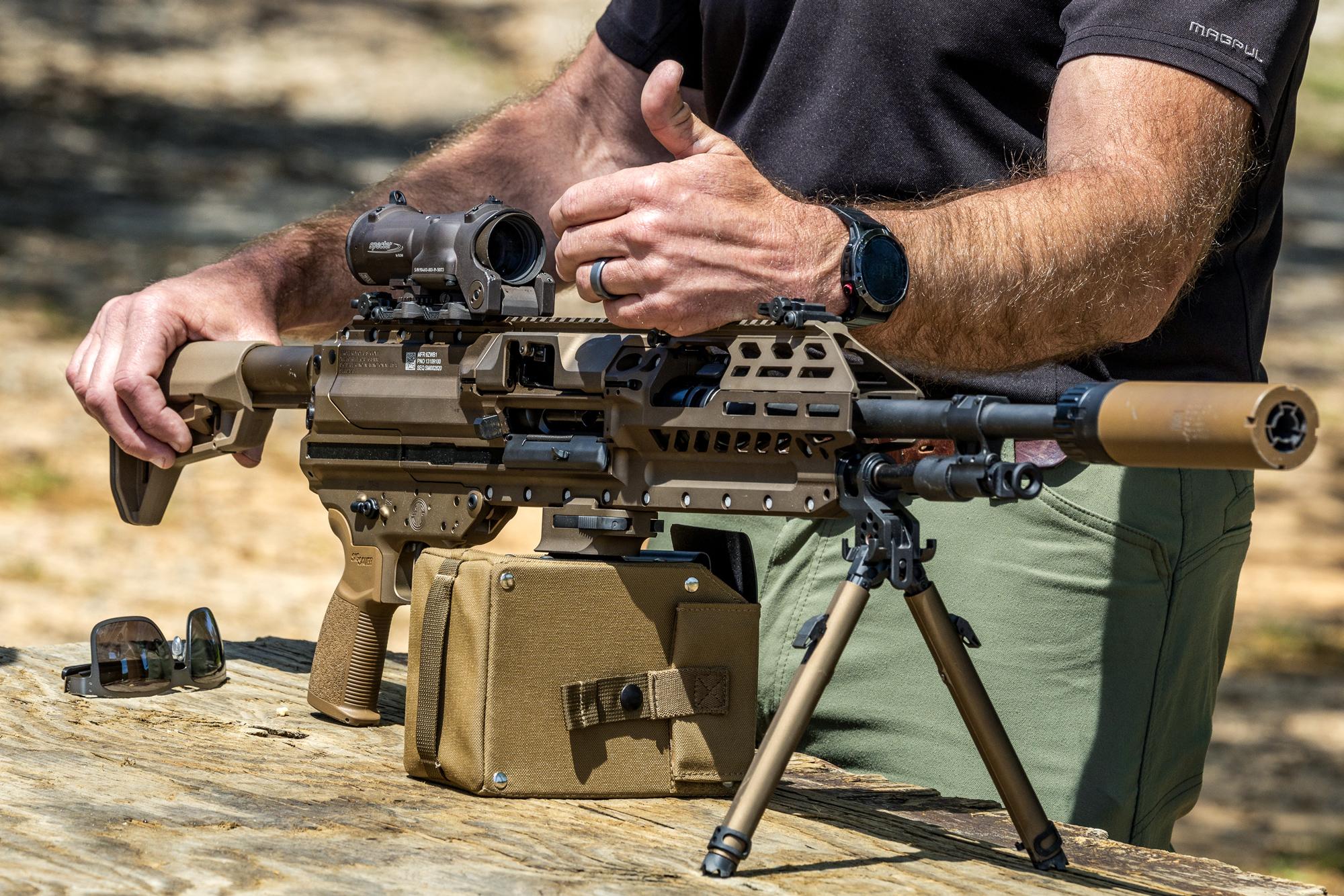
“Transformation in Contact is meant to give the weapons systems to soldiers, let them use them, and then get feedback from them,” said Daryl Easlick, a test and evaluation manager for the Army’s Maneuver Future Capability Directorate.
Easlick monitored the M250 marksmanship event on April 8, watching how various competing teams handled the weapons.
A team representing the 2nd Cavalry Regiment won this year’s mortar competition.
Lacerda Cup
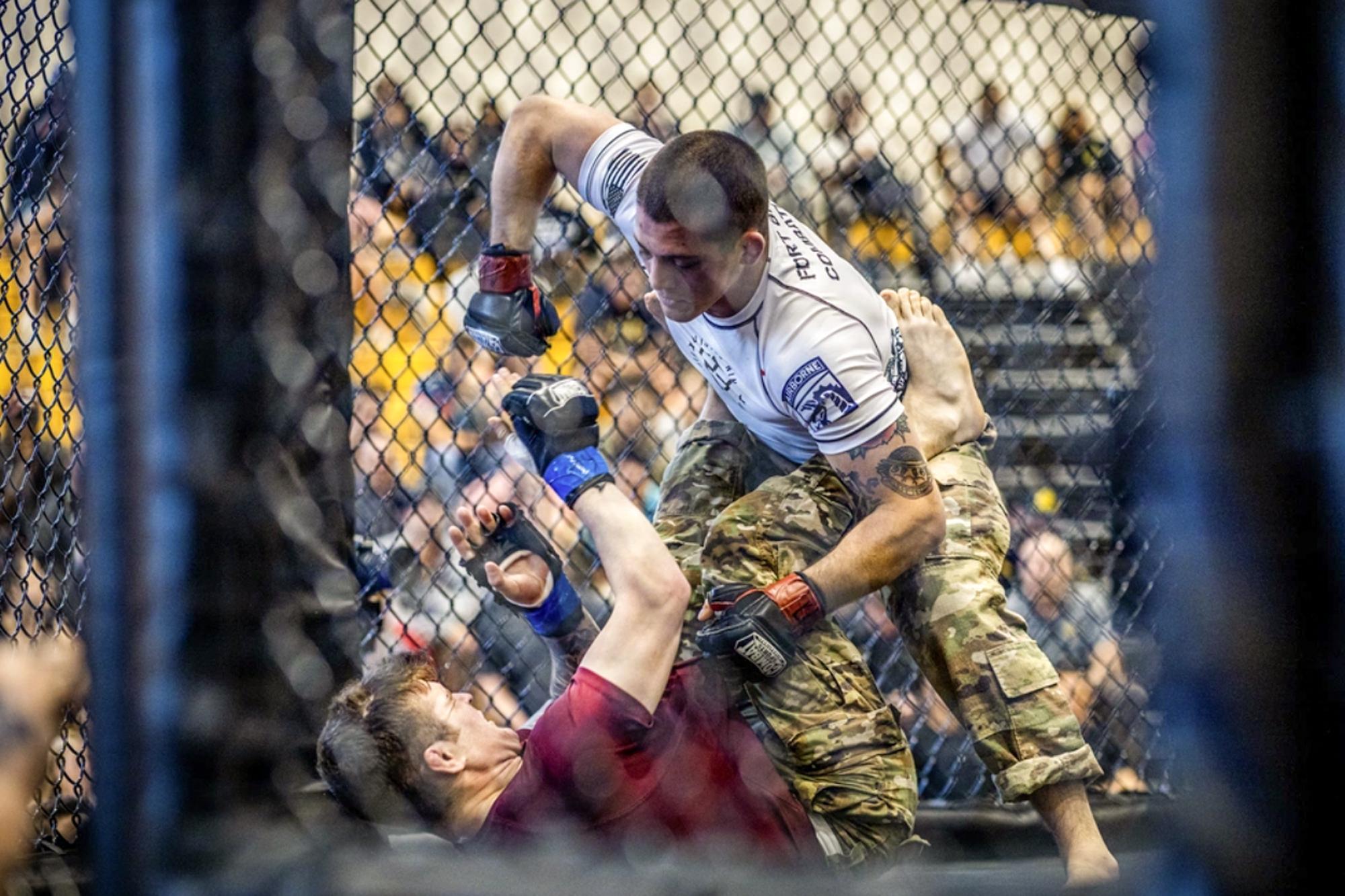
Infantry Week also featured a mixed martial arts competition, known as the Lacerda Cup.Named for the late Staff Sgt. Pedro Lacerda, a Ranger and combative tournament champion, the competition serves as a test of soldiers’ hand-to-hand fighting skills.
Twenty-one teams from across the Army brought out soldiers to compete across eight weight classes.
A team representing the 101st Airborne Division placed first in the team-wide competition.
Soldiers competed on April 10 for top placements across the various individual weight classes.
Best Ranger Competition
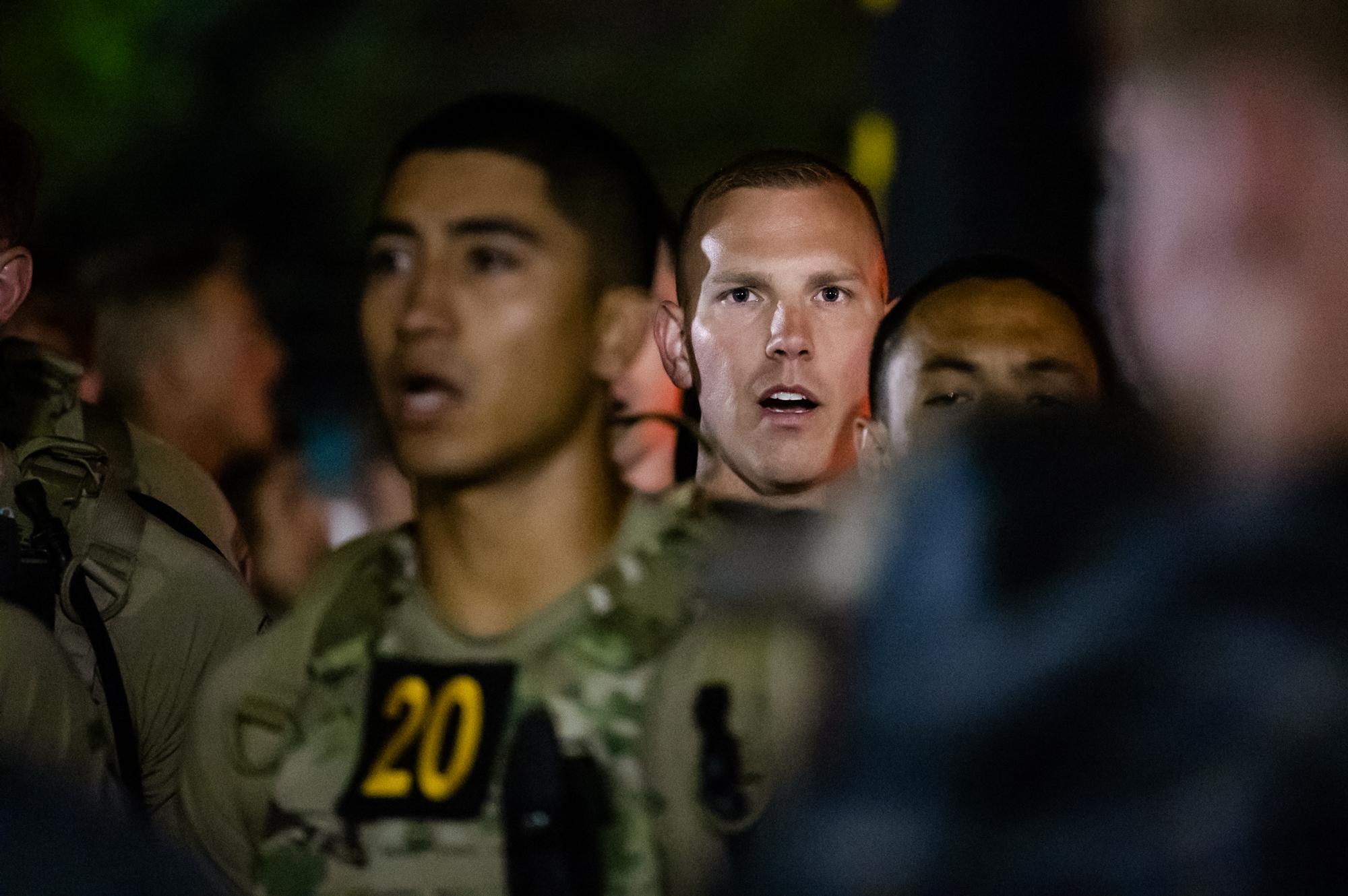
Before dawn on April 10, 61 two-man teams from across the Army toed the starting line for the fifth and final competition of Infantry Week, the Best Ranger Competition. The competition is designed to emulate some of the challenges of the Army’s 62-day Ranger School.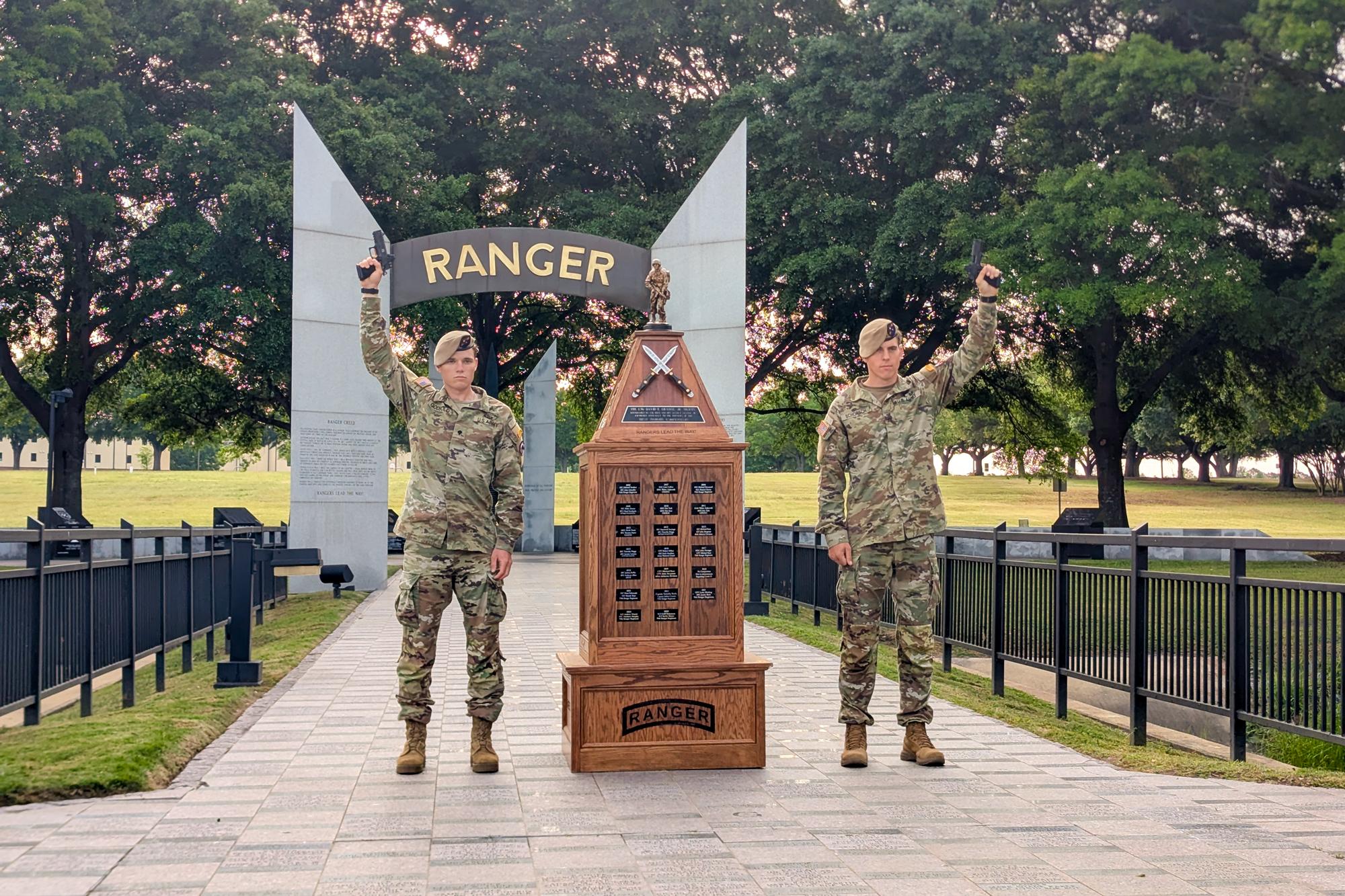
“At Ranger School, this is America’s leadership crucible, and we prepare Americans for their worst day,” Col. Stewart Lindsay, commander of the Airborne and Ranger Training Brigade at Fort Benning, told The Epoch Times.
When the starting gun went off shortly after 5 a.m., the teams charged forward into the dark to begin the three-day ordeal. They first completed a multimile run-swim-run event, followed by the “buy-in” event to determine the top 40 teams that would proceed through the rest of the first day.
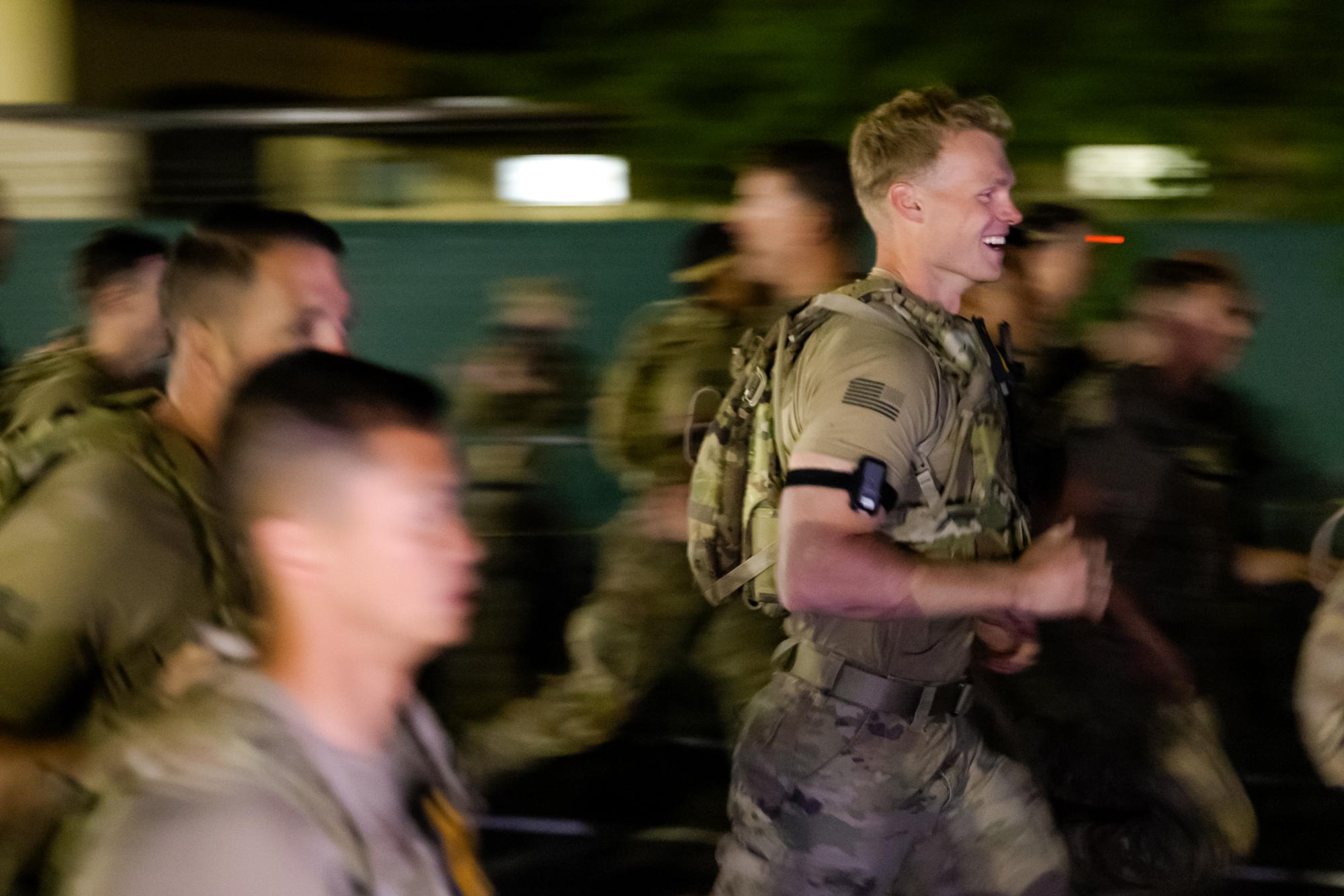
As the first day of competition wore on, competitors ran through a series of events to test their soldiering skills, including their proficiency with a wide range of weapons and military equipment. The first day ended with “Ranger Reckoning,” in which the field was whittled down to the top 32 teams.
The second day of the contest saw teams fast-rope from helicopters into a field to complete a series of events, further testing their physical strength, stamina, and technical proficiency. Between sets of weights and calisthenics, competitors found themselves repairing a military vehicle, operating a small drone to search through a building, and breaching a series of locked doors.
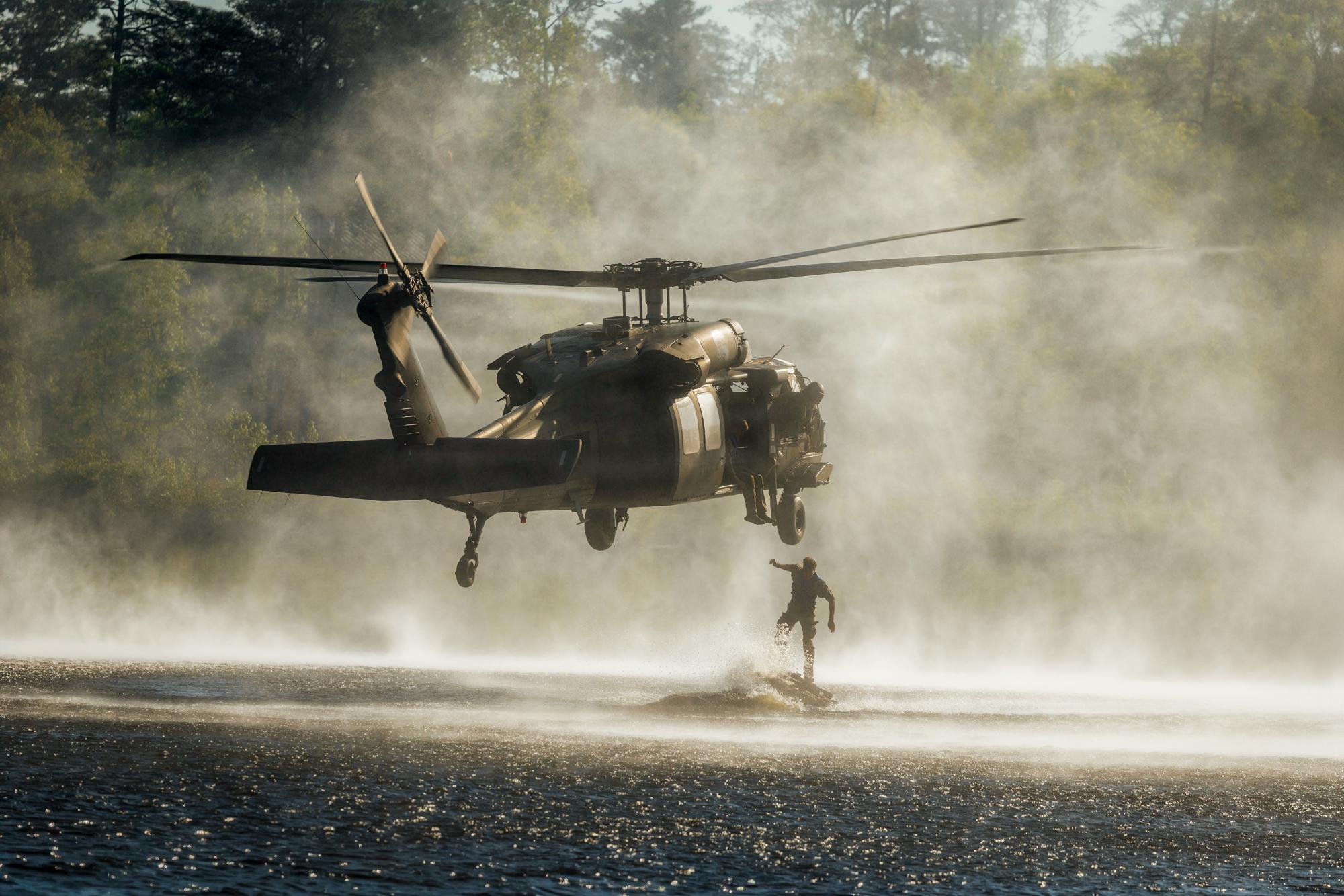
The competition entered the home stretch on the morning of the third day, as competitors from the top 16 teams leapt from helicopters into Fort Benning’s Victory Pond before swimming to shore to face yet more challenge courses, including archery, wall-climbing, rappelling, and navigating an escape room.
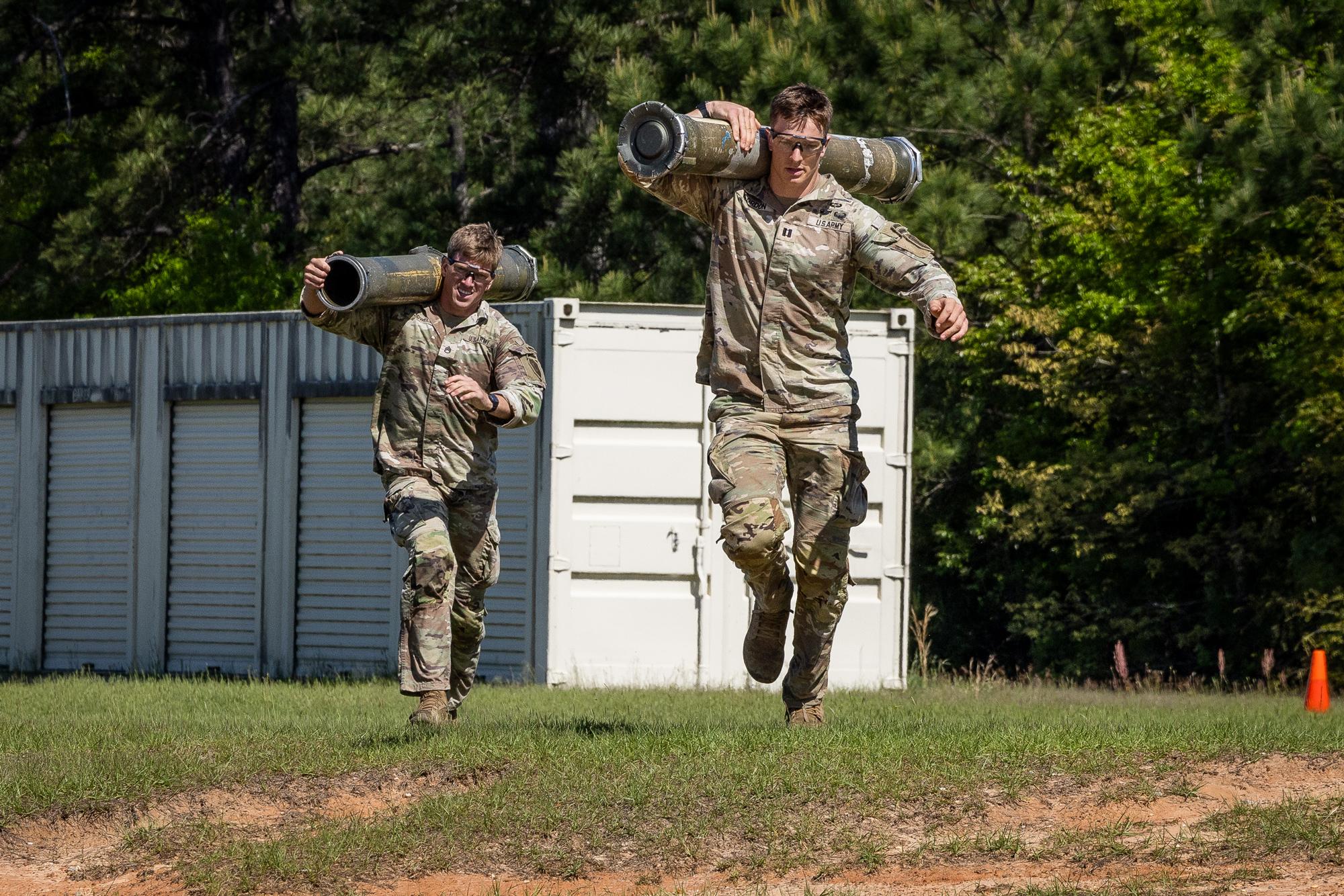
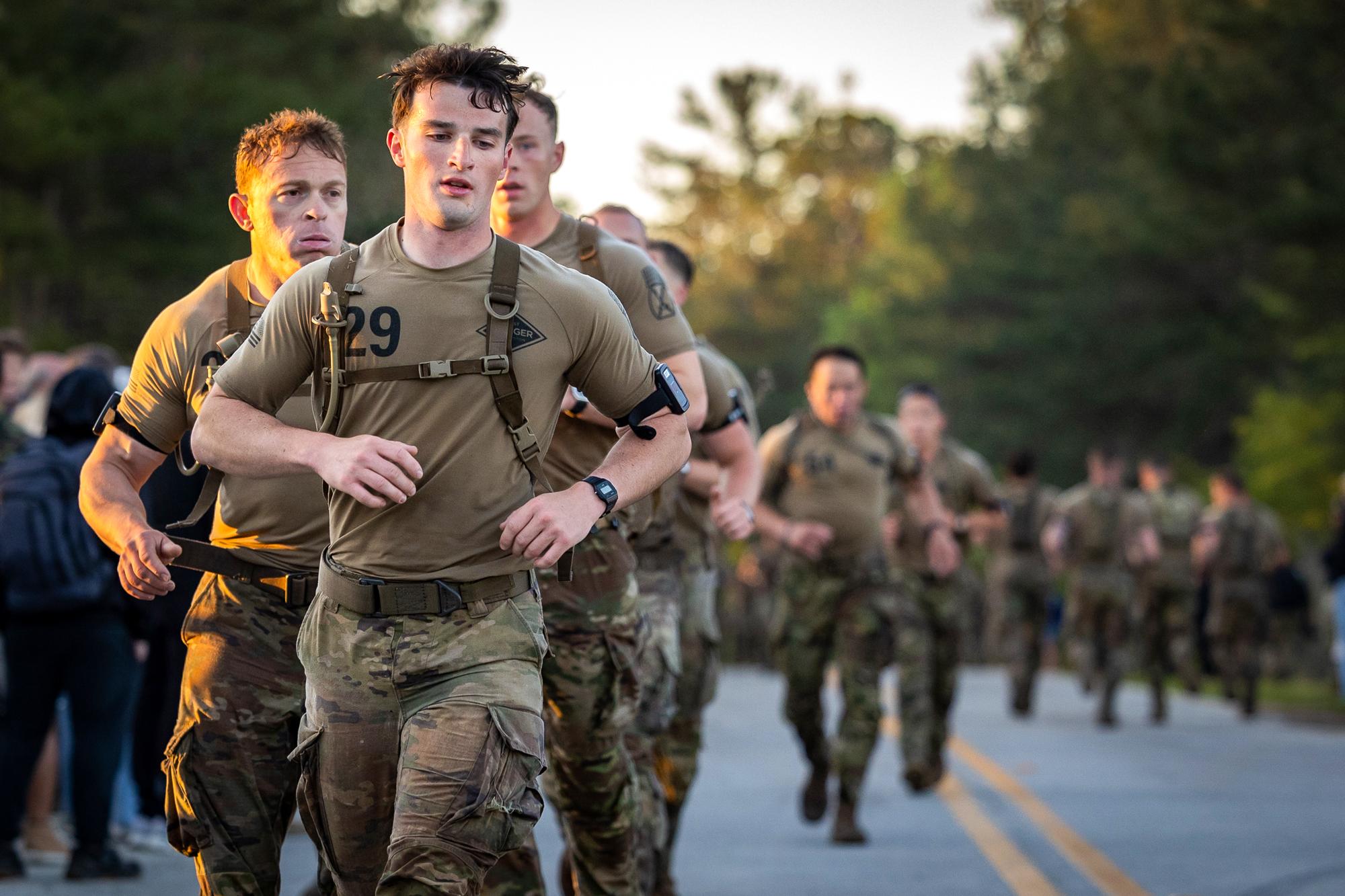
Over the course of the three-day event, competitors traversed at least 60 miles on foot, each carrying about 80 pounds of gear, all while consuming few calories and getting little chance to sleep.
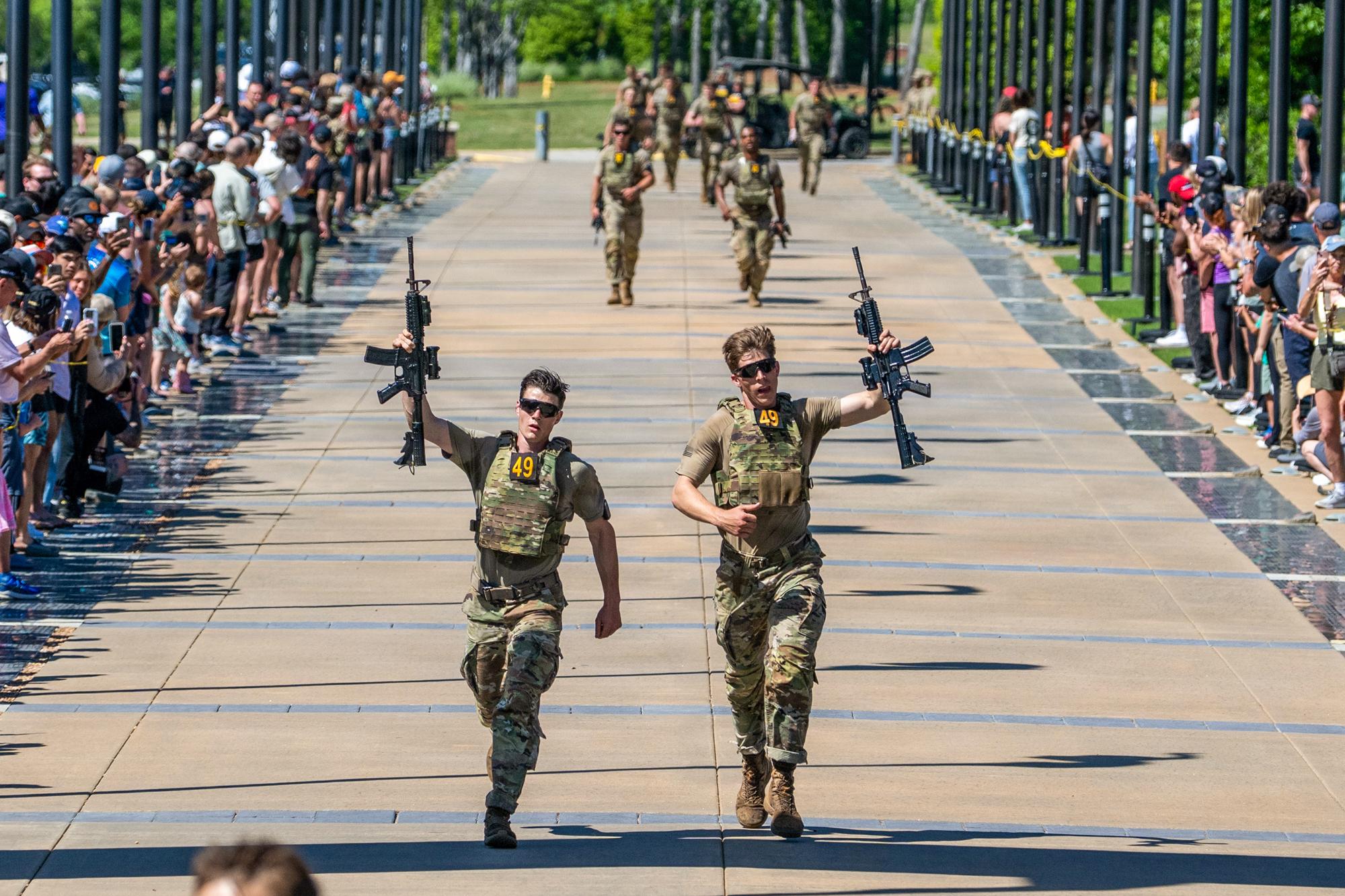
After the teams completed their tasks around Victory Pond, they entered the final leg of the competition: a two-mile foot race to the finish line at the National Infantry Museum.
Each event counted toward a team’s overall score in the competition, determining its final placement.
Sgt. Drew Schorsch and Spc. Caleb Godbold, a team representing the 75th Ranger Regiment, won the top honors at this year’s Best Ranger Competition. Schorsch and Godbold were the most junior enlisted team to win Best Ranger in almost 40 years.
Standing in front of a trophy to past Best Ranger Competition winners on April 13, Schorsch said he is honored to see his name added to a list of “some serious Ranger legends.”
“It’s a great honor to get that title, but it’s definitely still not time to rest on our laurels,” he said. “Keep going. Keep on moving on and getting better every day.”