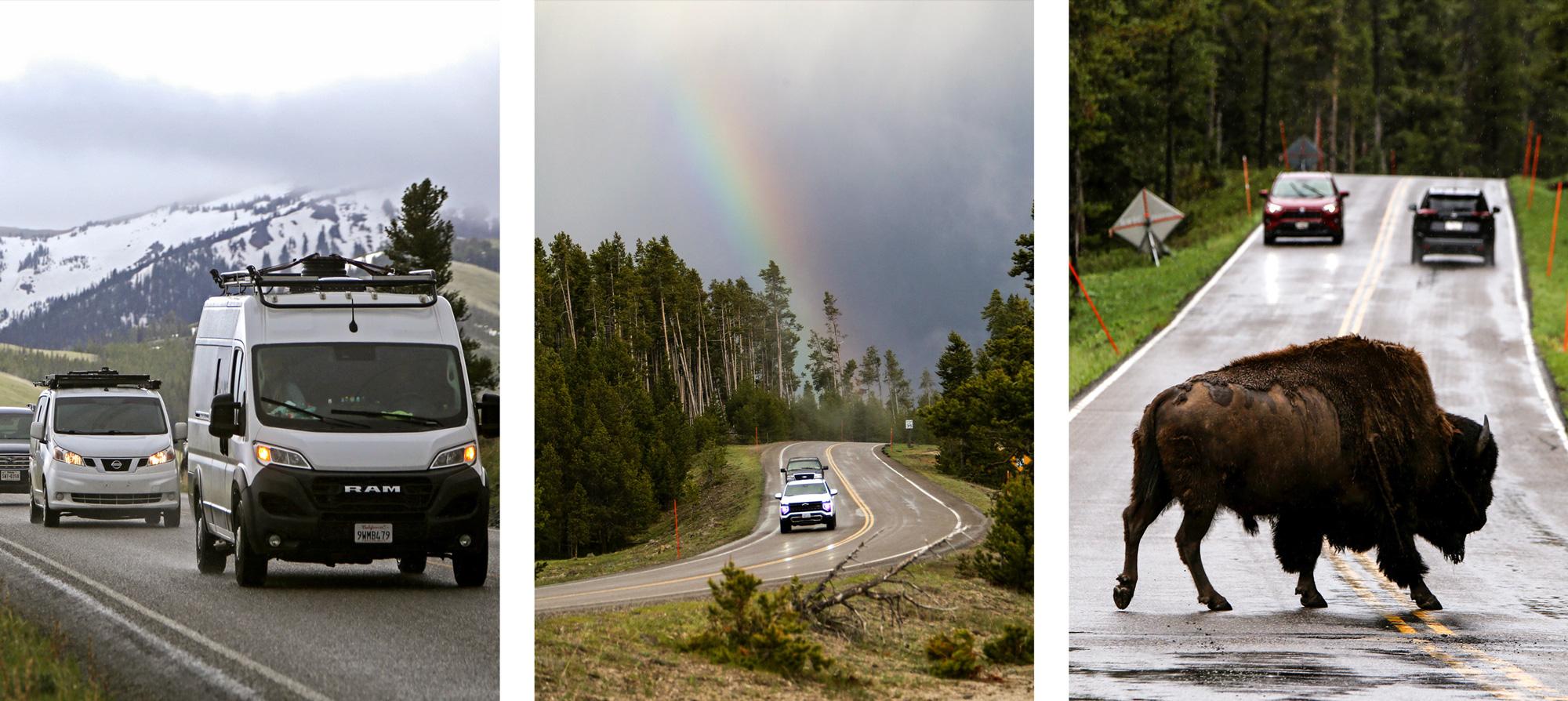
YELLOWSTONE, Wyo.—The steady swish-swipe, swish-swipe of the car’s wipers could be heard over the rain tapping incessantly on the windshield as the car inched toward the Yellowstone National Park entrance.
Reaching the park’s threshold was a short-lived victory.
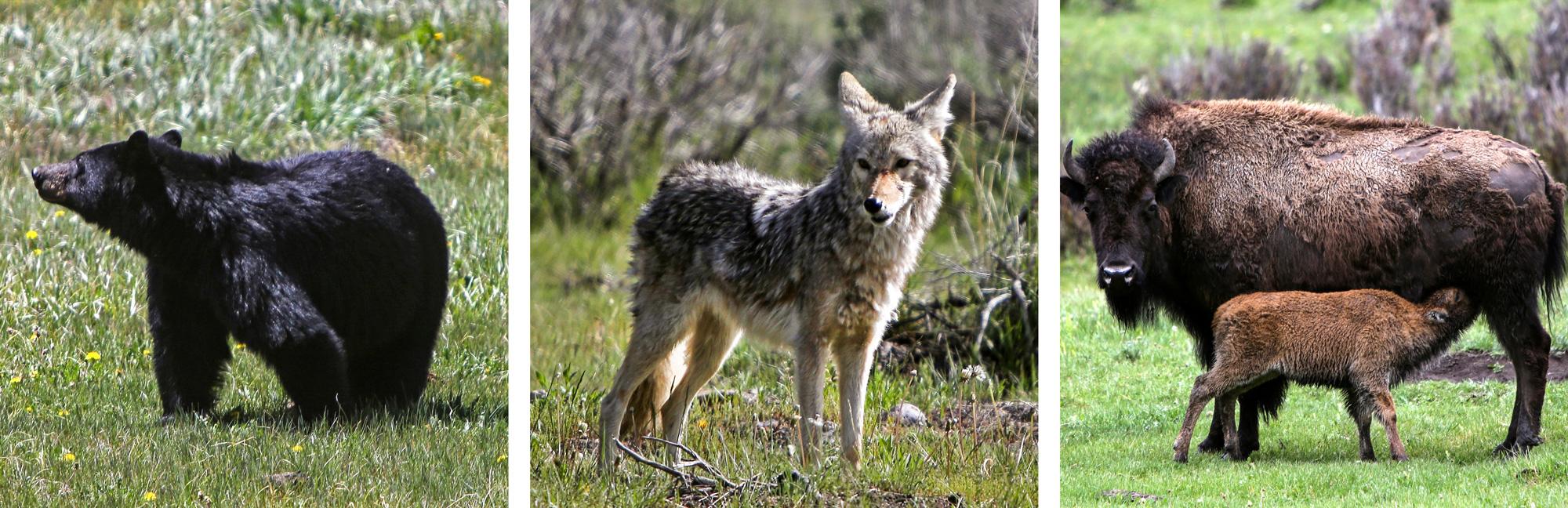
A few miles inside the park, traffic snarled again on the two-lane road as visitors rubbernecked to spot bison along the roadside. Elk and bear sightings caused similar roadblocks throughout the park.
The west entrance parallels the Madison River, splendid no matter the weather. Giant boulders are scattered artfully along its banks, making it easy to imagine legendary giants of old arranging them just so.
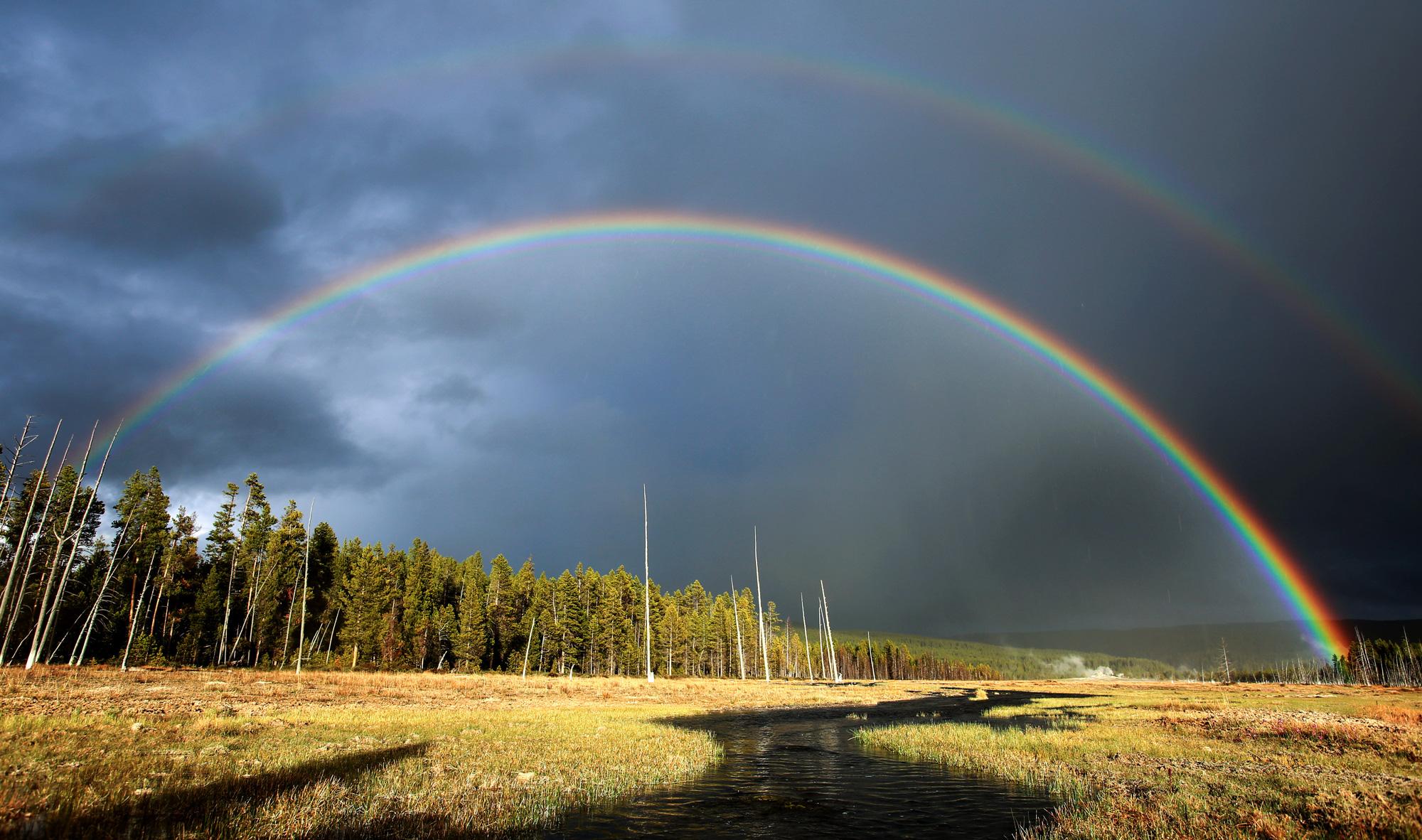
It’s cold here on the cusp of summer, the temperature in the 40s, the sky pregnant with rain. The mist shrouds lush green grass and a rushing indigo river, sublime in its dreamlike beauty.
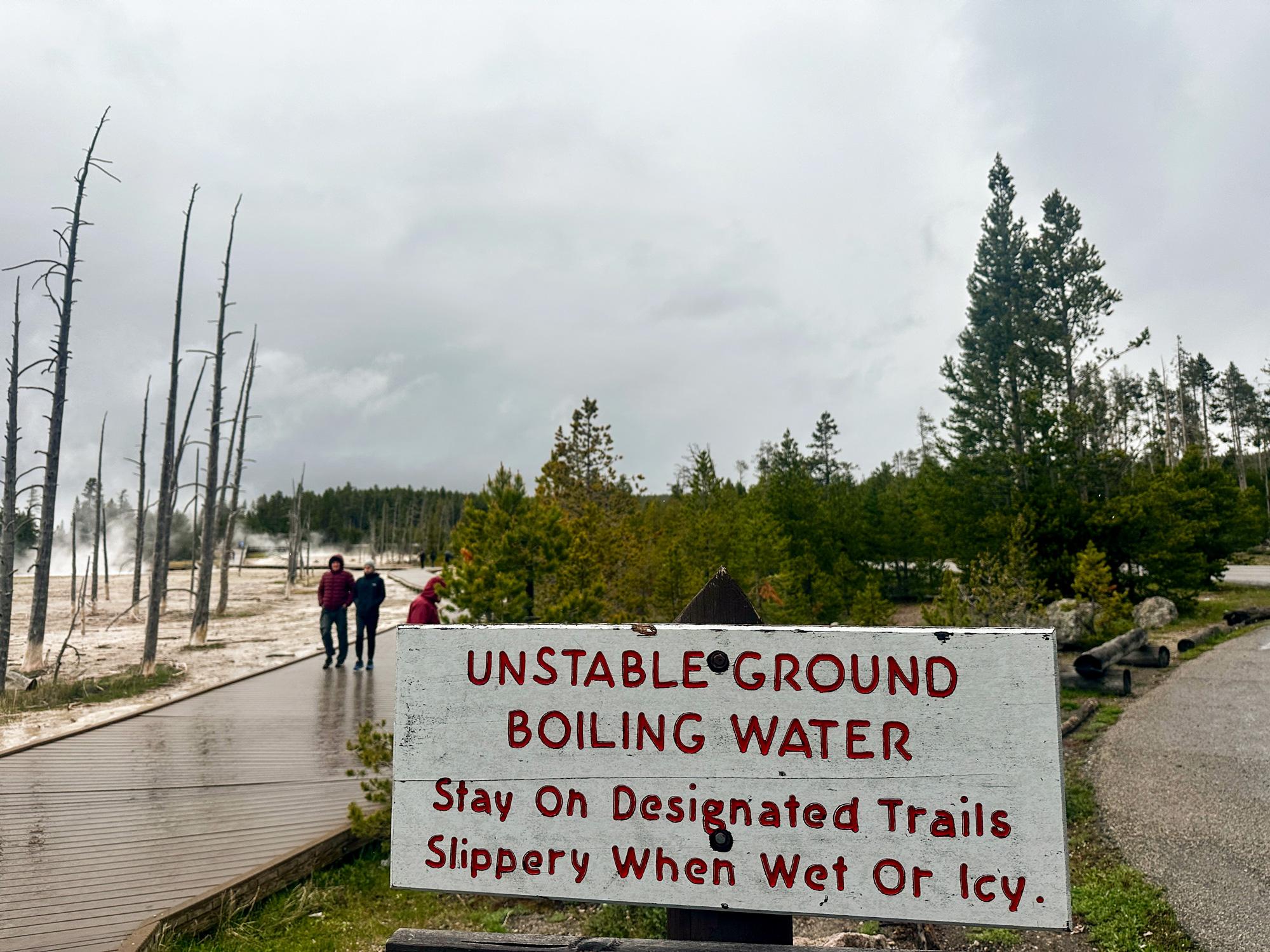
However, this wild land can be as dangerous as it is lovely. Accounts of bear and bison attacks, and of visitors dying or suffering severe burns from geysers, mudpots, or hot springs, underscore the park’s dangers.
Yellowstone, a timeless cathedral to nature, whispers to visitors: This is the way it was. This is the way it should stay.
As America turns 250, Yellowstone serves as a reminder of the nation’s pioneering spirit.
Daniel Williams, a park visitor from Arizona, explained it this way to The Epoch Times. “The national park system really goes along with the freedom we have in America to travel, to adventure, to freely cross this country and see all that it has to offer,” he said.
Some 150 years ago, Yellowstone’s grandeur captured the nation’s imagination.
“Go West, young man” was a popular phrase during the second half of the 1800s. Americans believed in manifest destiny, that their nation should stretch from sea to shining sea.
In 1872, Yellowstone became America’s and the world’s first national park after President Ulysses S. Grant signed the Yellowstone National Park Protection Act.
But it was President Teddy Roosevelt who popularized the park in 1903. Known as a big-game hunter, he left reporters and most of his entourage behind to camp in the park for two weeks. A small contingent of U.S. Cavalry troopers accompanied him, along with guides, a naturalist, and the park superintendent.
Roosevelt marveled at the abundance of wildlife and, at one point, insisted on hiking alone to get a close-up look at a herd of elk that he had spotted the previous day. He managed to get within 50 yards of them, then returned to camp, completing an 18-mile solo trek in the wilderness.
The national park system has held a special place in the American psyche. These wide-open spaces represent the rugged individualism of America’s forefathers.
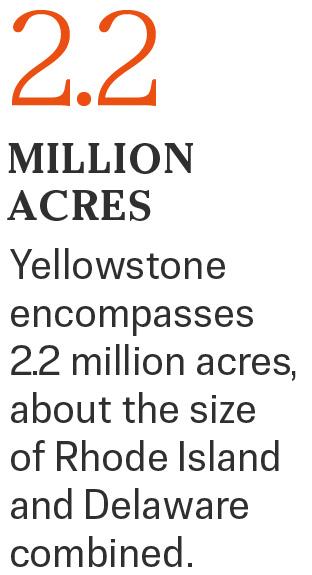
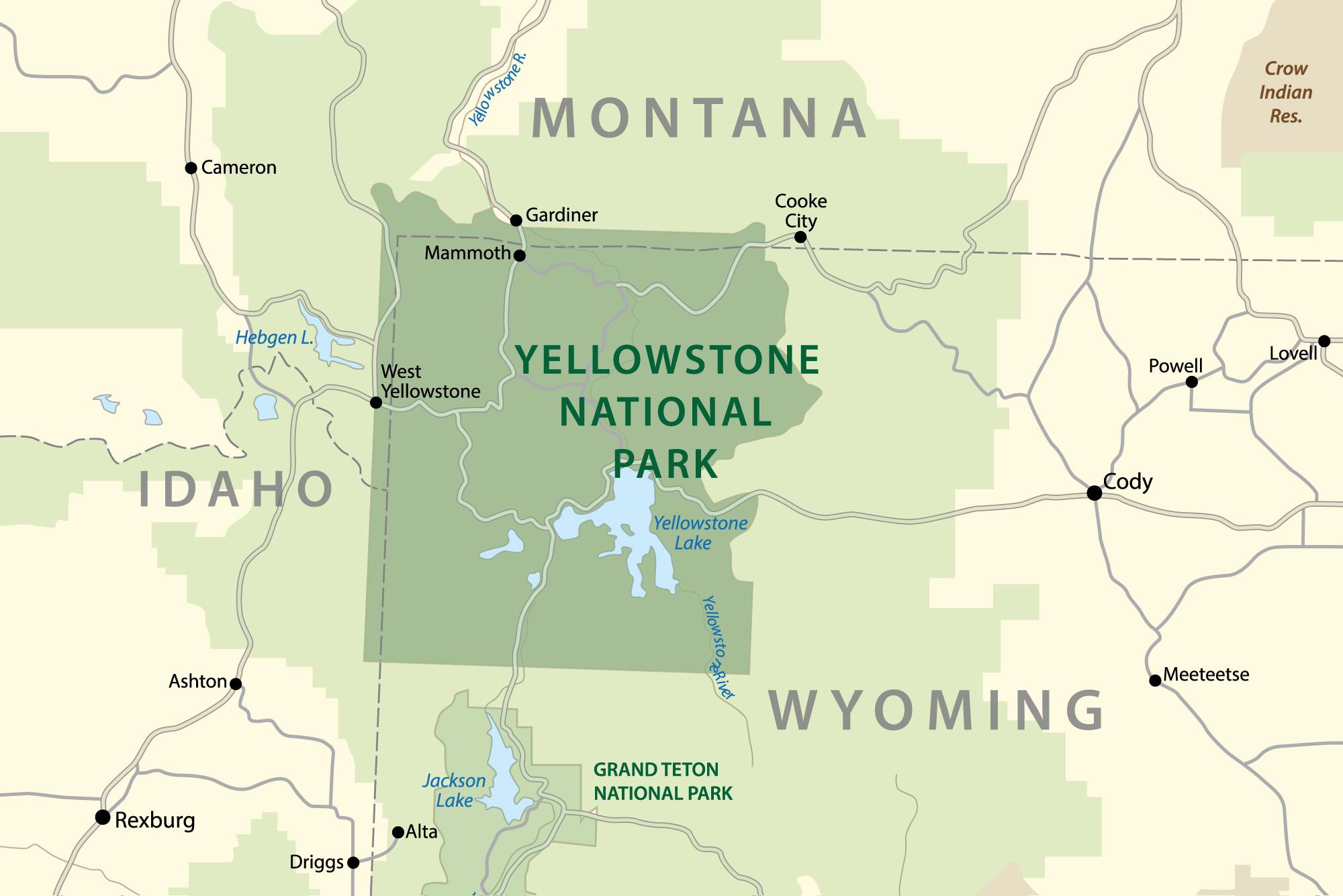
Today, the park encompasses 2.2 million acres, making it about the size of Rhode Island and Delaware combined. It occupies a sizable chunk of northwest Wyoming and extends into Montana and Idaho.
More than 4 million people from around the world have visited the park annually since 2015, except in 2020 during the COVID-19 pandemic. The busiest months, July and August, can see upward of 1 million visitors.
The national park system, which began with Yellowstone, now totals 63 parks throughout the country. The most recently established national park is West Virginia’s New River Gorge National Park.
‘Fire and Brimstone’
America was just more than 30 years old when Mountain Man John Colter, once a member of the Lewis and Clark Expedition, ventured into the wilderness to trap for furs and eventually reached the Yellowstone region.
Colter’s adventures could have been ripped from the script of the 2015 film “The Revenant.” Once, after being captured by a band of Blackfeet, he was stripped naked and told to run for his life as warriors gave chase. He managed to survive by hiding beneath a driftwood raft in the river.
In the winter of 1807–1808, he set out alone to establish trade relations with the Crow nation. His path led him to Yellowstone Lake, home to hot springs and geysers. Scientists today classify Yellowstone as a supervolcano that could spew enough particles into the atmosphere to trigger a volcanic winter if it erupts.
To early visitors, it appeared surreal, a land of “fire and brimstone,” according to Colter, the first white man to explore the area. Contemporaries scoffed at his description, dismissing it as a tall tale.
Others followed Colter. In 1869, the Cook–Folsom–Peterson Expedition became the first organized, privately funded group to map the area.
But many remained skeptical.
Charles Cook sent an account of their journey to Lippincott’s Magazine in Philadelphia, which responded, “Thank you, but we do not print fiction.”
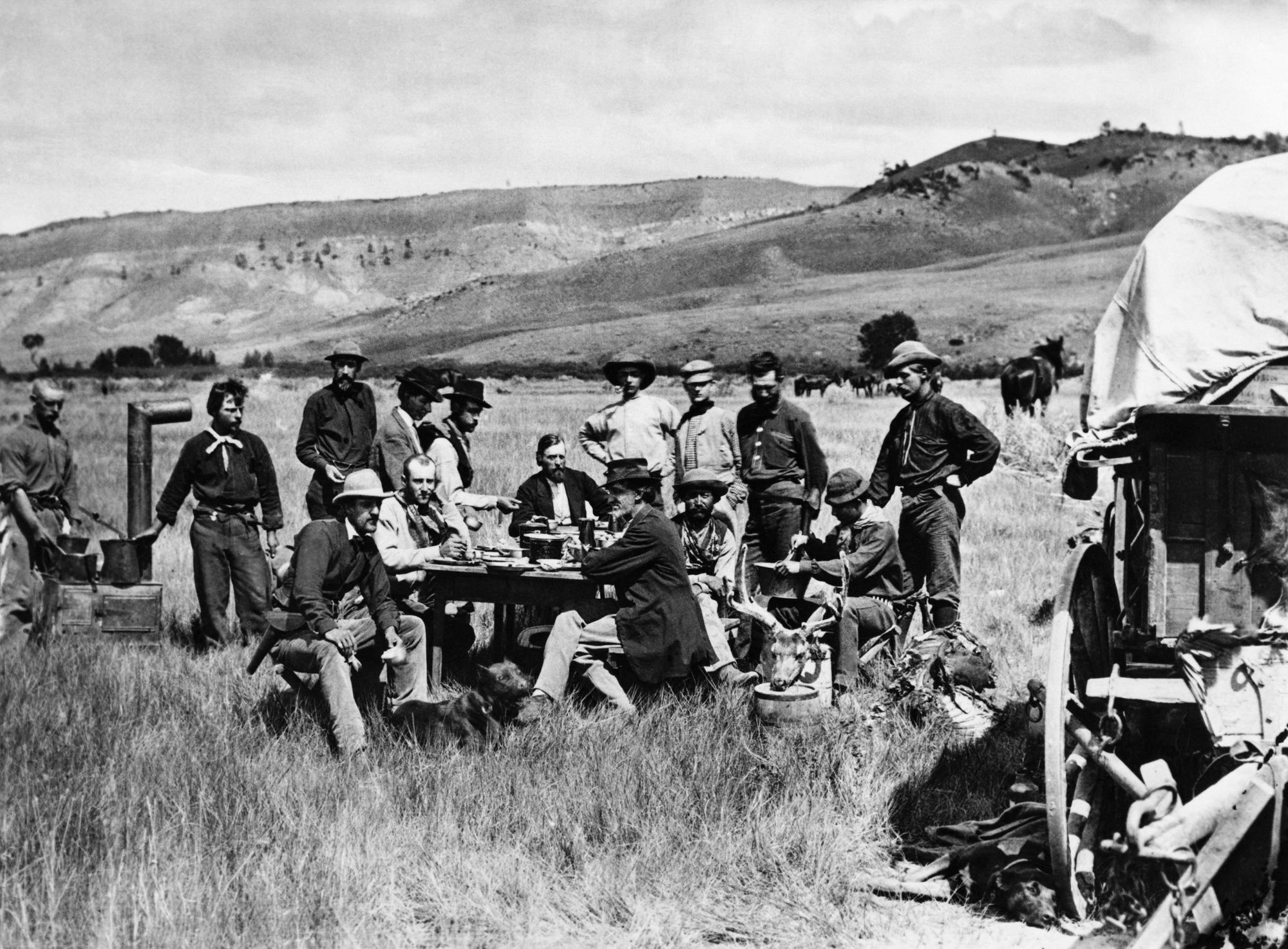
Cook’s expedition led to the Washburn-Langford-Doane Expedition in 1870 and the Hayden Geological Survey a year later. The 1871 Hayden Expedition was the first government-funded exploration and scientific survey of Yellowstone.
The expedition’s route took the team of 32 men to the Yellowstone River, which they followed up to Tower Falls. They also traveled to the Lamar Valley before turning west toward the Grand Canyon of the Yellowstone, carved by the river that bears its name.
Geologist Ferdinand Hayden brought photographers and painters with him to document the region, convincing the federal government of its legitimacy and uniqueness. This led to Yellowstone becoming the first national park.
Winter Laughter
The battle raged below Mount Washburn. The children screamed in delight as they scrambled to pelt laughing adults with snowballs above the parking lot near Dunraven Pass on the last day of May.



Winter laughs at summer in Yellowstone, knowing the sun’s warmth will be fleeing. The temperature hovered around 40 degrees at the base of the trail. Mount Washburn’s peak stands another 2,000 feet higher.
As Kevin Silvestrini-Cordero and Michelle O’Keeffe hiked the trail up the mountain, snow began to fall.
Remnants of winter snow still clung to the path, making it treacherous at times, but as the sky opened up in late spring, big flakes kissed the pines, making it beautiful nonetheless.
It was the pair’s first trip to the park in their quest to see more of America.
“I feel like Yellowstone really puts it all together,” Silvestrini-Cordero told The Epoch Times, adding that it was one of the most beautiful places in the world.
Silvestrini-Cordero said their visit to the nation’s first national park made them even prouder to be American.
While driving about a mile from the trailhead, the New Jersey couple believed they saw a black wolf. When they turned around to get a better look, it had disappeared, melting into the shadows.
At this elevation, the smell of fresh pine fills the chilly air, and the forest is as deep and dark as a fairytale.
The hush of the woods conjures campfire tales of beasts with blazing yellow eyes and distant howls in the night.
Nearby, retiree Michael Melton of Georgia stopped at the Washburn Hot Springs overlook. A cutting wind swept over the sightseers, prompting Melton to comment that it was a nice place to visit, as he pined for the 80-degree weather back home.
“Beautiful. It’s just a beautiful place to visit,” he told The Epoch Times.
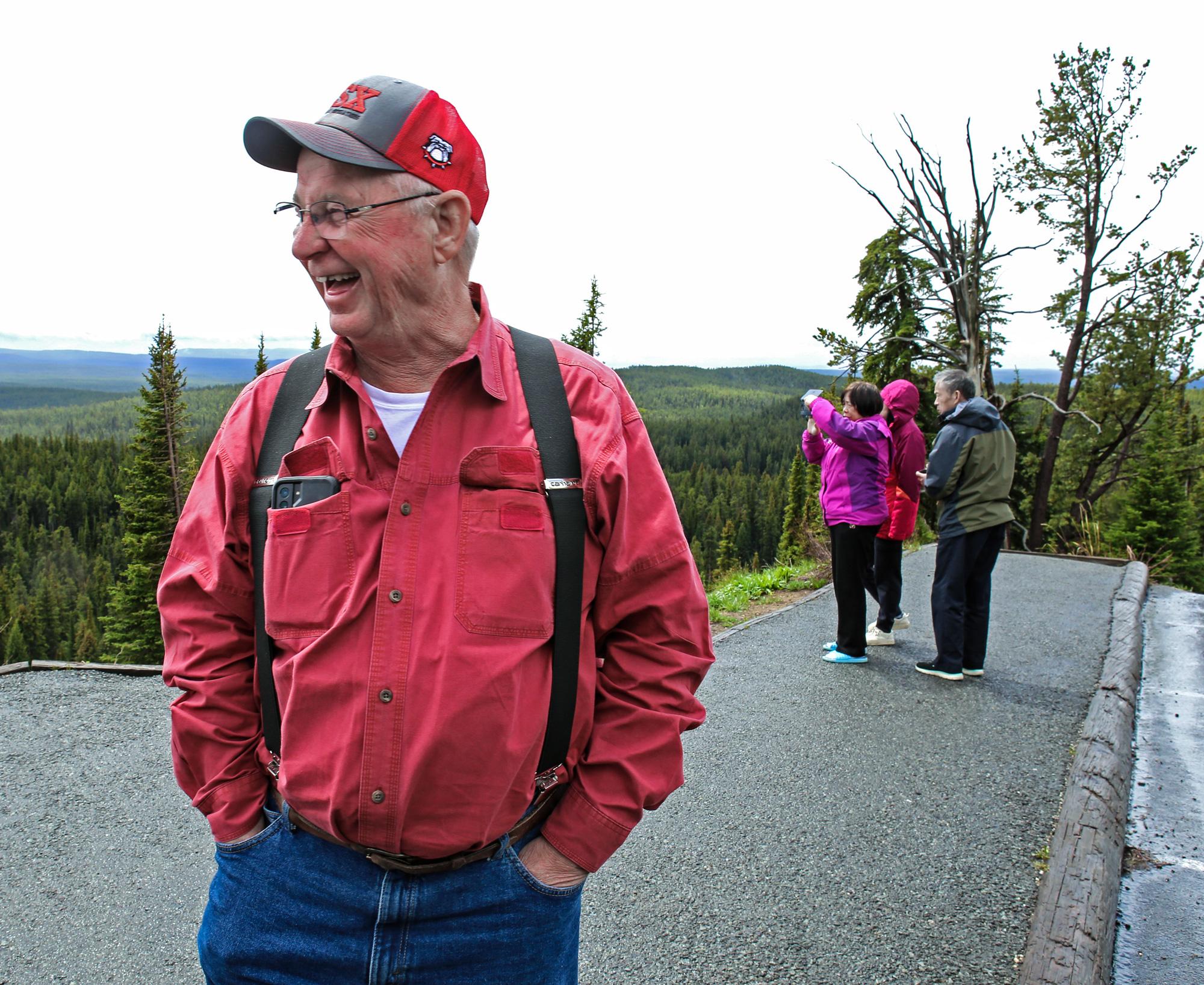
Yellowstone was on his bucket list as he traveled across America. He was doing a giant circle around the country, cutting through Branson, Missouri, the northwest, the Grand Canyon, and Monument Valley—all the places he wanted to see as a kid.
Likewise, he said he looked forward to seeing places such as Tombstone, “where John Wayne shot all them old black and white movies.”
He was struck by the hot springs and mud pots he saw in Yellowstone.
“I always wondered what the first guy was thinking about the mud holes back here,” he said.
Melton figured the first person to lay eyes on those hot springs, smelling of sulfur, might have worried that the devil was after him.
“He might of thought he had died and went to hell or something,” Melton joked.
Melton was glad American forefathers had seen fit to preserve parts of the country for everyone to enjoy, noting the Okefenokee National Wildlife Refuge wasn’t too far from his Georgia home.
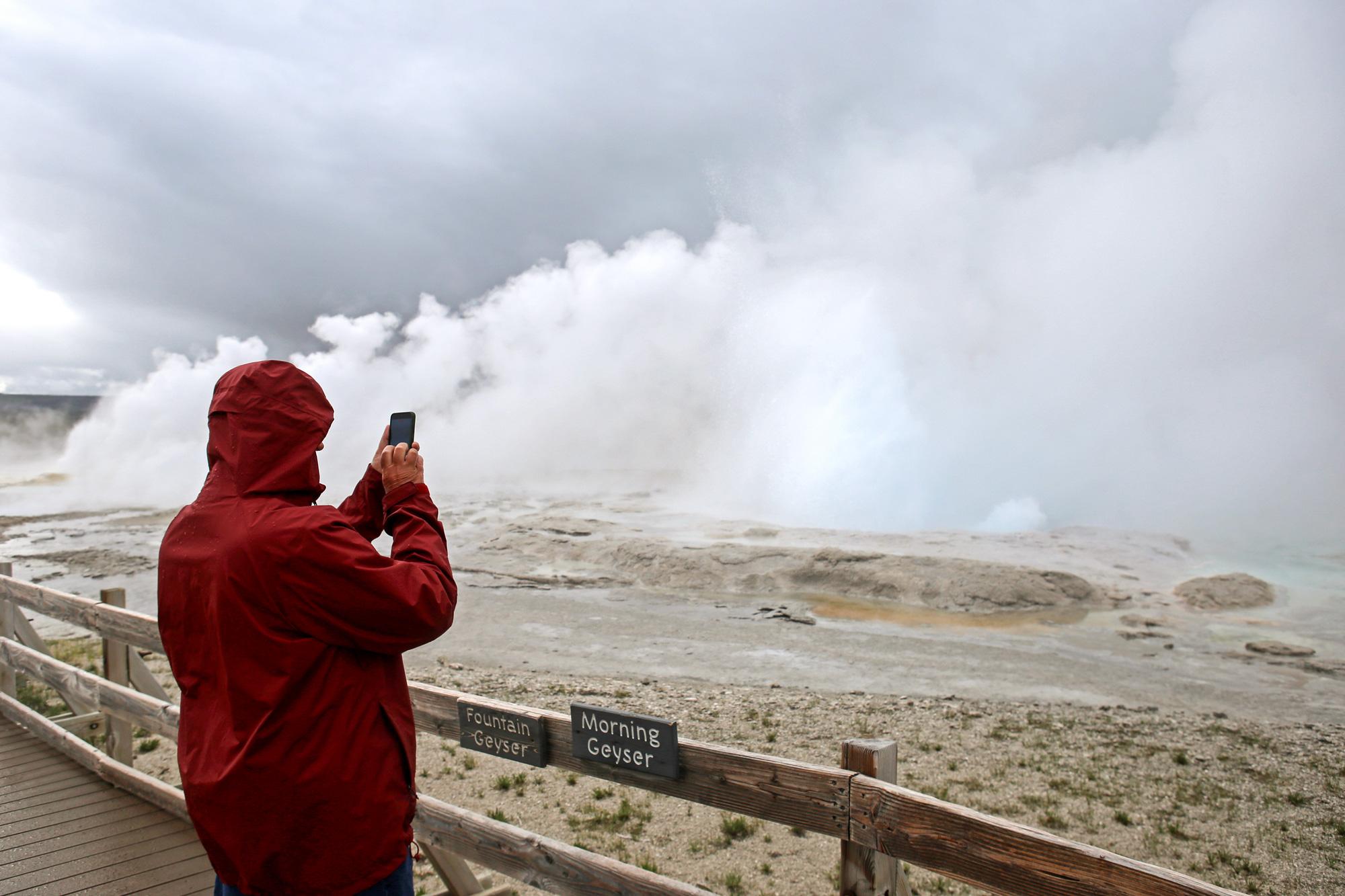
American Serengeti
The road to Lamar Valley snaked into the distance, a dark ribbon against rolling verdant hills rivaling those of J.R.R. Tolkien’s Middle-earth.
The descent into the sprawling valley, stretching into the distance with hundreds of bison grazing on spring grass, was breathtaking.
Sightseers jumped from their vehicles to take in the magnificent spectacle. Calves nursed from their mothers, seemingly oblivious to human gawkers. It wasn’t hard to imagine what it was like more than 150 years ago, when the West was still wild and Native American tribes still dominated the territories.
Lamar Valley in the northeast corner, and the more central Hayden Valley, are considered the best places to see bears, wolves, and bison, also called American buffalo.
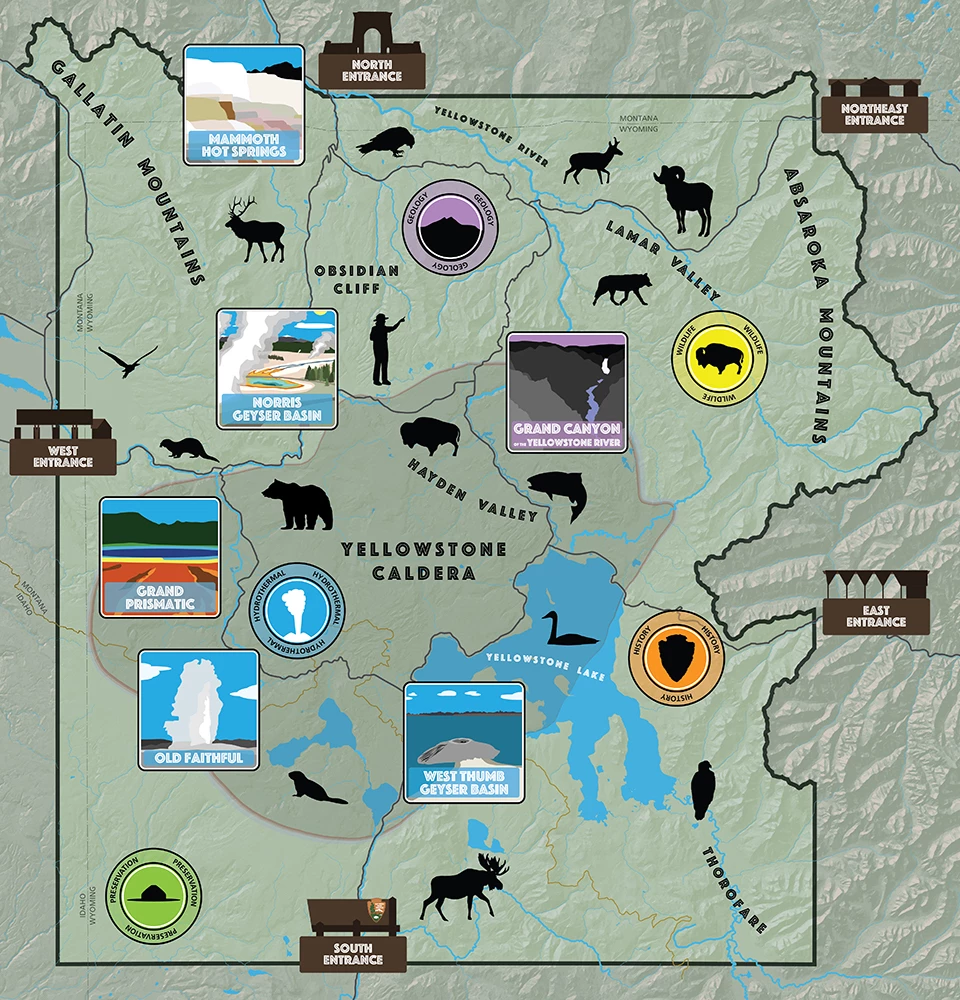
It was in Lamar Valley that Silvestrini-Cordero and O’Keeffe recounted the thrill of seeing one of Yellowstone’s most coveted sights—bears in their natural habitat. An animal carcass attracted several predators, including a grizzly and, later, a black bear.
But there was a time when some large animals in the park were driven almost to the point of extinction.
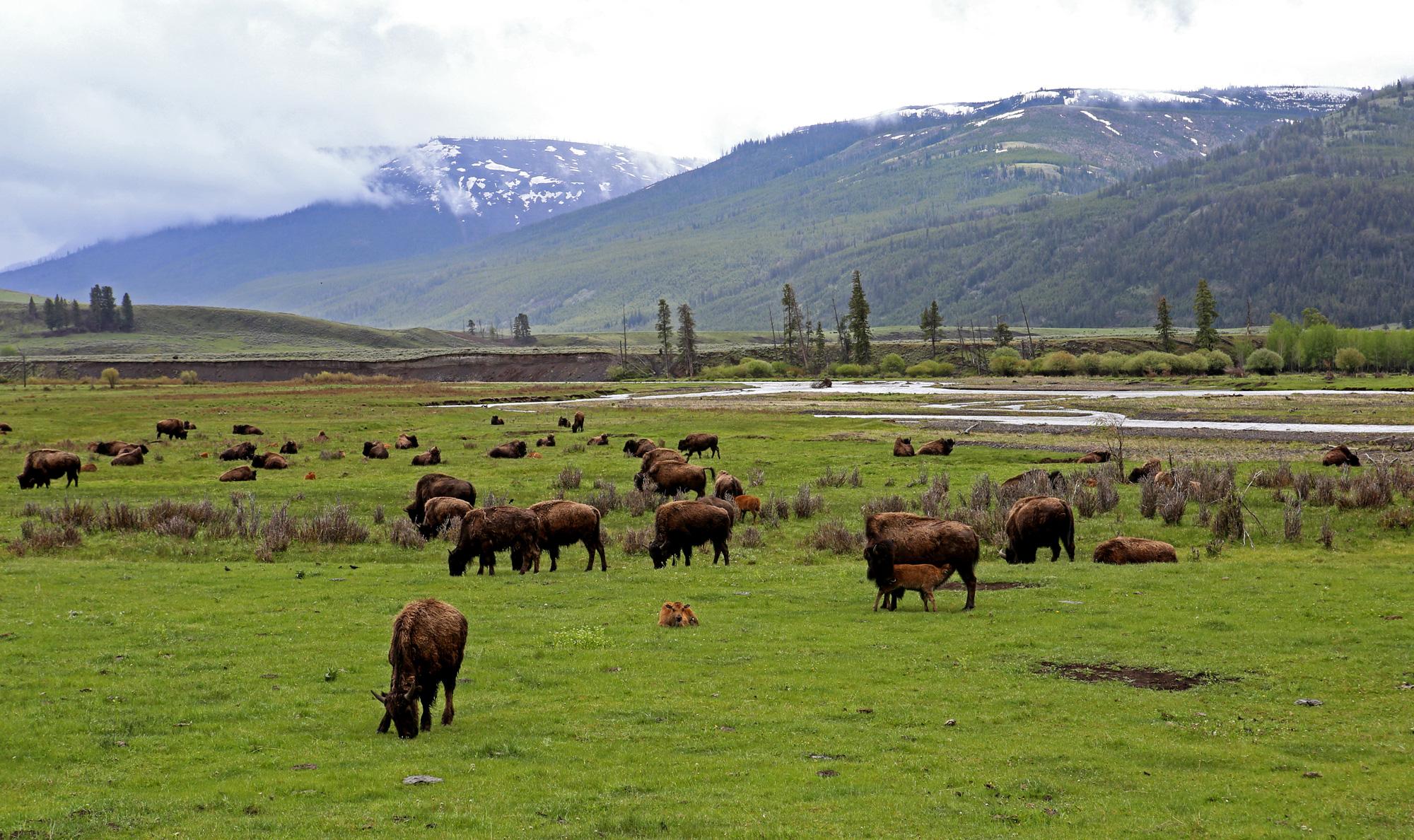
Once, 30 million bison roamed North America, but most were wiped out by the turn of the 20th century. The buffalo were almost eradicated from within the park, with only two dozen surviving by the late 1880s.
Today, Yellowstone’s bison population, which stands at about 5,400, is considered to have descended from the West’s last wild herd.
Perhaps more controversial was the reintroduction of gray wolves to Yellowstone after they had been all but eradicated through hunting.
Gray wolves, which can be black, gray, and tan, were brought to Yellowstone in 1995. By 2017, they were delisted from the Endangered Species Act in Montana, Idaho, and Wyoming. There are now about 84 wolves in the park.
But without fences to keep them inside the park, wolves that wander outside often prey on ranchers’ livestock and pets.
While wolves are protected in the park, they can be legally shot and trapped in Montana, Wyoming, and Idaho.
Roosevelt Arch
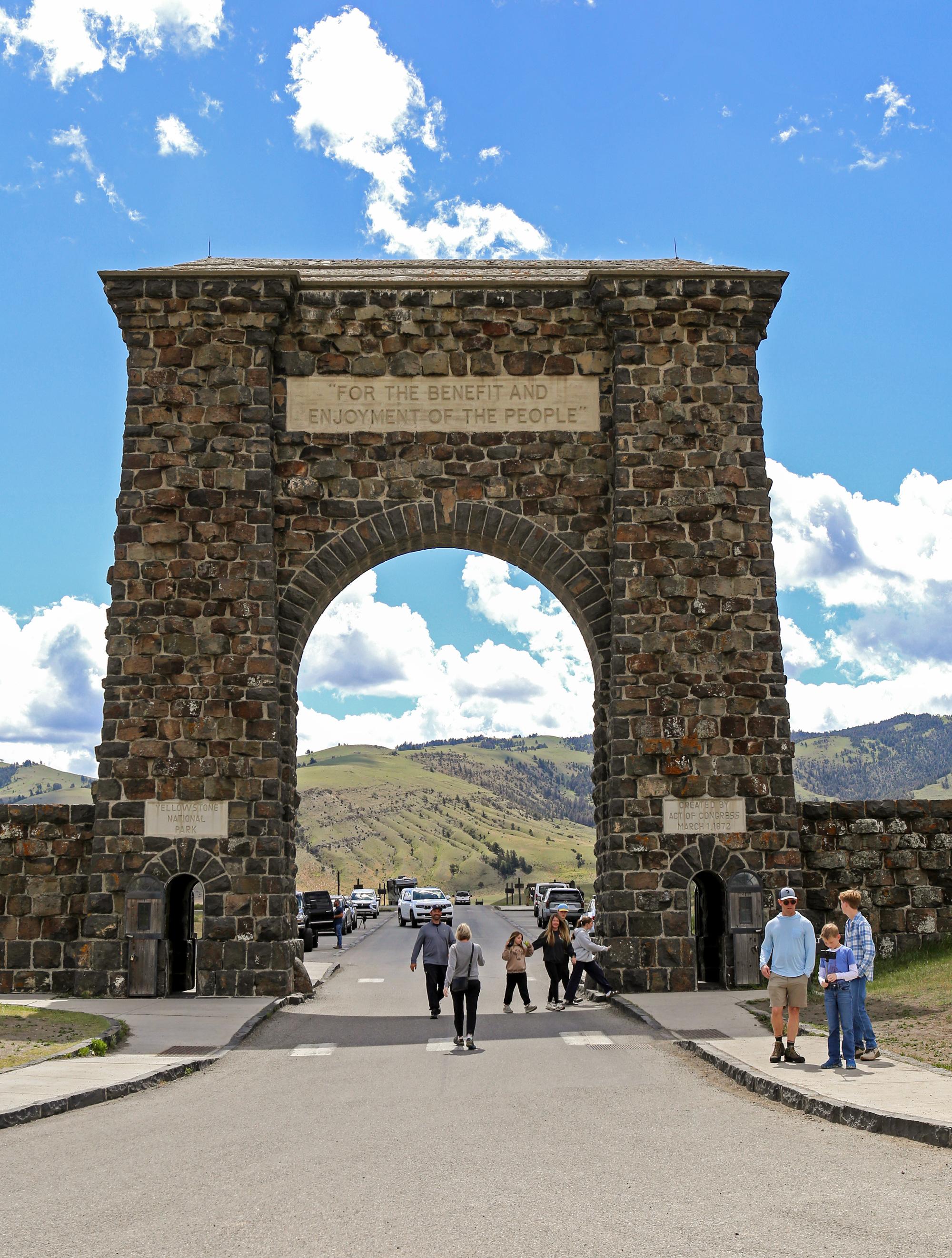
At the end of Roosevelt’s camping trip at the turn of the 20th century, he spoke at the Masonic cornerstone-laying ceremony for what would become the stone archway at the park’s northern entrance, a favorite tourist stop today.
The president’s awe at the park’s unique beauty was evident during his speech. “The geysers, the extraordinary hot springs, the lakes, the mountains, the canyons, and cataracts [waterfalls] unite to make this region something not wholly to be paralleled elsewhere on the globe,” Roosevelt said. “It must be kept for the benefit and enjoyment of all of us.”
Richard Feltes, a 77-year-old retiree from Nashville was visiting the park with family members. For him, it was special to visit the park as America reached a significant historical milestone.
“What a thrill to be here for the 250th,” he told The Epoch Times.
Feltes’s older brothers and father served in World War II. He contracted polio just before a vaccine was administered in 1955, but went on to represent his country as a member of the U.S. Wheelchair Olympic team.
He traveled all over the world competing in Europe, the Middle East, and South America, but said there’s no place like America.
“We appreciated everything our country had to offer,” he said.
He praised the park’s wheelchair accessibility, saying he has been able to visit its attractions and historic sites.
“Roosevelt was here to really underscore executive awareness of the park and all it has to offer for Americans,” he said, speaking in front of the arch.
Feltes and his wife, Anita Feltes, have been watching Yellowstone specials in the evenings with their grandchildren, quizzing them on what they have learned during their trip.
His grandson, 9-year-old Jonathan, was happy to report to The Epoch Times that Old Faithful “worked yesterday” and the canyons, waterfalls, and colorful hot springs were “cool.”
They were able to purchase America 250 medallions outside the park, destined for their refrigerator door.
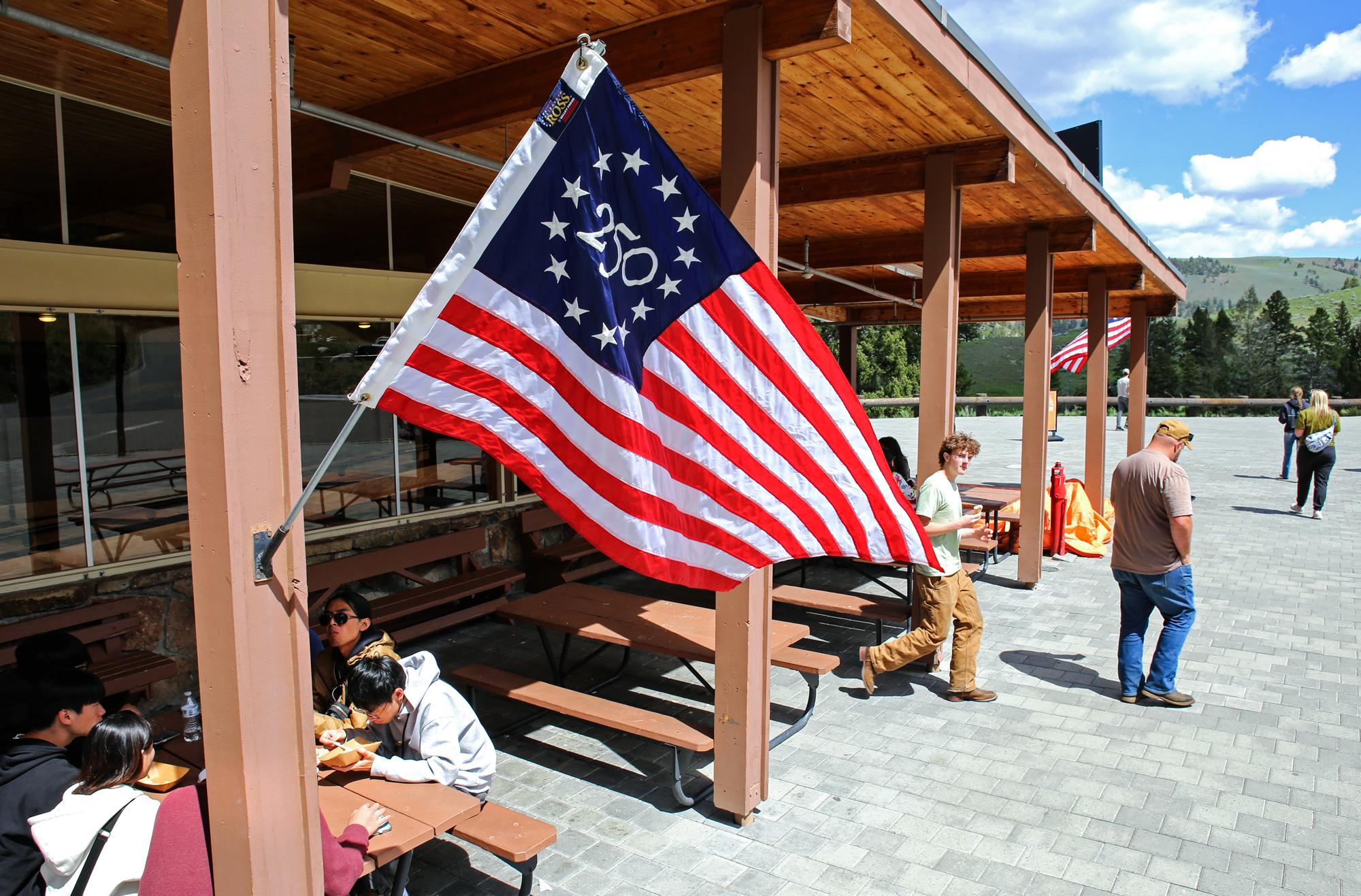
The park flew flags in recognition of America 250 and offered online merchandise honoring the nation’s birthday, but a casual search in the park stores for commemorative souvenirs was unsuccessful. A park ranger told The Epoch Times that most of the park system’s commemorative celebrations were scheduled on the East Coast.
A Faithful Gathering
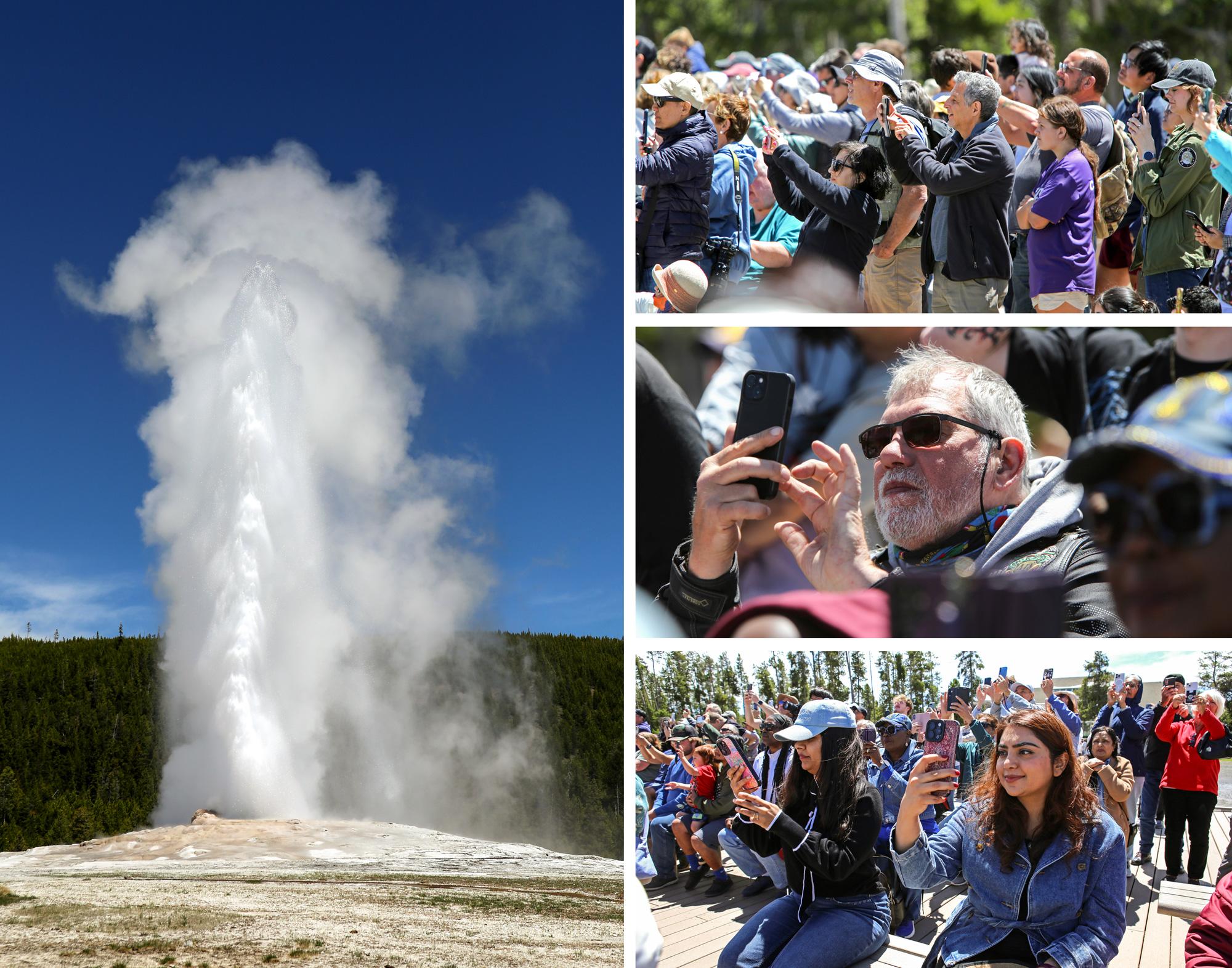
Hundreds of people waited patiently for Old Faithful to erupt in early June, with many chatting in a multitude of foreign languages as they anticipated showtime, which happens about every 90 minutes.
According to studies, roughly 600,000 to 700,000 visitors come each year, mainly from Germany, China, the Netherlands, and Canada. That’s about 15 percent of total visitation to the world’s first national park.
When the famous geyser began to burst skyward, applause broke out as a large crowd oohed and aahed.
Kanzul Fatima, a Pakistani documentary filmmaker and extended reality expert, lived in Los Angeles before moving to Germany. She was visiting the park for the first time with her sister and parents, driving 13 hours from Colorado for this moment.
Yellowstone, the Redwoods, and Yosemite all speak of the American West, she noted, adding that her mother said these places remind her of Hollywood movies she saw growing up.
“I would say it’s pretty iconic,” she told The Epoch Times. “I feel like the expanse of this park is unreal.”
When asked what she thought about the nation turning 250, Fatima said America represents the opportunity for anyone to excel.
“I think you can see what’s made America last this long,” she said. “Because it is a melting pot of cultures, but also like a place where you can dream as big as you can dream.
“I guess that’s why so many people still immigrate here. I’m not saying that it doesn’t have its challenges, and it doesn’t have its breaking points, as most democracies do, but it’s lasted longer than a lot have.”
Terminally Pretty
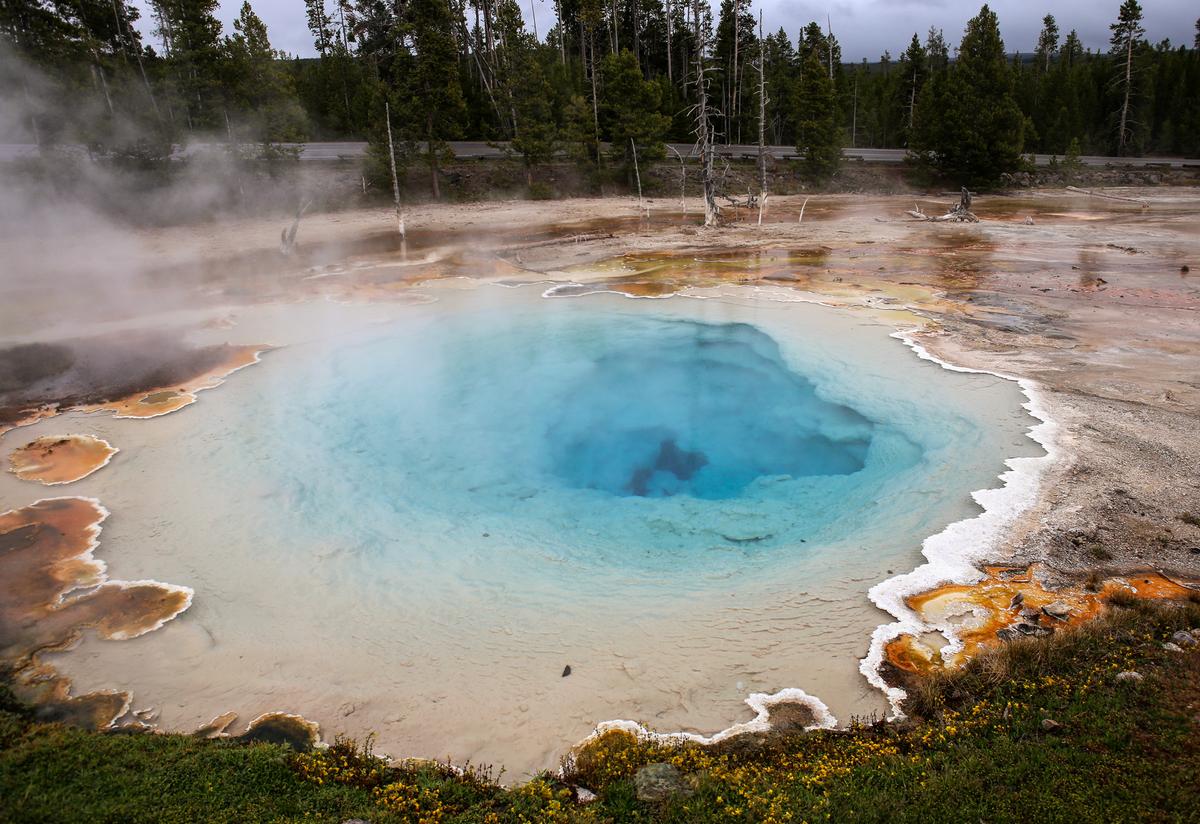
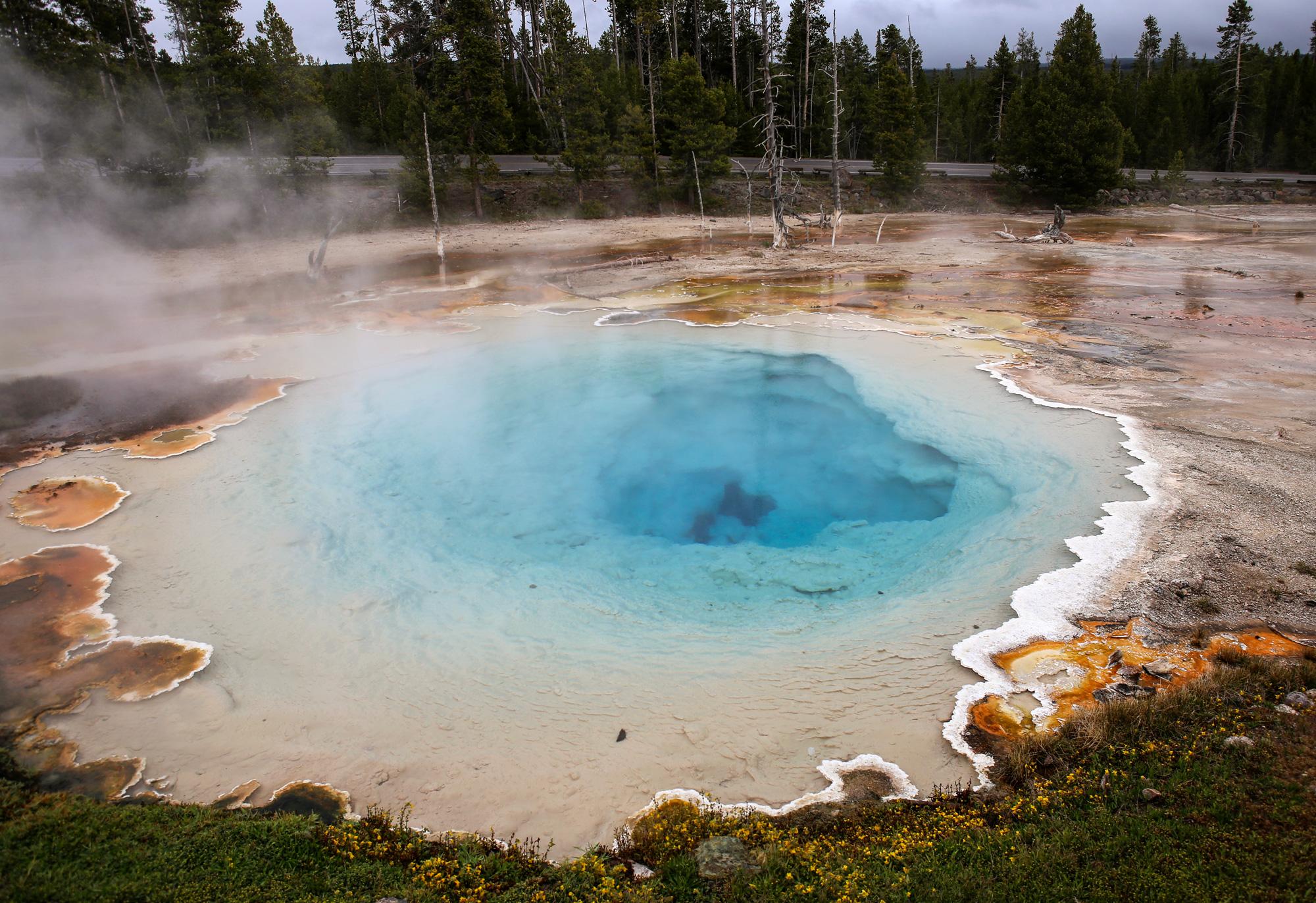
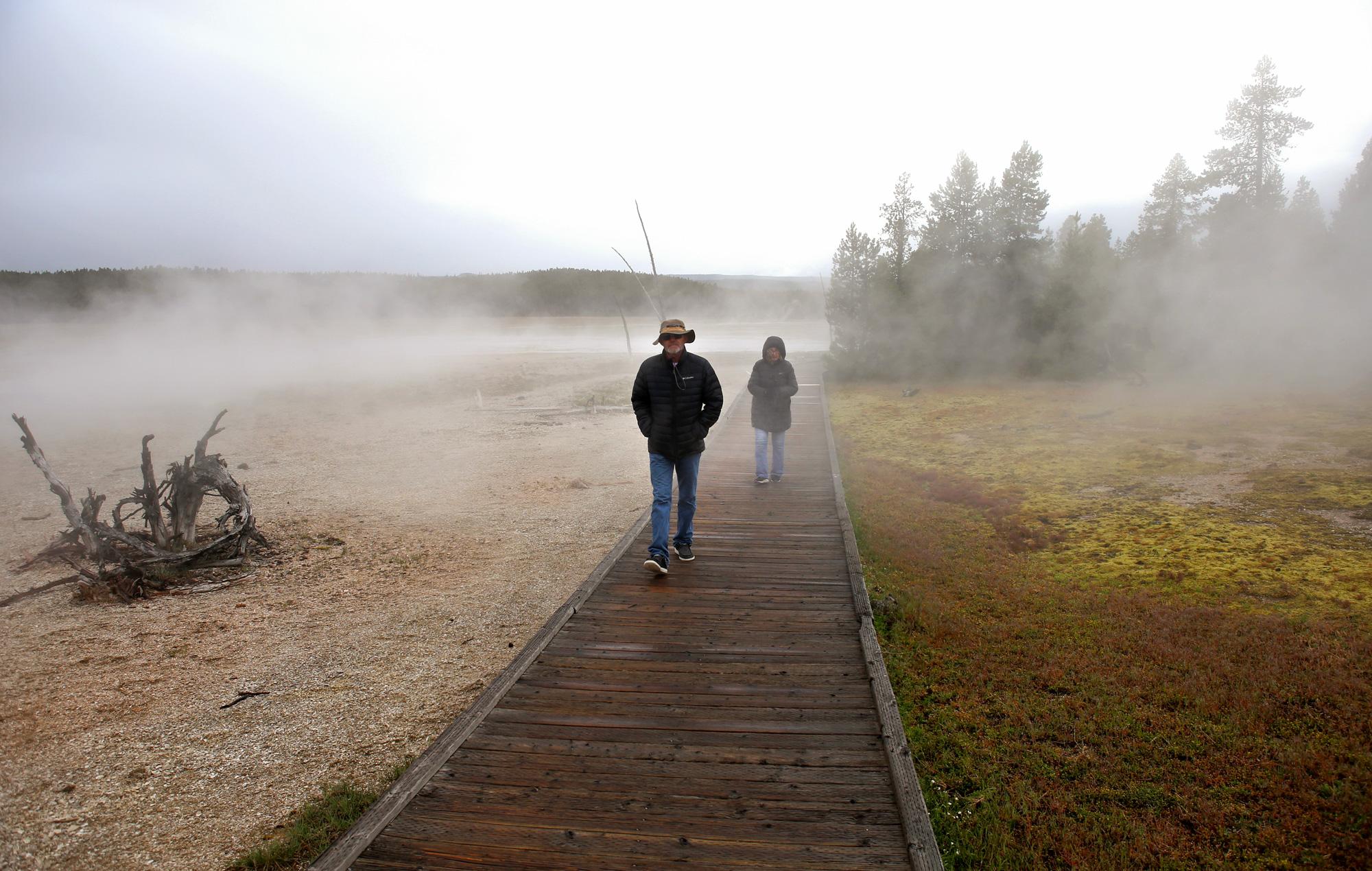
The Firehole River, named for the steam rising off its surface from thermal runoff, meanders past the Midway Geyser Basin, home of the Grand Prismatic Spring. Hot mist wafted across bubbling pools of turquoise rimmed with vivid yellow, orange, and green. Steam hissed, so thick at times that it blotted out the crowd of visitors ogling a landscape that time forgot.
Williams, an Arizonan visiting with a group, said Yellowstone and national parks represent the American spirit, which lives on after 250 years.
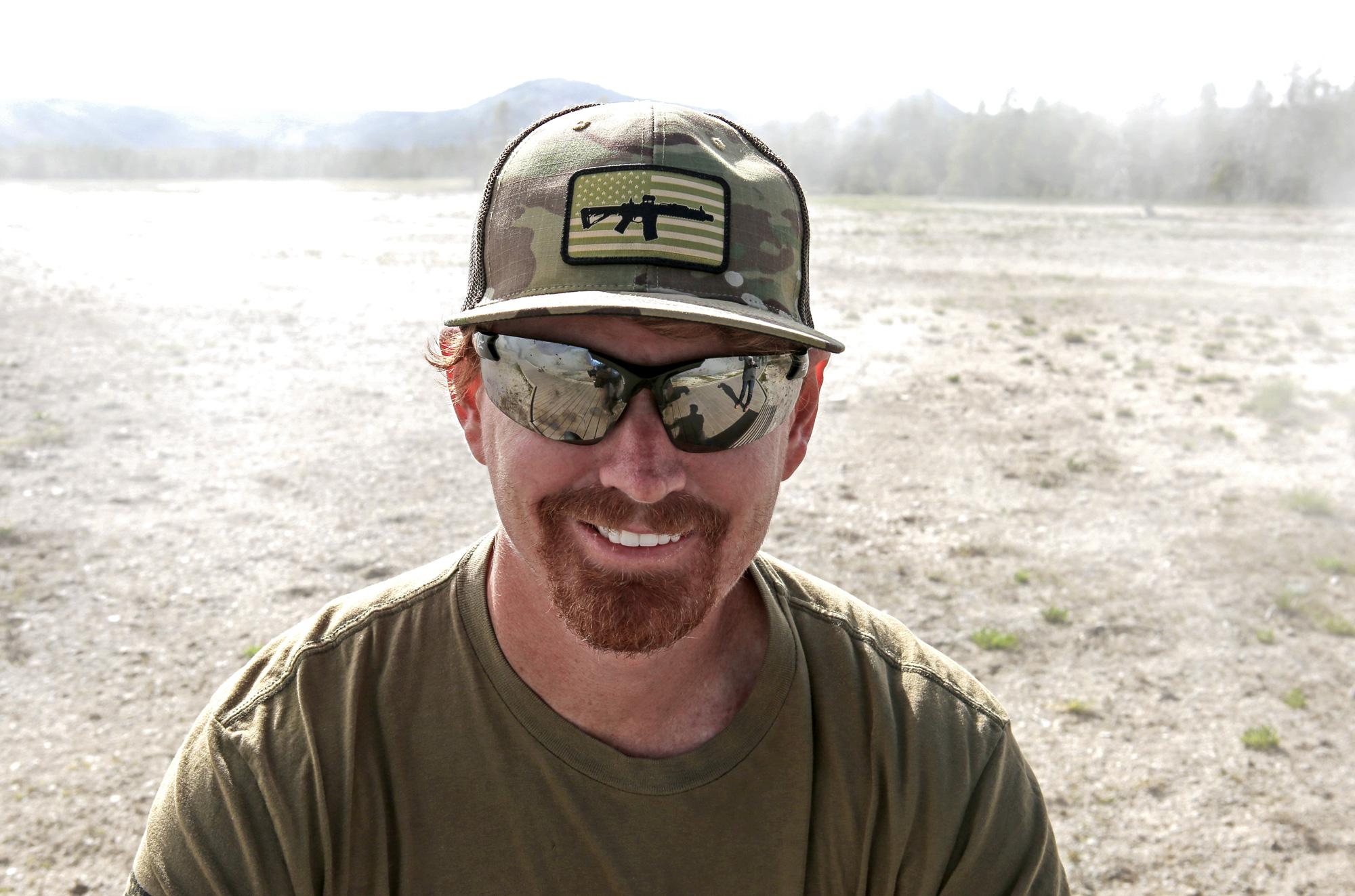
“It symbolizes that idea of freedom that we have in this country,” he said.
Roosevelt was unique, Williams said. “He was considered liberal, you know, and I think both parties, honestly, could learn a lot from him, because he had the ability to look at both sides and realize that both were needed,” he added.
Besides being a renowned hunter, Roosevelt was also a conservationist, establishing five new national parks: Crater Lake, Oregon; Wind Cave, South Dakota; Mesa Verde, Colorado; and Platt, Oklahoma, now part of Chickasaw National Recreation Area. Likewise, Sullys Hill, North Dakota, was established in the park system but later redesignated as a game preserve.
Williams was optimistic that, despite America’s challenges, it would remain “the freest society on the planet.”
“Two hundred and fifty years of a free society, a free government, a nation that was founded on biblical principles ... I think that it had a very strong emphasis on where we are today and why we still have a government that functions the way that it does,” he said.