Spring is a unique opportunity to take the yard and garden from simply attractive to flourishing, just by providing essential nutrients as plants start growing again after the winter season. Even the southernmost gardens can benefit—while growth might not completely stop in USDA plant hardiness zones 9 and above, it does slow down during the shorter days of winter.
In addition to healthy growth, this feeding can help buff up immunity to pests and disease and add resilience in extreme weather, such as high summer heat. The right fertilizer supports strong root development (the foundation of the yard and garden) and leads to more abundant blooms as well as higher yield/better quality fruits and veggies in the garden.
Proper Timing
Wise old gardeners will advise fertilizing when the soil temperature reaches 50 degrees to 55 degrees F consistently for several days. This is typically mid-April through May for much of the country, but an inexpensive soil thermometer (starting at about $10) will remove the guesswork.Organic or Synthetic
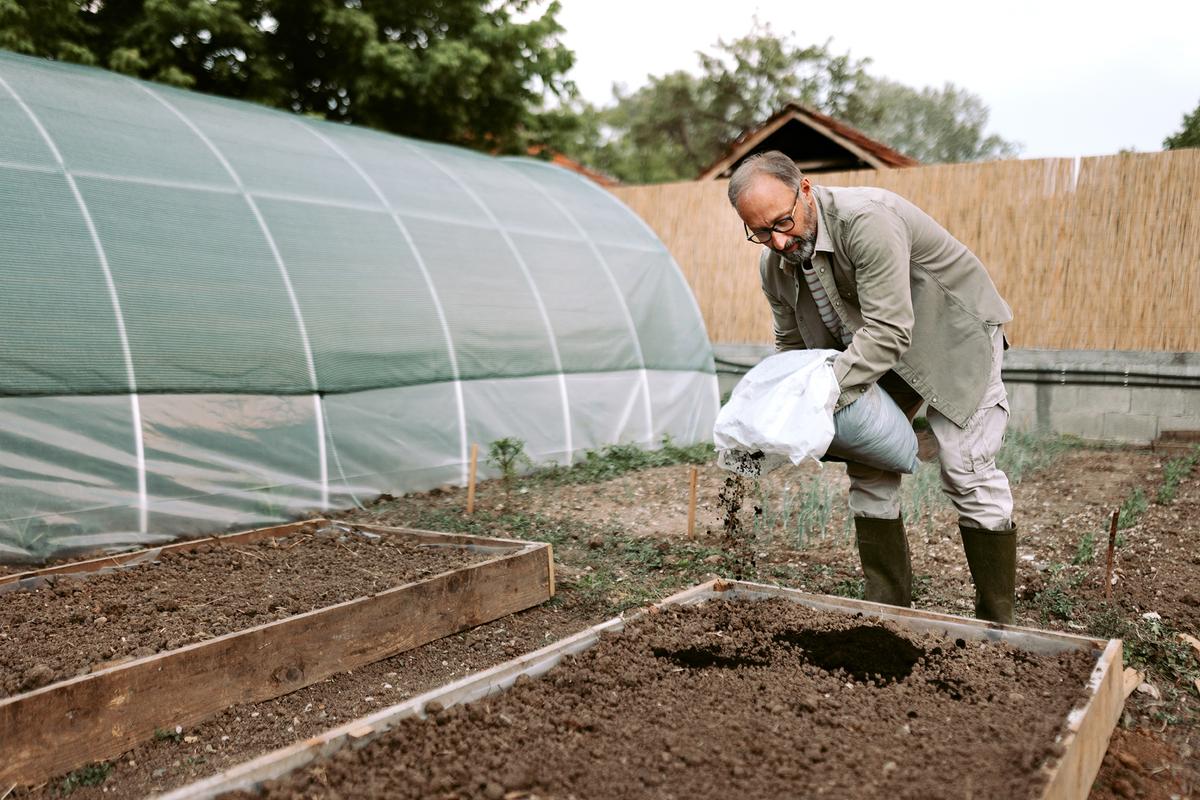
Organic fertilizer seems the “natural” choice, but it may not always be the best. Organics will build soil health, but the trade-off is they act slowly. Synthetic fertilizers offer fast-acting, visible results, but they can damage the soil over time and must be used only as instructed. They’re generally more affordable.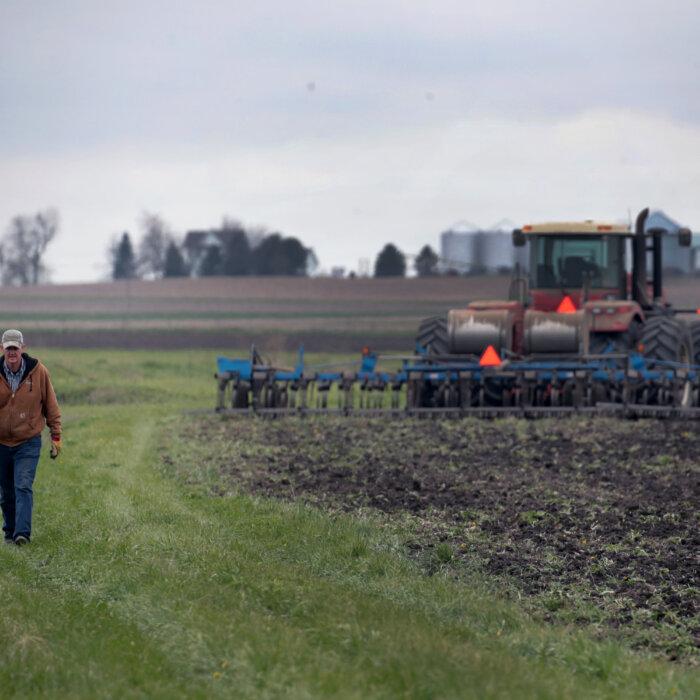
Grass Types
Grasses are divided into cool-season (fescue, Kentucky bluegrass, ryegrass) and warm-season (Bermuda, St. Augustine, zoysia, centipede). Warm-season types are the exception to the 50- to 55-degree F rule and are fertilized only when soil temps reach 65 degrees F.At the Store
Healthy lawns will benefit from a balanced fertilizer, while struggling turf may benefit from a high-nitrogen blend. Quality blends are designed for a specific grass type and category and go beyond NPK (nitrogen, phosphorus, and potassium) to include secondary macro- and micronutrients.If you have a mulching mower, lawn clipping can be left on the lawn for a no-cost organic boost during the mowing season.
Slow or quick release is your next decision. Slow-release formulas offer long-term nutrition and are less prone to lead to excess growth that requires maintenance. Quick-release formulas come in handy when a quick green-up is needed or for soils that are particularly nutrient-deficient.
Fabulous Flowers
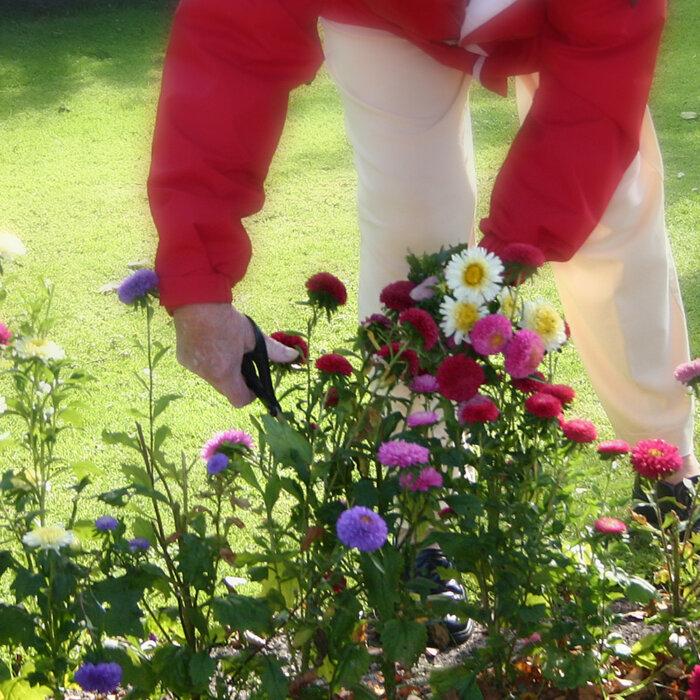
Perennial flowers are nature’s easy-maintenance joy. Feed them at the first sign of new growth in the spring with a granular slow-release or controlled-release fertilizer (also called “smart-release,” designed to feed for up to six months), then top with compost for additional nutrients and add mulch for water retention.Choose a bloom-boosting formula with a high phosphorus content, particularly if your soil is phosphorus-deficient. Liquid fertilizer is more budget-friendly but needs to be applied every week or two, or monthly, as directed. The exceptions are azaleas, rhododendrons, and lilacs, which are fertilized right after they have finished blooming. Fertilizing earlier can actually result in fewer flowers. Also, azaleas and rhododendrons need a fertilizer designed for acid-loving plants. You can pinch off spent flowers to encourage more blooms.
Trees and Shrubs
With the exception of fruit-bearing trees and shrubs, most others will not need annual fertilization after the first three to four years. Young ones will benefit from a slow-release 10-20-10 NPK with its higher phosphorus for vigorous root development, or other mixes designed for new trees. Afterward, a slow-release 10-10-10 fertilizer every two to three years should suffice.Make sure that holly, Colorado blue spruce, mountain ash, dogwood, sumac, and others that thrive in an acidic environment receive an “acid-lovers” blend.
Any concerns? Do a soil test with the local agricultural extension (often less than $15, plus shipping) to confirm that there is adequate NPK and to address any deficiencies.
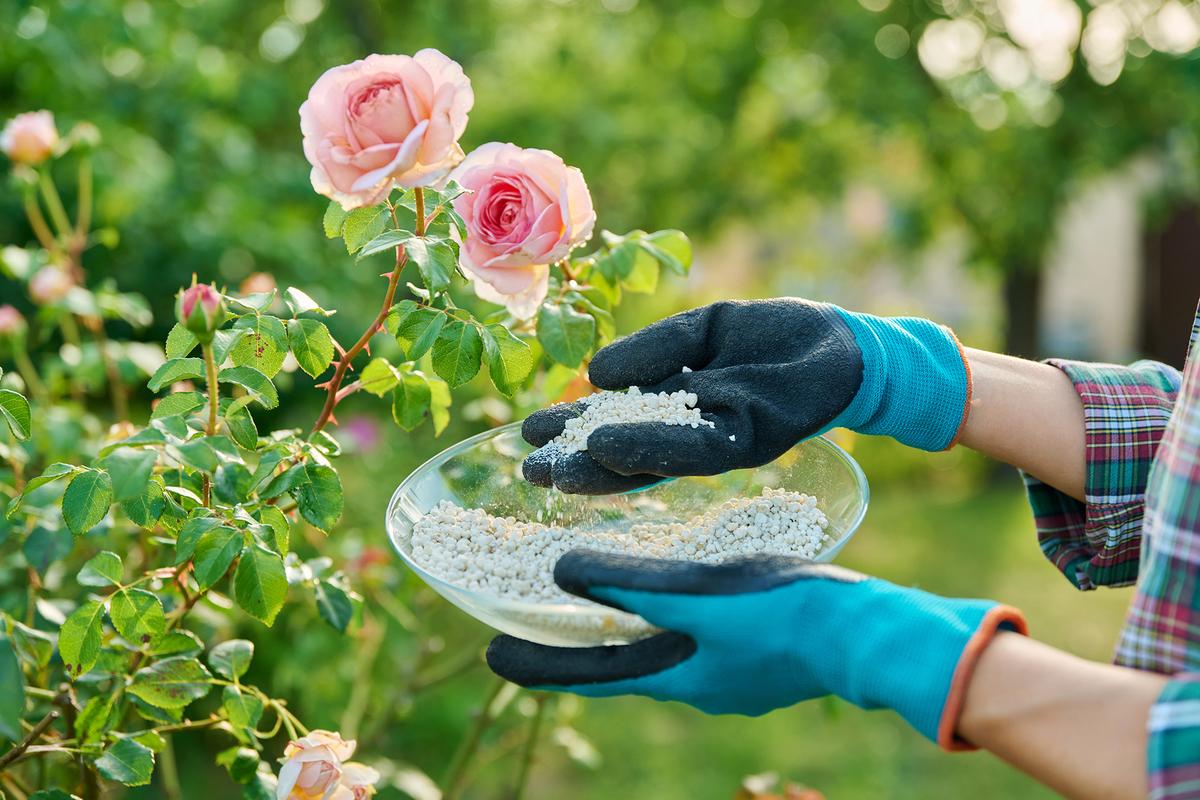
Fertilizing in early spring, when ground temperatures have warmed enough, allows the plants to use the nutrients most effectively, and promotes strong growth. Options include granular fertilizer, fertilizer spikes, liquid fertilizer, and fertigation (fertilizing through irrigation). Liquid fertilizer and fertigation both will have to be repeated periodically, as instructed, as they are not available in slow-release formulas.
Add some compost for additional nutrients, and top with mulch to retain moisture.