One of the biggest benefits of homemade bug repellents is that, unlike the commercial alternatives with their potentially harmful chemicals, a DIYer can control exactly what’s in them. In addition to being safer for one’s health, these eco-friendly alternatives are very effective against a wide range of insects, offer a variety of application methods, and are budget-friendly. Many are already at hand, and some, such as cinnamon, smell so good that they even add an aromatherapy aspect.
Cloves
Got some cloves left over from the Christmas ham? Place them, or some clove-filled sachets, in closets, cabinets, drawers, laundry rooms, and anywhere silverfish and ladybugs tend to infest. Cloves will also repel ants, weevils, moths, flies, and fleas. Their active ingredient, eugenol, is found in some flea and tick shampoos, but you should still keep cloves away from family pets that might find them toxic.Citrus Solution
Orange peels contain a potent combination of limonene and linalool as well as some natural tannins that flies and ants distinctly dislike. Rub used peels on windowsills and doorways. Soak several peels in a jar of white vinegar for 48 hours, then strain and put in a spray bottle for an effective bug-repelling cleaner.Some say citrus can be rubbed directly on your skin to repel mosquitoes, but please don’t—phytophotodermatitis, an extreme sunburn that happens when your skin is exposed to sunlight after touching citrus, can occur.
Planting citronella repels mosquitoes by masking the scents they find attractive. Lemongrass, lemon balm, lemon thyme, lemon eucalyptus, and bee balm work, too, with the added benefit of keeping critters away. Brush by or crush the leaves periodically to release more scent.

Onion Tears
Chop up or slice onions and place them on a small plate or leftover piece of aluminum foil near doorways, in basements and garages, and anywhere you want to be free of rats or lizards. Place them on a windowsill or in a cabinet to keep spiders away. To make a handy spray that repels flies and other pests, particularly around windows, doors, and garbage bins, chop up one medium onion, add it to a cup of water, blend, strain, and then pour into a spray bottle. Add a tablespoon of vinegar for added potency.Java as a Deterrent
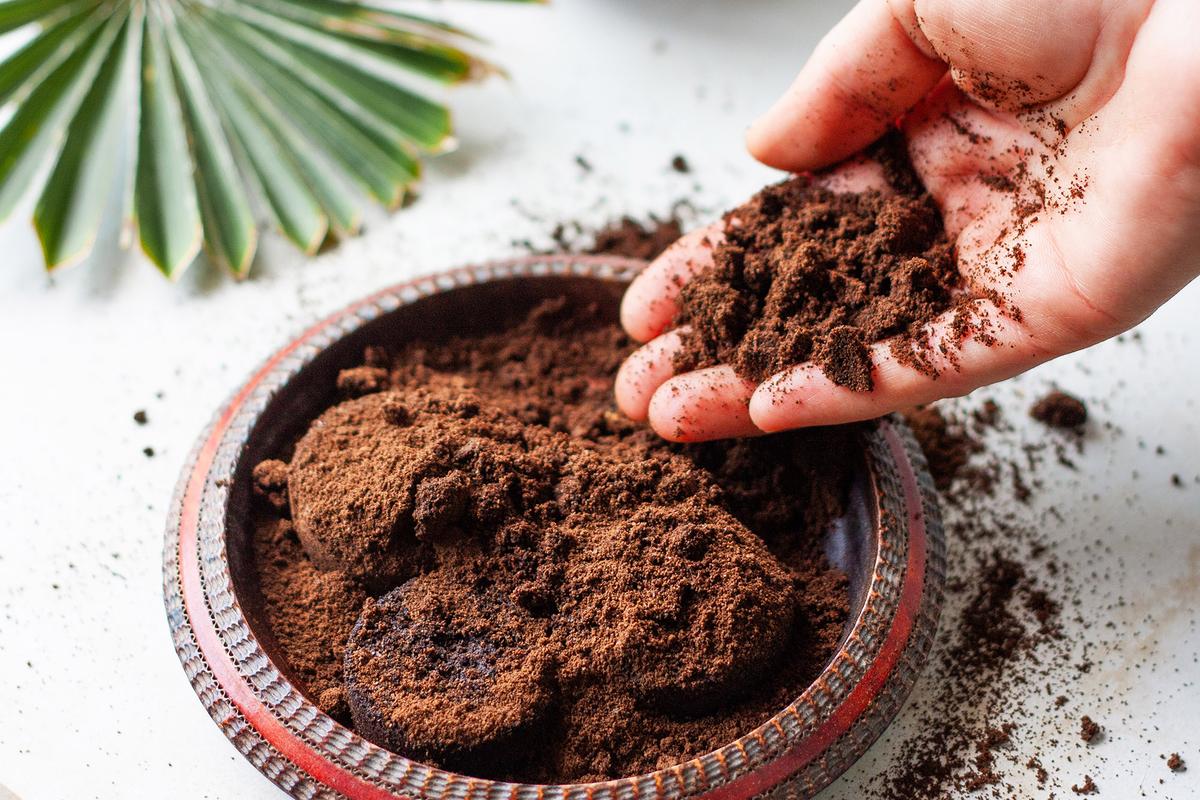
The caffeine in coffee grounds, along with its hormone-disrupting diterpenes (which help to prevent insects from eating coffee plants), will repel ants, flies, and mosquitoes, indoors and out. Sprinkle around or place in a ramekin in strategic locations, saving some to sprinkle in potted plants to keep ants away while also giving them an organic nitrogen boost. Burning used coffee grounds in an aluminum foil “bowl” will keep mosquitoes away outdoors while giving off an incense-like ambience.Before use: Always lay used grounds out on a baking sheet and sun-dry them for a few days, or bake the coffee grounds at 175 degrees Fahrenheit for one to two hours until they are completely dry.
The Roach Myth
Coffee grounds are often recommended as a roach treatment, but this is more effective: Lightly moisten and form equal parts of boric acid, flour, and sugar into tablets, or simply sprinkle them under appliances, behind cabinets, or into cracks in the walls.Meet Bay Leaves
Roaches positively loathe the scent of bay leaves with their natural insecticide, eucalyptol. Simply crush up some fresh or dried leaves and place them wherever insects are likely to enter the home and behind furniture to control roaches, spiders, ants, and silverfish.
The Vinegars
Wiping down ant trails with full-strength white vinegar to break up their pheromone path up a wall or across a floor is a tried and true technique to disrupt their activity both inside and outside the home. Another option is to place white vinegar in a bowl on a windowsill or counter or create a 50/50 mix of vinegar and water in a spray bottle. With either method, the strong scent will repel ants and spiders and can even kill soft-bodied insects such as gnats and fruit flies on contact.Got a bigger fly problem? Cover a small bowl of tasty apple cider vinegar with plastic wrap, then punch a few holes to create an inexpensive and efficient trap.