Leading up to the introduction of the federal budget next month, which ministers have said will carry a “substantial” deficit and “generational investments,” Ottawa has started announcing some of the new measures it will contain.
So far there’s been a heavy focus on bolstering security, whether through allocating more funds to hire 2,000 additional law enforcement personnel or to beef up security programs.
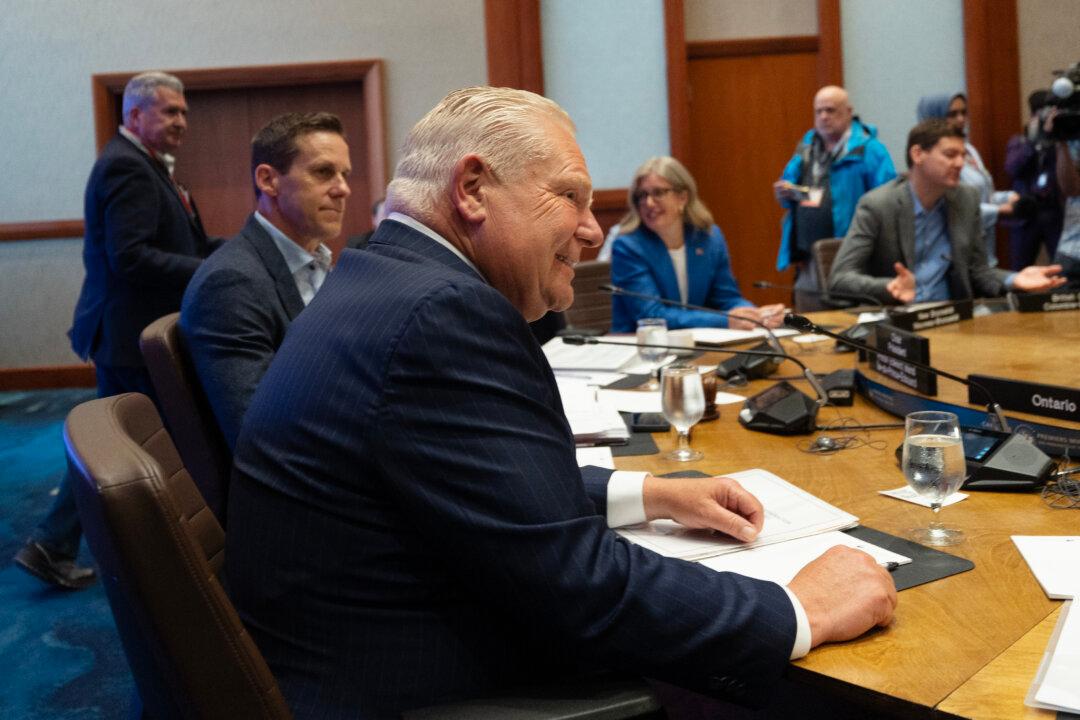
This is taking place as the Liberal government is seeking to improve border security with the United States, amid complex trade negotiations underway with the Trump administration. U.S. President Donald Trump’s baseline tariff on Canada, while carrying a free-trade exemption on most goods, is purported to be tied to border security issues.
Ottawa’s security focus also falls within a larger stated goal of making communities safer by reforming the judicial system.
The announcements in that area have not come as a surprise, given they were part of the Liberal Party’s election platform. Those include hiring 1,000 new RCMP personnel and 1,000 new officers with the Canada Border Services Agency (CBSA).
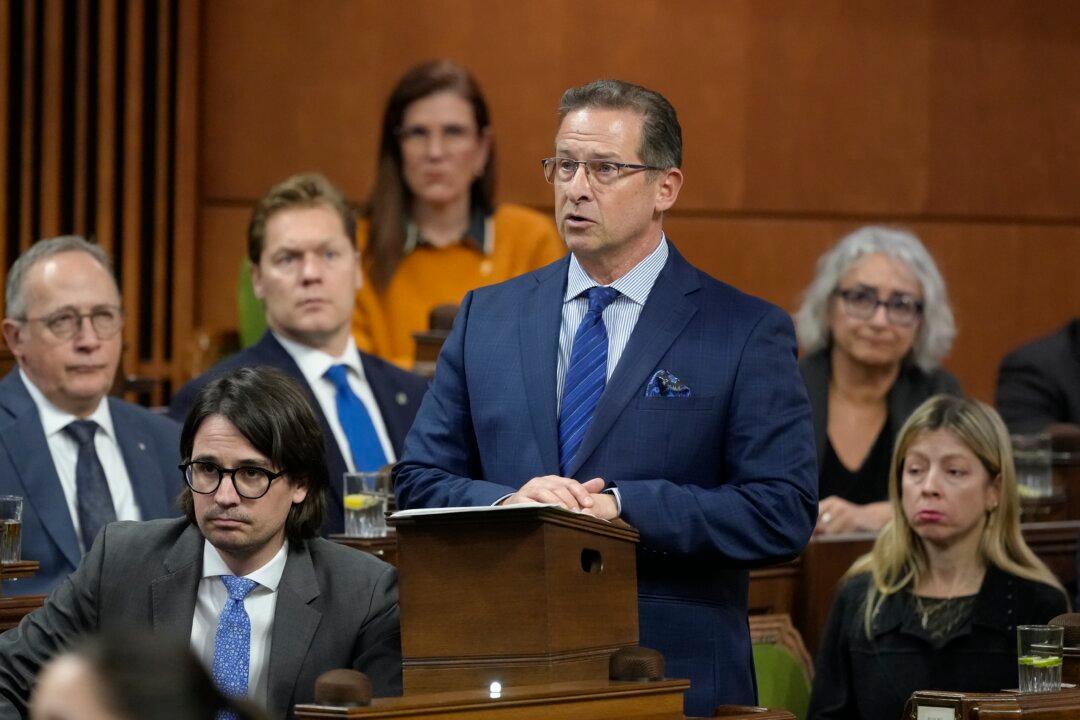
The Liberal government has come under pressure from opposition MPs in recent weeks, who have asked for progress on the hiring of those officers, as the pledge was made during the spring election campaign.
“How many officers have been hired so far? No one on the government side is able to answer that question,” said Bloc Québécois MP Maxime Blanchette-Joncas in the House of Commons in mid-September.
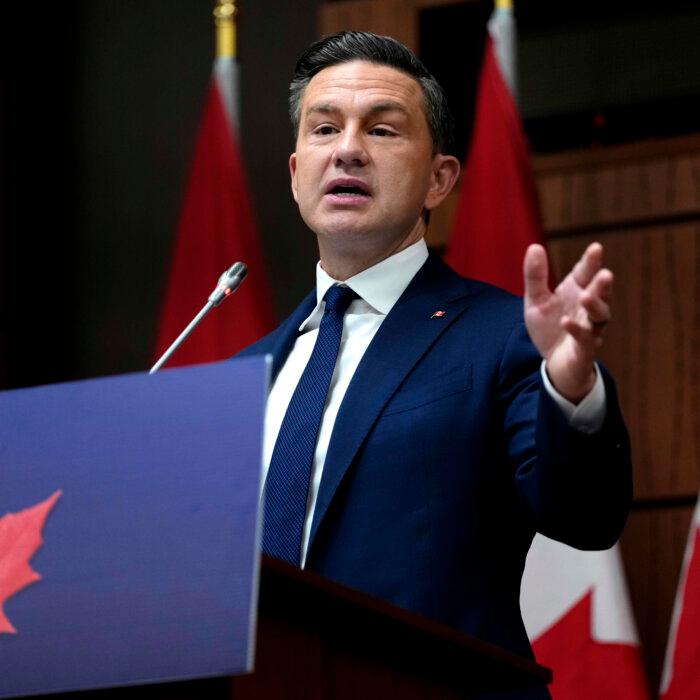
“Then you haven’t hired any of the 1,000 that have been promised. Is that correct?” asked Tory MP Frank Caputo.
New Officers
The government made its formal pledge to hire 1,000 new CBSA officers on Oct. 17. Public Safety Minister Gary Anandasangaree said $617.7 million will be allocated in the budget over five years to hire and train new border officers.New measures to attract and retain personnel will also include increasing the trainee weekly allowance from $125 to $525, and allowing those with 25 years of service to retire with a full pension.
Similarly for the RCMP, the campaign pledge included hiring 1,000 new personnel and increasing weekly pay for cadets. Police recruits currently earn $525 a week as they undergo six months of training in Regina, creating a burden for those with families or financial obligations.
The $1.8 billion figure announced is double what the Liberals had pledged to spend in the campaign on what they called “New RCMP operating investment.”
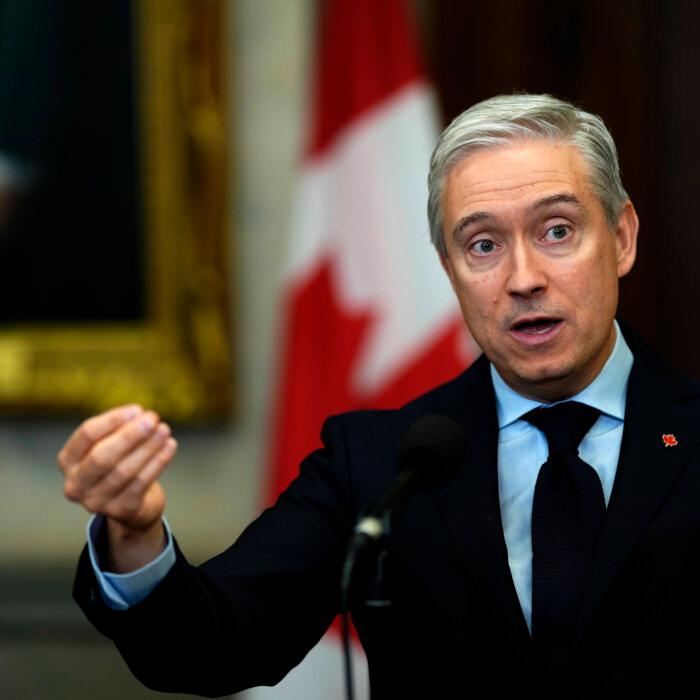
The latest budget announcement on security came on Oct. 20, with Finance Minister François-Philippe Champagne saying his government aims to launch a National Anti-Fraud Strategy.
Other Measures
Aside from the area of security, Prime Minister Mark Carney has unveiled other measures from his upcoming budget. All of them are related to campaign pledges, with one going a bit further.Ottawa had launched the Canada Strong Pass during the summer to make it free to visit national parks and museums, and provide discounts for travel by VIA Rail. Carney’s office said this led to increased visits, including 15 percent higher attendance in participating national museums. The Liberal costed platform had set aside $70 million for this measure.
Carney announced on Oct. 10 that the Canada Strong Pass will return for the holiday season and for summer 2026. No price tag was attached.
Budget 2025 will also propose to implement automatic tax filing for low-income Canadians.
The Bloc Québécois issued a list of 18 budget demands last week, saying six of those are “unavoidable” in gaining their support. It includes requests for additional funding to provinces for housing, infrastructure, and health care.
The NDP said it won’t be able to support a budget with austerity measures and instead wants to see major expenditures to support workers and businesses amid economic uncertainty.
The Parliamentary Budget Officer has projected a $68.5 billion deficit in the next fiscal year.
Ottawa has not discussed the deficit figure. Government House Leader Steven MacKinnon previously said the deficit would be “substantial.”