The tension in the Canada-U.S. bilateral relationship was on full display this week with media leaks and high-pitched messaging and testimony from top officials, with some U.S. officials suggesting that Mexico is ahead on its talks with Washington.
With few notable public developments on trade talks ahead of the July review of the Canada–United States–Mexico Agreement (CUSMA), there had been scant information on the progress of negotiations up to this week.
At the same time, Mexican President Claudia Sheinbaum held meetings this week with U.S. Trade Representative Jamieson Greer, who leads trade negotiations for the White House and reports directly to U.S. President Donald Trump. The two sides set a late May date to begin formal bilateral talks on CUSMA. There have been no similar developments on the Canadian side.
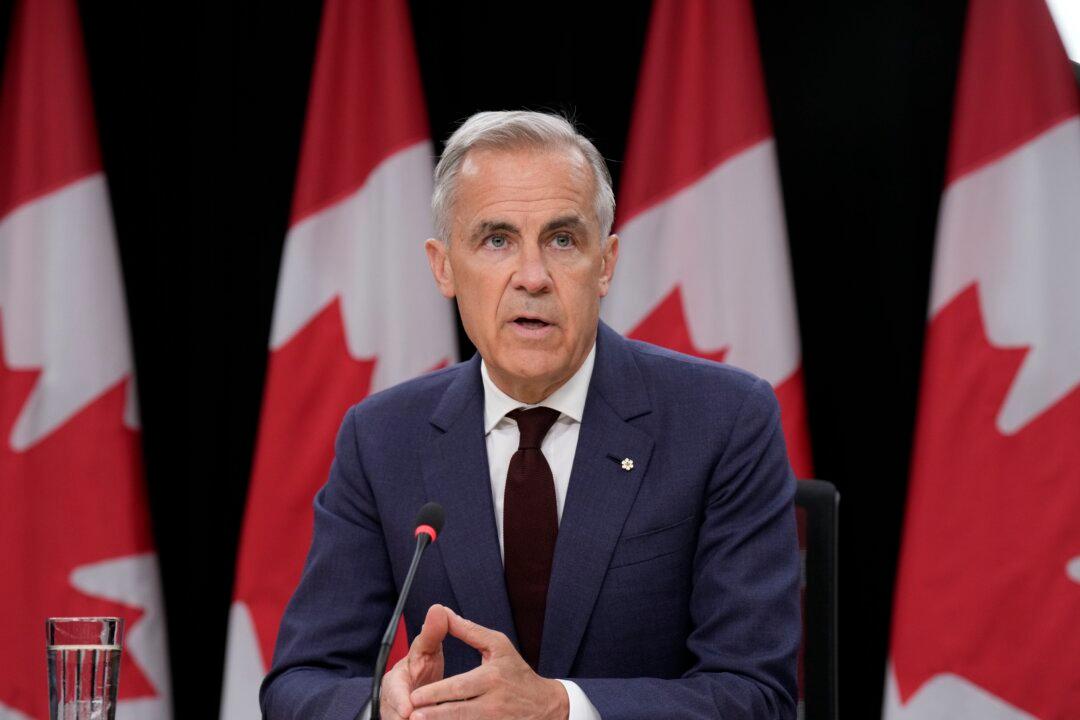
Later in the week, Carney said “things aren’t normal” in current relations and negotiations between Ottawa and Washington.


Economic Models
As Canada finds itself in limbo, the other CUSMA partner, Mexico, appears to be making gains in ironing out trade issues with the United States. The U.S. trade representative and his deputy separately expressed satisfaction with how Mexico is handling negotiations, while also taking shots at Canada.Ottawa, meanwhile, has sought to deepen ties with Beijing and is allowing an initial 49,000 Chinese EVs to come into the country at a preferential tariff rate, a deal White House officials have sharply criticized.
Greer said the Canadian and U.S. economic models “don’t fit together very well,” noting how Ottawa is pursuing greater “globalization” while Washington’s strategy aimed at correcting the “problems” of globalization.
Progress of Talks
From the declarations and meetings, it appears Mexico is ahead of Canada in trade talks with the United States, but some say it’s hard to gauge if that’s indeed the case since the public doesn’t have access to the details.Ed Fast, former international trade minister in the Harper government, noted that each side has its own negotiating strategy and approach.
“Prime Minister Carney has made it very clear that he’s quite willing to refocus Canada’s efforts on some of its more like-minded partners and allies, like the European Union, and has also indicated that while he is willing to engage with the United States and is ready to do so, he is not prepared to pay an entry fee,” Fast said.
“My fear is that Canada will again be left on the outside looking in, receiving a ‘take it or leave it offer’ from the Americans, because the Mexicans will have done their own deal behind our backs, like they did last time,” Fast said.
The United States and Mexico reached a preliminary deal without Canada in 2018 during the initial CUSMA negotiations, increasing the pressure on the Canadian government.
Amid the messaging this week from Canadian and U.S. officials, Fast said all the parties should “dial down the rhetoric.” He noted how Trump managed to turn many Canadians against America, something he “never expected to see,” while also saying Carney has gone too far pushing the trade diversification agenda.
“For us to send a signal that we feel that we can operate within the global marketplace without paying much attention to the United States would be a big, big mistake,” he said.

Different Issues
Eric Miller, president of Rideau Potomac Strategy Group, said that negotiations are proceeding differently for Canada and Mexico because they are “facing a radically different set of issues.”The two countries have different economic makeups, with Mexico being more labour-based and having millions of jobs tied to access to the United States market, Miller said. This has made Mexico more eager to strike a deal and more amenable to accepting U.S. conditions.
He said the political conditions in Canada, where Carney was elected on a pledge of standing up to Trump, make it harder for Ottawa to show flexibility.
Some of the trade irritants identified by Washington, such as supply management or broadcasting and French language rules, are not points that Ottawa is willing to easily do away with, given the political climate in Canada.
“There are just a whole series of entrenched, complicated dynamics that are at play in the negotiations with Canada and the U.S.,” Miller said.
The target date for the review of CUSMA is July 1. However, Canada’s chief trade negotiator to the United States Janice Charette said this week that it’s unlikely issues will be resolved by then.