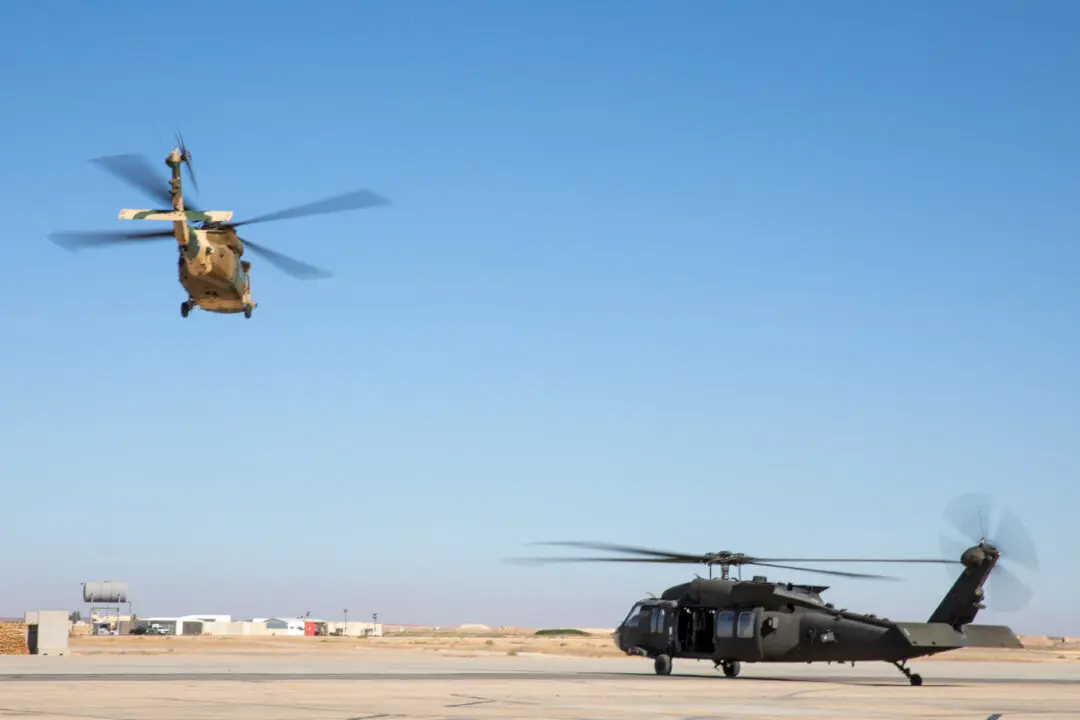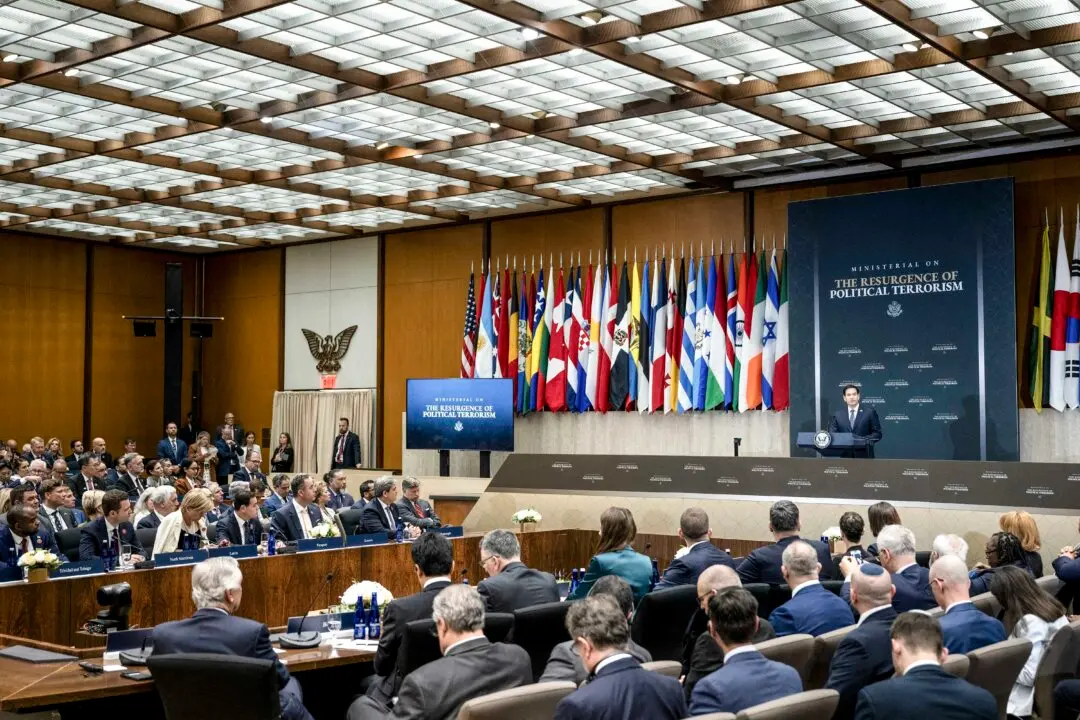
At President Donald Trump’s direction, U.S. forces launched a new wave of strikes at Iran on July 18, in what U.S. Central Command (CENTCOM) described as an answer to Iranian strikes on Jordan on July 17, which killed two U.S. troops and injured several others.
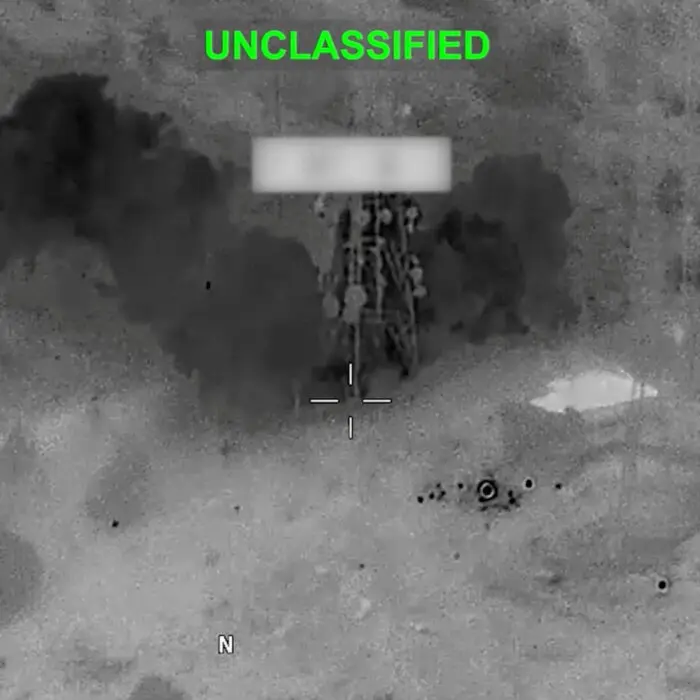
“Today at 6 p.m. ET, U.S. forces began launching new airstrikes against Iran at the Commander in Chief’s direction,” CENTCOM announced in a statement.
“The strikes are designed to further degrade Iran’s ability to threaten commercial shipping in the Strait of Hormuz and swiftly punish Islamic Revolutionary Guard Corps forces who launched attacks against American service members in Jordan last night.”
Saturday’s strikes mark the eighth consecutive day of U.S. combat operations against Iran.
Iranian forces have responded with attacks targeting countries across the Middle East that have hosted U.S. forces.
CENTCOM said U.S. and partner forces were defending against Iranian ballistic missile and drone attacks on July 17 when the two U.S. troops were killed. Another U.S. service member has been missing since the attack.
Four more U.S. troops were hospitalized in Jordan as a result of their injuries but have since been discharged, according to CENTCOM. Other personnel sustained lesser injuries as a result of the Iranian strikes.
Since the conflict with Iran began at the end of February, 16 U.S. troops have been killed and more than 400 have sustained injuries.
The most recent days of fighting follow the collapse of a peace framework that Washington and Tehran agreed to in June. The deal faltered as Iran continued to vie for control over traffic in the Strait of Hormuz.
Trump responded to those attacks on shipping by ordering responsive strikes on Iran.
Tehran then declared the waterway closed “until the United States ends its intervention in the region.”
Following the Iranian order to close the strait, Trump directed U.S. forces to resume attacks on Iran. Since then, U.S. forces have struck Iranian targets daily, with recent operations targeting bridges and power plants.
Kuwaiti authorities have reported that recent Iranian strikes have also begun targeting desalination plants, which are a critical source of drinking water for the region.
On Saturday, Iranian authorities said a U.S. strike also targeted a desalination plant near the Iranian city of Jask.