Lebanese President Joseph Aoun departed Beirut on July 18 en route to Washington for meetings to advance peace efforts along the Israel–Lebanon border.
In a statement, Aoun’s office said he is expecting to attend a bilateral summit at the White House. Aoun’s office said he also anticipates meeting with U.S. officials to discuss “the possible means to consolidate the ceasefire, restore security and stability to Lebanon in general and the south in particular, the withdrawal of Israel from the Lebanese areas it occupies, and the extension of the state’s authority over all areas.”
Hezbollah was formed in the 1980s in opposition to an Israeli occupation of southern Lebanon that concluded in 2000. Hezbollah and Israeli forces have continued to clash in the years since then.
Following the Oct. 7, 2023, Hamas terrorist attack on southern Israel, Hezbollah launched new attacks on northern Israeli territories. Fighting along the Israel–Lebanon border intensified thereafter.
Israeli forces reentered southern Lebanon in October 2024.
In January 2025, Israeli Prime Minister Benjamin Netanyahu directed Israeli forces to remain in southern Lebanon beyond the 60-day window laid out in the 2024 ceasefire, saying the Lebanese government had not fully upheld its end of the agreement to secure the border region.
After U.S. and Israeli forces commenced attacks on Iran earlier this year, Hezbollah began targeting Israel with new rocket and drone attacks, setting off new rounds of fighting across Lebanon.
The latest ceasefire agreement calls for the formation of pilot zones within southern Lebanon, over which Israeli forces will transfer control to the Lebanese government. The Lebanese government, in turn, is to proceed with disarming Hezbollah.
Efforts are ongoing to implement the new ceasefire.
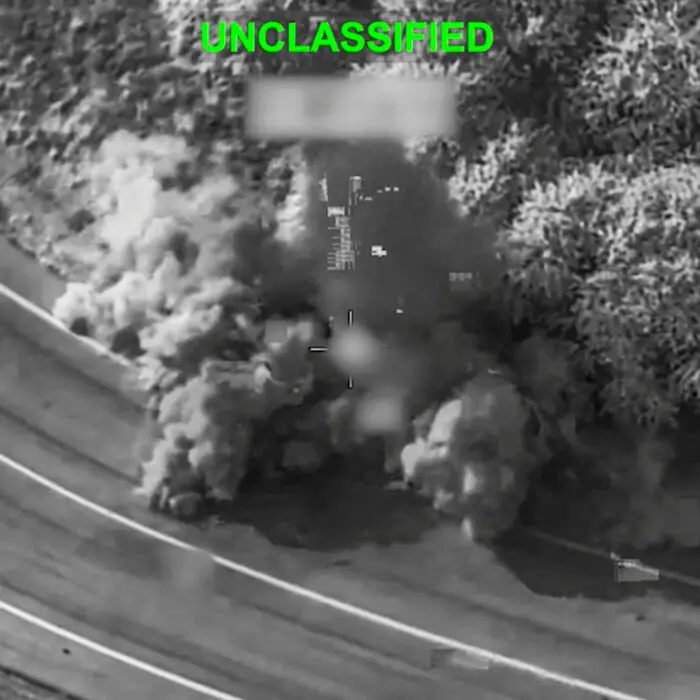
Since the start of the new deal, Israeli forces have repeatedly reported firing on individuals they identified as Hezbollah members.
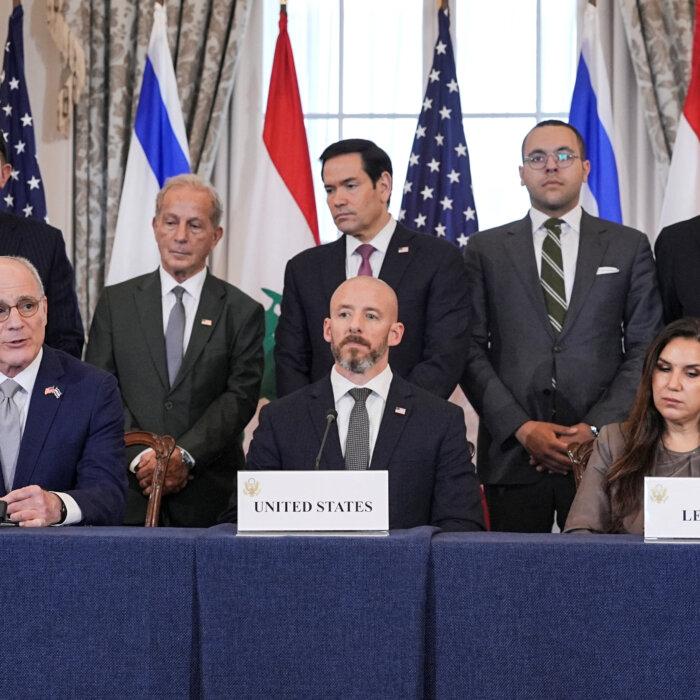
Israeli and Lebanese government representatives held a round of U.S.-brokered talks in Italy this week to discuss the formation of the first pilot zones, but details of the plan are still in the works.
Hezbollah and its supporters within Lebanon’s parliament have signaled opposition to being disarmed.