U.S. forces have redirected 53 vessels since reimposing a blockade on maritime trade with Iran last month, the U.S. Central Command (CENTCOM) announced on Aug. 8.
President Donald Trump initially directed U.S. forces to block and redirect ships trading with Iran in April, but halted that effort after entering into a peace framework with Iran in June. By July, that peace framework collapsed, and Trump ordered U.S. forces to restart the blockade on July 14.
Since then, aside from diverting 53 vessels, U.S. forces have boarded two commercial vessels and employed disabling fire against two other ships.
“The U.S. military has also permitted more than 30 ships to pass through the blockade for humanitarian aid,” CENTCOM said in its operational update on Saturday.
Commercial ship operators in the Middle East have faced disruptions for months.
After U.S. and Israeli forces commenced strikes on Iran on Feb. 28, Iranian forces began attacking commercial ships in the Strait of Hormuz, in an effort to constrict a key passageway for oceangoing oil, natural gas, and other global commodities.
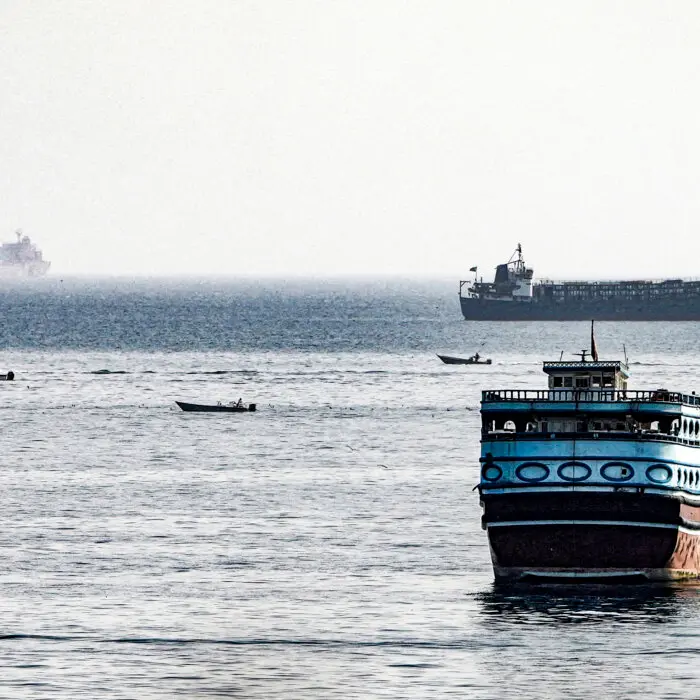
Since the armed standoff began, Tehran has also pressed for increased administrative authority over traffic through the Strait of Hormuz.
Among other terms, the June peace framework called for Iran to ensure toll-free transit of the strait for 60 days, and coordinate with Oman and other neighboring states to coordinate the long-term administration of the waterway. Within weeks of entering that peace framework, Iranian forces renewed attacks on ships it said were using unauthorized routes to transit the strait, prompting retaliatory U.S. strikes and precipitating the collapse of the June deal.
This week, Iran has described renewed discussions with Oman to address the long-term administration of the Strait of Hormuz.
In an interview with Fox News on Aug. 8, Vice President JD Vance said Iranian intermediaries have told U.S. officials they are not seeking to impose a toll on the Strait of Hormuz.
“They’ve told us they have no plans to toll the Strait of Hormuz, but again, we’re going to see what actions actually happen,” Vance said.