Decades-old treaty negotiations are approaching completion in British Columbia as recent court decisions alter the landscape for longstanding indigenous land claims.
The developments are drawing renewed attention to the main avenues for resolving such claims—treaty negotiations, agreements outside the treaty process, and court proceedings—and the implications each can have for land ownership in the province.
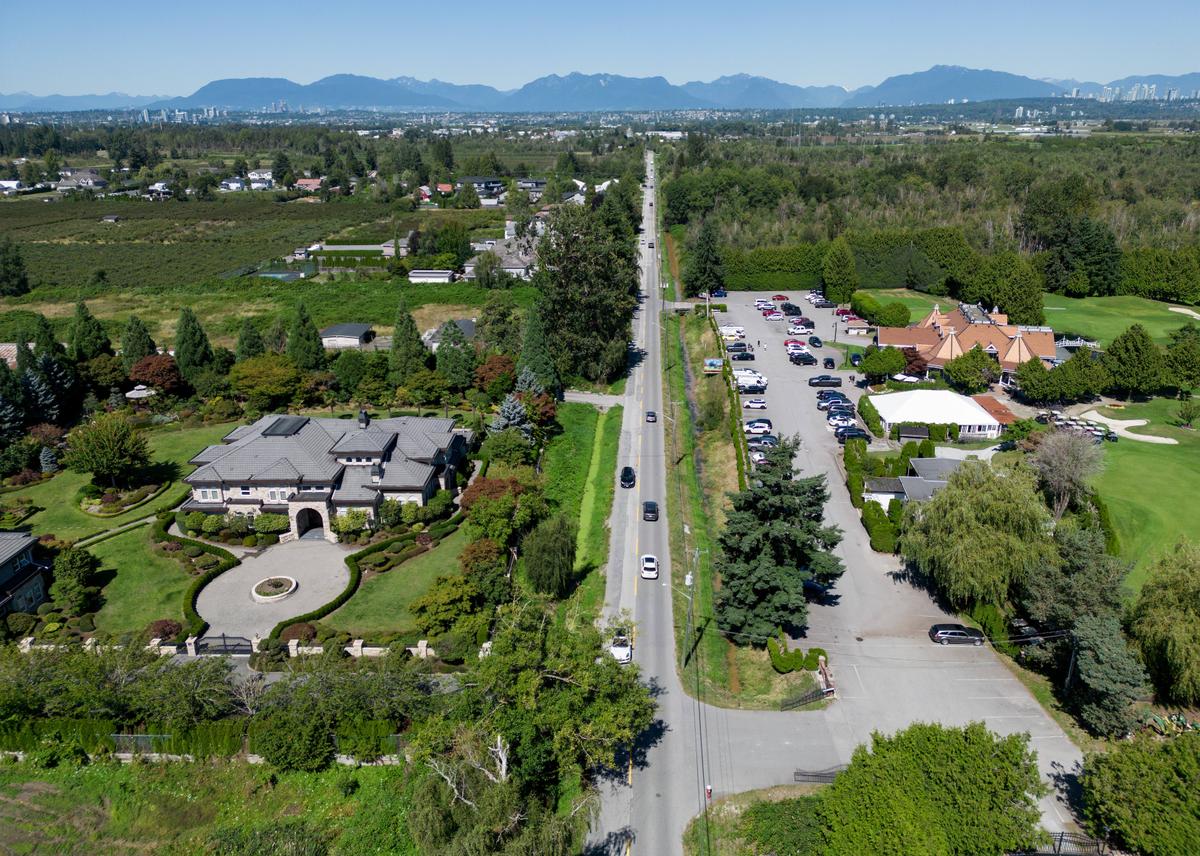
Meanwhile, last year’s landmark Cowichan decision granted the Cowichan Tribes Aboriginal title over about 800 acres in Richmond, B.C., while further land transfers and uncertainties over mineral rights in other cases have been sources of contention.
The extent of further Crown land transfers remains disputed, with the B.C. government rejecting opposition claims that large-scale transfers have been kept from the public.
Vancouver lawyer Paul Seaman said the range of avenues available for resolving Aboriginal land claims has added complexity to the issue.
How Much Is at Stake?
While no reliable percentage or land-size figure exists for how much of B.C. could be affected if all outstanding indigenous land claims succeed, unresolved land status involving indigenous peoples covers most of the province.While many indigenous peoples and First Nations in the Prairies negotiated treaties historically, most of B.C. had no such treaties.
Treaties
Modern treaties in B.C. generally involve negotiations between a First Nation, the province, and the federal government over land, governance rights, resources and potential financial compensation.They haven’t involved governments expropriating privately owned fee-simple land for transfer to First Nations, and the B.C. Treaty Commission says private property is not up for negotiation except on a willing-buyer, willing-seller basis.
The Legal Route
First Nations can also seek a declaration of aboriginal title through the courts.The decision granted aboriginal title over 201 square kilometres of Nootka Island after overturning key portions of a trial judgment. The trial took fewer than 60 days.
Lawyer Jared Enns with Cassels law firm said lengthy treaty processes could make litigation more attractive to First Nations seeking faster resolution.
“If you’re going to get something better out of the litigation process, what’s the point of … going through the treaty negotiation process?” Enns said. “It’s a risk that the courts have been aware of.”
Enns said it’s not clear that First Nations are broadly preferring court battles over negotiations, but noted that treaties often require concessions, whereas courts seem to be taking a more expansive approach to remedies, which he said risks making litigation a more attractive option.
Seaman echoed this sentiment.
“Given those types of efficiencies and the quite frankly glacial pace of the treaty process, it seems at least possible to me that one outcome of that decision could be a renewed focus on litigating title in the courts,” he said.
Non-Treaty Agreements
The third major approach taken by First Nations in B.C. is to seek a non-treaty agreement with the provincial and federal governments, as in the case of the Haida Nation’s 2024 Title Lands Agreement.Rather than pursuing a modern treaty, B.C. reached an agreement with the Haida Nation recognizing its aboriginal title throughout Haida Gwaii and providing for a gradual switchover of land, governance, and infrastructure to Haida Nation control, while keeping existing private property rights in place.
Vancouver lawyer Mac Hayden also with Cassels law firm said seeking title via agreement avoids the costs of litigation, but can leave the public feeling it has no seat at the table, and can create a perceived lack of transparency.
Aboriginal Title Vs. Fee Simple Title
A major source of tension in recent years has been the overlap between Aboriginal title claims and privately held land under fee simple ownership.The B.C. Supreme Court’s decision in the Cowichan Tribes case in 2025 involved a highly developed urban area including Crown, municipal, and private land.
Although the Cowichan were granted aboriginal title over an area that includes privately owned fee-simple land, they have emphasized that they are not seeking to recover those private properties through the litigation. However, residents, businesses, and municipal officials have said the ruling has created uncertainty.
Hayden said his firm considers the court’s finding that aboriginal title and fee simple can coexist legally erroneous and contradictory.
“At the highest level, you have to look at what aboriginal title is, which is an exclusive possessory right in land that’s constitutionally protected, and you have fee simple owners in Richmond who have an exclusive right to their land through their fee simple grants,” he said. The “biggest legal conflict here is that you can’t have two exclusive possessory rights to land.”
B.C. and the federal government have both appealed the decision, but Best said its impact extends well beyond the Richmond area where aboriginal title was granted.
“Cowichan’s impact extends to every nook and cranny of British Columbia not covered by a land surrender treaty, which is basically all of B.C. except the north-east part of it,” he said. “It also extends to every other part of Canada not clearly covered by a land surrender treaty.”
Balancing Rights and Public Interest
Michael Coyle, an associate professor at Western University’s Faculty of Law who specializes in indigenous law, says that aboriginal title claims are rooted in indigenous peoples’ longstanding property rights, but the country faces a challenge to “correct past injustices without creating new injustices going forward.”“We need to find a solution that is as just as possible to everybody who is affected,” he said.
Best said the public hasn’t been given a real say over the matter and is pushing to repeal Section 35 itself.
“In my view aboriginal title economically, politically, and socially balkanizes and weakens Canada,” he said.
Enns said the Crown is responsible for balancing aboriginal rights with the public interest, but has at times fallen short, particularly when it could have raised infringement or extinguishment as a legitimate defence against Aboriginal title but chose not to.
“I think it’s an abdication of the Crown’s responsibility, which is to govern in the broader public interest,” Enns said.
“Negotiated agreements strengthen relationships and resolve disputes in a balanced way that respects the rights of Indigenous Peoples and all Canadians,” Ottawa says.