The House Public Safety and National Security Committee has unanimously committed to spend three meetings studying Canada’s security-screening processes, including whether any “red flags” were missed in the case of a Canadian national who interned at NATO in Belgium and was recently arrested on espionage charges.
The motion was introduced by Tory MP Dane Lloyd and proposed at least six meetings to be held beginning within 10 days.
However, Liberals on the committee said scheduling and flexibility along with not knowing where the study would lead made six too many, leading to a compromise of holding three meetings “on a priority basis.”
The committee will hold the hearings in order to report recommendations and conclusions to the House of Commons.
The unnamed Canadian national was arrested July 24 following a search of her home and place of work at NATO’s Supreme Headquarters Allied Powers Europe (SHAPE) military headquarters in Mons, Belgium, according to the Belgian prosecutor’s office.
The prosecutor’s office described the suspect as being of “Chinese origin” and charged her with espionage on behalf of a “third country” and membership in an unspecified criminal organization. She was denied bail on July 28 and continues to be held in pretrial detention, with no charges against her having yet been tested in court.
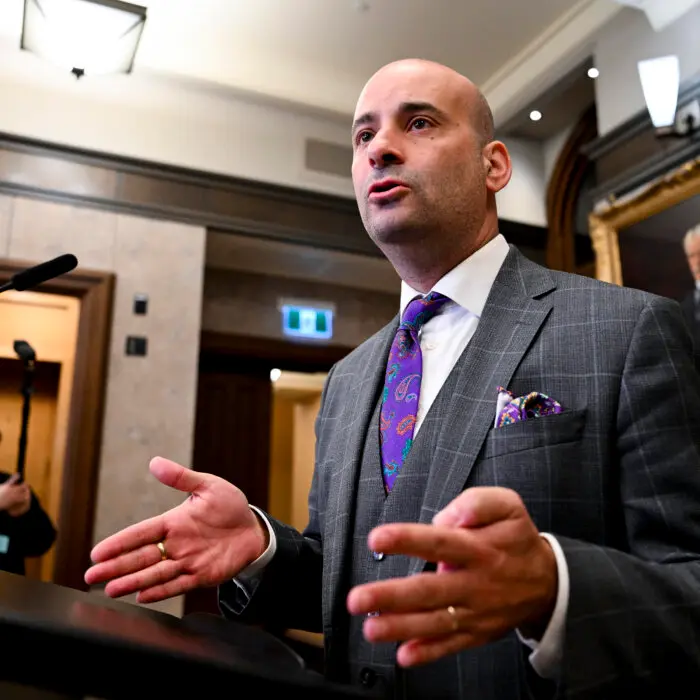

Online work profile data appearing to belong to the suspect lists past work experience at Statistics Canada, the National Research Council of Canada, and the Canadian Space Agency. Public Safety Minister Gary Anandasangaree has said the government will be looking into the extent of her possible work with Canadian government agencies.
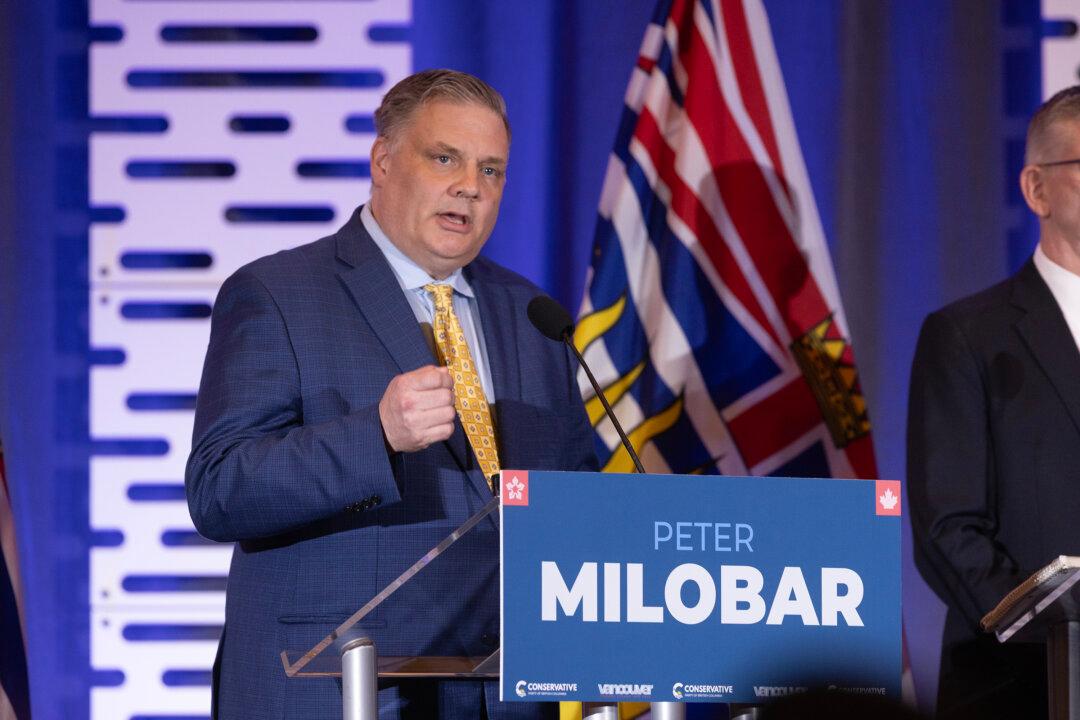
For his part, Lloyd said the committee’s upcoming study is necessary to safeguard national security.
“Ensuring that our national security agencies are using the appropriate tools and taking the appropriate action in order to clear and screen people who are being given positions where they would have access to state secrets and top secret material or material from our allies is of critical importance,” Lloyd said at the Aug. 17 meeting in Ottawa.
Liberal MP Jacques Ramsay, who also serves as parliamentary secretary to Anandasangaree, said he is hesitant about looking into the specific case of the Canadian intern since the investigation by Belgian authorities is still taking place.
However, he ultimately agreed to holding the three-meeting probe if it will “look into the security screening process in Canada as a whole.”
Bloc Québécois MP Sébastien Lemire also vocalized his support for the necessity of the study.
“This is an important issue, a very sensitive topic,” Lemire said in French. “We’re talking about international security, and we can focus on shortcomings, and we have to.”
“I think it’s quite embarrassing that Canada is facing allegations like this multiple times,” he said. “I think it undermines our reputation amongst our allies.”
Documents released in 2024 showed that the Canadian Security Intelligence Service had found undeclared ties between Chinese state agencies and Qiu as well as sharing of classified information. No criminal charges were ever filed.
Investigators also found material connected to two Chinese diplomats on Ortis’s computer, although this was not related to his charges or conviction.
Conservative MP Rhonda Kirkland echoed Lloyd’s concerns, saying MPs need to find out for certain what security checks were done before the NATO intern was cleared for that position by Canadian authorities.
“Canadians deserve to know what security screening, for instance, was conducted before this individual was granted access to one of the world’s most sensitive military institutions,” Kirkland said.
“I find it especially concerning that the Belgian authorities, following concerns raised by NATO security, ultimately made the arrest. Canadians need to know whether our own institution missed warning signs or red flags.”
“GAC officials are prepared to provide consular services and are in contact with local authorities,” GAC wrote in a July 28 email to The Epoch Times.
“Draw your own conclusions,” Carney added.