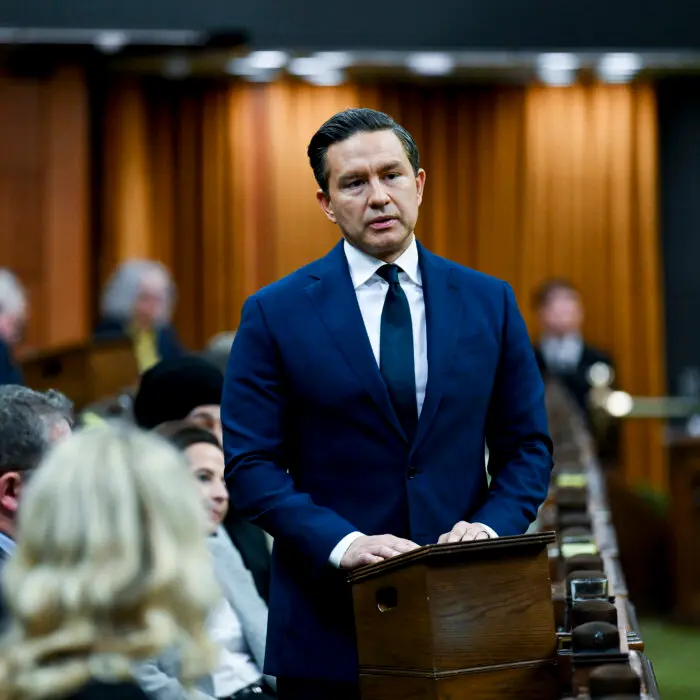
Conservative Leader Pierre Poilievre is once again urging Ottawa to scrap the upcoming fuel excise tax hike in September, and this time also to suspend all federal gas taxes until next summer.
“That’s why Conservatives are calling on the Carney Liberals to cancel their September gas-tax hike and eliminate all gas taxes from now until at least Canada Day,” he said, specifically calling for the suspension of the fuel excise tax and the GST on gas and diesel, as well as the permanent elimination of the clean fuel standard and industrial carbon tax.
Speaking to reporters, the Tory leader said Canadians pay about 20 cents more per litre for gas than Americans do, citing federal taxes, a weaker Canadian dollar, and government red tape. At the time of the press conference, he said, gas prices in Vancouver had reached $2.03 per litre, one of the highest prices in any jurisdiction in North America.
Poilievre said the move would save Canadian families approximately 25 cents per litre, $20 per fill-up, and “about $1,000 between now and Canada Day.”
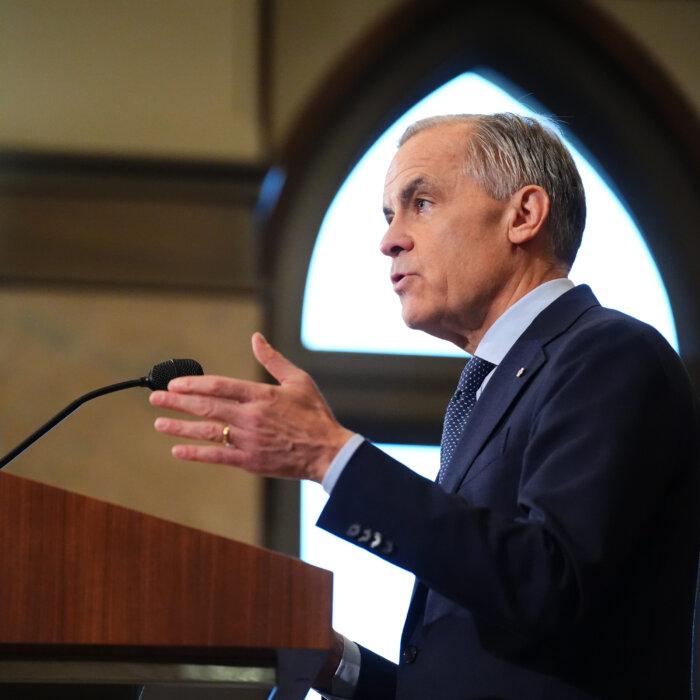
Five days later, on April 20, the Liberal government suspended the federal fuel excise tax on gasoline, diesel, and aviation fuel across Canada until Sept. 7. At the time, the government said the move was expected to reduce Canadians’ bills at the gas station by 10 cents per litre on regular gasoline and 4 cents on diesel.
The suspension of the gas tax came in response to the U.S.-Iran war that began in late February, which led to Tehran virtually closing the Strait of Hormuz, a waterway through which around 20 percent of global oil and gas supplies travel. The start of the conflict led oil prices to surge from US$70 to over US$100.
Oil prices fell in June after the United States and Iran implemented a ceasefire and signed a memorandum of understanding to begin negotiations to fully end the war. But the agreement broke down in July and the conflict resumed, leading to oil prices rising once again.
According to the think tank, fossil fuels accounted for 76.3 percent of Canada’s total energy use in 2024, compared with 76.7 percent in 1995. As well, natural gas comprised 37.6 percent of Canadian energy usage in 2024, while refined petroleum products like gas and diesel made up 35.7 percent. Remaining sources such as hydro, nuclear and other renewable energy sources added up to 23.7 percent.
“The suspension, which is due to expire in one month after September 7, has provided much-needed relief to people struggling with the rising cost of living and ongoing economic uncertainty caused by U.S. tariffs,” Ford wrote in his letter, posted on social media that same day.
“If the price of gas increases, higher transportation costs will be passed on to consumers in nearly everything they purchase.”